

Is Black Steel Pipe For Gas Line The Optimal Choice For Neptun Deep Project In The Black Sea
Neptun Deep Begins Installation of Underwater Gas Pipeline in the Black Sea
The Neptun Deep project marks a defining moment in offshore energy development for the Black Sea region. It combines deepwater engineering with advanced material science to deliver a reliable gas supply route that supports energy independence across Eastern Europe. Among various materials under evaluation, black steel pipe for gas line applications emerges as a cost-efficient yet technically demanding choice. When properly coated and integrated with modern monitoring systems, it can sustain high-pressure conditions while maintaining long-term durability in corrosive marine environments.
Overview of the Neptun Deep Project in the Black Sea
The Neptun Deep development is not just another offshore venture; it represents Romania’s strategic leap toward regional energy autonomy. The project’s offshore infrastructure design demands precision and foresight, given its exposure to the Black Sea’s challenging conditions.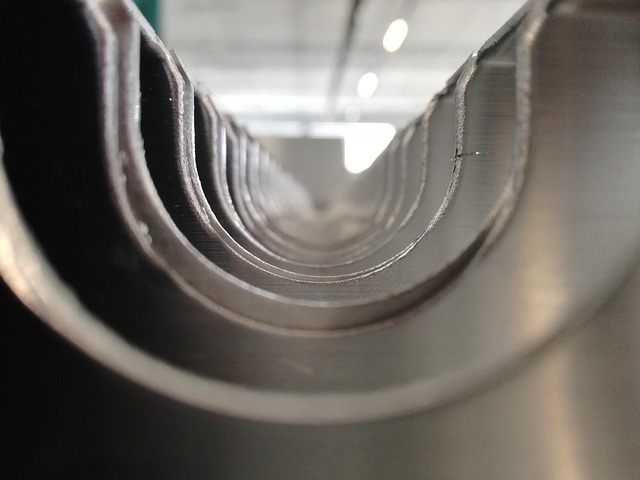
Strategic Importance of the Neptun Deep Development
The project strengthens Europe’s energy security by reducing reliance on imported gas and diversifying supply routes through subsea infrastructure. Its offshore location allows direct access to substantial reserves, reinforcing both national and regional energy strategies. The infrastructure design—spanning subsea pipelines, platforms, and control systems—must therefore guarantee operational reliability for decades.
Technical Challenges of Offshore Gas Pipeline Installation
Deepwater installation subjects pipelines to extreme hydrostatic pressure and temperature fluctuations. In addition, saline environments accelerate corrosion processes that can compromise structural integrity if left unmanaged. Engineers must also address seabed movement caused by sediment shifts or undercurrents, which can impose mechanical stress on joints and anchors over time.
Material Selection Criteria for Offshore Gas Pipelines
Selecting suitable materials for subsea pipelines involves balancing strength, corrosion resistance, and cost efficiency. For projects like Neptun Deep, where maintenance access is limited, material performance directly affects lifecycle economics.
Core Requirements for Subsea Pipeline Materials
Subsea pipelines must exhibit high tensile strength to resist crushing forces at depths exceeding 1,000 meters. Corrosion resistance against seawater and hydrogen sulfide exposure is essential to prevent leaks or ruptures. Additionally, compatibility with welding processes, protective coatings, and cathodic protection systems ensures seamless integration during fabrication and installation.
Evaluating Material Options for Subsea Applications
Carbon steel remains widely used due to its balance between mechanical strength and affordability. Stainless steel offers superior corrosion resistance but at significantly higher cost levels. Composite materials provide lightweight alternatives but may struggle under deepwater pressure. Therefore, engineers often perform lifecycle cost analyses to determine which combination offers optimal performance within budget constraints.
Characteristics of Black Steel Pipe for Gas Line Applications
Black steel pipe has long been favored in gas transmission networks due to its mechanical robustness and adaptability to protective treatments. However, its uncoated form requires additional measures when deployed offshore.
Mechanical Properties Relevant to Offshore Use
Black steel pipes deliver solid structural integrity capable of handling high internal pressures typical of deepwater gas transport. Their inherent toughness allows them to endure bending stresses during pipe-laying operations without significant deformation. Properly designed joints minimize leakage risks even under dynamic loading from currents or vessel movements.
Corrosion Resistance and Protective Measures
Uncoated black steel is susceptible to oxidation when exposed to seawater or humid air. To extend service life offshore, engineers apply fusion-bonded epoxy (FBE), polyethylene coatings, or multilayer barrier systems that isolate metal surfaces from corrosive agents. When combined with cathodic protection—typically through sacrificial anodes—the system forms an effective electrochemical defense against corrosion progression.
Comparative Analysis: Black Steel vs Alternative Materials
Each pipeline material presents trade-offs between performance attributes and financial impact. For large-scale developments like Neptun Deep, these trade-offs influence not only initial investment but also long-term maintenance planning.
Black Steel vs Carbon Steel with Internal Coatings
Internally coated carbon steel resists internal corrosion better than bare black steel but adds complexity during fabrication and inspection. Black steel remains attractive when paired with external coatings since it simplifies manufacturing while maintaining sufficient protection through external barriers and cathodic systems.
Black Steel vs Stainless Steel Alloys
Stainless steels outperform black steel in terms of corrosion immunity but are several times more expensive per meter of pipeline length. For extensive networks covering hundreds of kilometers underwater, coated black steel provides a more economical compromise without sacrificing safety margins if properly maintained.
Black Steel vs Composite Pipelines
Composite pipelines eliminate rusting issues altogether yet face limitations regarding compressive strength at extreme depths. Hybrid solutions combining black steel cores with composite outer layers are emerging as viable alternatives that balance cost efficiency with enhanced corrosion protection.
Engineering Considerations for the Neptun Deep Environment
The environmental context of the Black Sea introduces unique engineering challenges that influence every stage—from material selection to installation methodology.
Pressure and Temperature Conditions at Installation Depths
At depths surpassing 1,000 meters, hydrostatic pressures can exceed several hundred bar levels. Such conditions require materials capable of retaining elasticity without yielding under compression forces. Temperature gradients between seabed cold zones and warmer transported gas demand expansion joints or thermal insulation layers to manage stress differentials along the pipeline length.
Seabed Geotechnical Factors Affecting Pipeline Stability
The seabed composition—ranging from fine silt to compact clay—dictates trenching depth and anchoring techniques used during pipe laying. Areas prone to seismic activity or strong bottom currents call for flexible joint assemblies that allow controlled movement without compromising sealing integrity or alignment accuracy over time.
Long-Term Maintenance and Monitoring Strategies
Operational longevity depends heavily on proactive inspection routines supported by advanced digital monitoring tools tailored for subsea environments.
Inspection Techniques for Subsea Pipelines Using Black Steel Pipes
Remotely operated vehicles (ROVs) equipped with high-definition cameras conduct visual inspections along pipeline routes to detect coating damage or joint displacement. Ultrasonic testing measures wall thickness variations indicative of internal corrosion or erosion processes developing inside black steel segments.
Predictive Maintenance Through Digital Monitoring Systems
Modern subsea networks integrate pressure sensors, flow meters, and temperature probes connected via fiber-optic lines to shore-based control centers. Continuous data analysis identifies early-stage anomalies such as micro-leaks or unexpected vibration patterns that could signal fatigue before failure occurs—preventing costly shutdowns or environmental incidents.
Economic and Operational Implications of Material Choice
Material selection extends beyond technical suitability; it shapes overall economic sustainability throughout the project’s operational life cycle.
Cost-Benefit Analysis Over the Project Lifecycle
Using black steel initially reduces procurement costs compared with stainless alternatives but demands investment in coating systems and periodic maintenance programs. Over time, minimizing unplanned downtime from corrosion-related failures becomes critical in achieving favorable total cost-of-ownership metrics across decades-long service durations.
Environmental Compliance and Sustainability Considerations
Offshore operations within the Black Sea fall under strict environmental frameworks aligned with European Union directives governing emissions control and marine ecosystem preservation. Sustainable approaches—including recyclable coating materials or reduced chemical discharge during maintenance—help align engineering decisions with broader ecological commitments expected from modern energy projects.
Strategic Assessment: Is Black Steel Pipe an Optimal Choice?
Choosing black steel pipe for gas line construction at Neptun Deep involves balancing multiple factors: mechanical resilience, corrosion management capability, financial efficiency, and regulatory compliance—all interlinked under real-world operational constraints.
Balancing Performance, Cost, and Risk Factors
When paired with state-of-the-art coatings and cathodic protection technologies, black steel achieves sufficient durability for deepwater deployment while maintaining cost competitiveness against premium alloys. Its widespread availability also simplifies logistics during large-scale procurement phases—a practical advantage often overlooked in theoretical comparisons.
Future Outlook for Material Innovation in Offshore Gas Projects
Research into hybrid alloys incorporating nanostructured surface treatments promises improved resistance against both mechanical fatigue and chemical attack. As future expansions of Neptun Deep progress toward deeper zones or higher throughput capacities, such innovations could redefine what constitutes an “optimal” pipeline material standard across global offshore developments.
FAQ
Q1: Why is black steel pipe commonly used for gas lines?
A: It offers strong mechanical properties suitable for high-pressure applications while remaining economically viable compared with stainless alternatives when combined with protective coatings.
Q2: How does cathodic protection prevent corrosion in subsea pipelines?
A: Cathodic protection redirects electrochemical reactions away from the pipeline surface using sacrificial anodes or impressed current systems that neutralize corrosive activity on metal surfaces.
Q3: What makes the Neptun Deep project strategically important?
A: It enhances regional energy independence by tapping domestic offshore reserves within the Black Sea instead of relying solely on external imports through continental routes.
Q4: What are typical inspection methods used underwater?
A: Remote operated vehicles perform visual scans complemented by ultrasonic testing that quantifies wall thickness loss due to internal corrosion or erosion effects inside pipes.
Q5: Could composite materials replace black steel entirely in future projects?
A: While composites offer natural corrosion resistance and lower weight, their pressure tolerance limits currently restrict full replacement; hybrid designs combining both materials are more realistic near-term solutions.


