
What Makes an SDS Drill Outperform a Standard Hammer Drill in Tough Materials
Understanding the Core Design of an SDS Drill
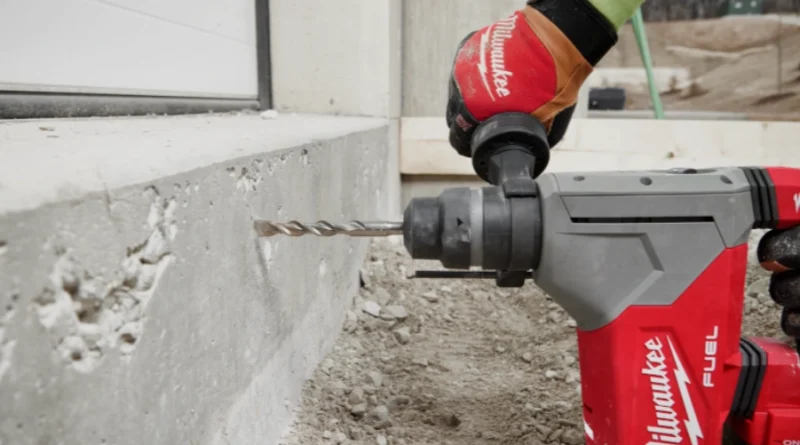
The SDS drill, short for Slotted Drive System drill, is a special kind of rotary hammer. It sends strong impact energy right into hard materials in a smart way. Workers in building and stone work count on it. They like its special setup that mixes turning with air-powered hammering. This is different from regular hammer drills. Those use rubbing parts to make hits. But an SDS drill has a piston setup that pushes out steady blows. It does this without dropping power or turning speed. I’ve seen guys on job sites swear by these for tough jobs, like punching through old walls without the tool quitting on them.
The Engineering Behind the SDS Mechanism
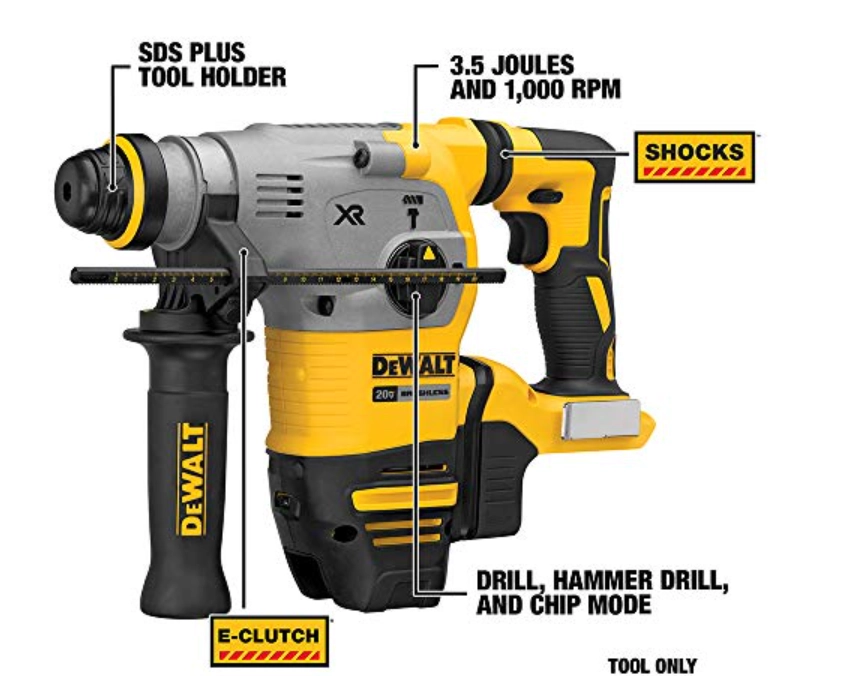
The Slotted Drive System, or SDS, got made to make the link between the drill bit and the chuck better. It skips the old way of tightening with just rubbing. SDS bits have cuts that snap into spring-held balls in the chuck. This lets the bit slide forward and back easily. At the same time, it passes on turning power well. So, less power gets wasted. Drilling works faster, mainly in thick stuff like concrete or rock. Regular hammer drills can have bits that slip when things get heavy. But the SDS setup keeps a firm hold even in rough use. Inside the drill, the piston air system squeezes air. It pushes a hitter against the bit’s end part. This makes strong hits with little shake going to your hands. The air setup boosts hit power. It also cuts down tiredness when you work for a long time. Think about a crew fixing up a basement— these drills keep going without making your arms numb after hours.
Variations Within the SDS Family
SDS drills have three main kinds: SDS, SDS Plus, and SDS Max. The first SDS type is mostly gone now. SDS Plus took over for easy to middle jobs. It uses a 10 mm end size. That’s good for holes up to about 30 mm across. SDS Max has an 18 mm end. It’s made for big factory-level drilling or breaking. Holes there go over 40 mm wide. Each type has different strength and use. For example, SDS Plus fits well for putting in anchors or small pipe paths. SDS Max works better for smashing concrete floors or tearing down big structures. You must watch fit— SDS Plus bits won’t go into an SDS Max holder because of size gaps. Some makers sell add-ons for some mixing. But only when the job doesn’t need full power. In my experience from site visits, mixing them up can lead to snapped bits if you’re not careful, especially on a rushed deadline.
Comparing Drilling Mechanisms: SDS vs. Standard Hammer Drill?
When you stack an SDS drill against a regular hammer drill, don’t just check the power numbers. Look deeper at how each one sends hit energy. Also, see how it handles turning force in stone work loads.
The Impact Delivery System
An SDS drill turns motor power into hits using an air setup. It doesn’t use straight part-to-part touching. In the body, a piston squeezes air. That air shoots a hitter at the bit’s end with each turn. So, every hit has the same push. It doesn’t matter how hard you press down. That’s a big plus for drilling up high or into strong concrete with metal bars. A regular hammer drill uses two bumpy disks. They bang each other as they turn with the holder part. This does okay on soft things like bricks. But it slows down fast in tough stuff. A lot of the move turns into shakes instead of digging in. The air system in SDS keeps things smooth at quick speeds. It holds steady drilling even when you hit metal bars or thick lumps in the concrete. Picture drilling into a garage floor with hidden pipes— the SDS just powers through without jamming.
Torque and Power Transmission Differences
How it sends turning force sets these tools apart a lot. In an SDS, the gears stay strong with high force at slow turns. They don’t get too hot or lose teeth under big loads. The cut setup means the bit hardly slips. Every bit of motor work goes straight to moving ahead. This good passing helps with exact work in repeat drilling. That’s key for lining up rods or hold-down bolts in building frames. Regular drills might wobble here, but SDS stays on track. From what I’ve heard from old-timers, this makes a real difference in tight spots like retrofitting old bridges.
Performance Advantages of SDS Drills in Tough Materials?
Workers pick SDS drills because they keep working where normal hammer drills stop or get too hot. It’s reliable for the hard stuff.
Efficiency in Concrete, Stone, and Reinforced Structures
SDS drills keep going through hard lumps. Their air action gives steady hit energy. It doesn’t rely on how hard you push. New designs have shake control. This keeps shakes away from where you hold it. So, you get less tired. The bit’s twisted shape with grooves pulls junk out of the hole well. This keeps the cutting parts clean. Digging speed stays even after long work. For instance, on a site with 200 mm thick walls full of gravel, these tools chew through without slowing. Vibration helpers in today’s models make all-day jobs bearable, unlike older clunkers that leave you sore.
Durability Under Continuous Load
How well it holds up during long runs ties to handling heat and fighting wear in the moving bits. The air-padded piston setup spreads heat better than rub-based ones in old drills. This makes the tool last longer. Inside parts like bearings and seals see less rubbing. There’s no direct metal hitting during hit times. For teams on long days breaking concrete floors or tunnel walls, this means fewer fix stops. It cuts costs over time. I recall a project where a crew ran one for 80 hours straight— it just needed a quick lube and kept humming, saving them from renting extras.
Functional Versatility Beyond Basic Drilling?
SDS setups today do more than just drill holes. They have switch modes that make them handy for many jobs. From rough pipe work to taking off tiles, they’re flexible.
Chiseling and Demolition Applications
Most top models let you change between just turning, hammer-drill, and breaking modes. You use a easy switch near the gear box. This makes them great for not only holes but also prepping surfaces. Like clearing old glue lines or cutting paths for wires. When picking for mixed tasks, check the hit energy rating in joules. Higher means stronger hits per push. That’s vital for small breaking, such as pulling tiles from board backs or trimming base edges before fixing. On a bathroom reno, switching to chisel mode saved hours compared to hand tools— quick and clean.
Accessory Integration and Adaptability
SDS works with more than bits. Many take big round cutters for wide holes. Also, breaking tools for scraping or cutting lines. Dust pullers attach right to the holders with fast clips. That’s key now with rules on dust from sand in the air. The fast-swap holders speed up work. You change add-ons without extra tools in the middle of a job. It’s a small win but big on busy sites. Adapters for dust bags are a must these days, especially in tight indoor spots where fine particles hang around like fog.
Selecting the Appropriate Tool for Professional Applications?
Picking the right rotary hammer comes down to the stuff you’ll hit most and how deep the holes need to be. It’s about matching the job.
Assessing Material Hardness and Project Scope
If you drill hold points into set concrete walls over 150 mm thick each day, get an SDS Max. It has better hit strength and room for bigger ends. For easy fix-ups on brick walls or coated blocks, SDS Plus does plenty. It’s lighter to use up high. Line up specs like power in watts or joules with hole sizes. This keeps things balanced without stressing the tool or you. In big projects like high-rises, going SDS Max from the start avoids callbacks for deeper cuts.
Balancing Power, Weight, and Control in Field Operations
Comfort matters a lot. Heavy tools give more punch but tire arms in long goes. Unless they have shake-cut handles or good weight balance. New anti-shake tech cuts long-term hurts. These are common for workers using tools hours a day. Pick them when buying for teams. It pays off in less sick days. Ergonomics isn’t just buzz— on a full-day slab pour, a balanced SDS feels like an extension of your arm, not a burden.
Maintenance Practices to Sustain Peak Performance?
Strong tools like SDS drills need regular care. This keeps them running like new for years.
Lubrication and Component Care
Put grease on piston parts now and then. Follow the maker’s times with the right type for hit setups. Clean the holders to stop dust from getting in. That can block the lock balls. It’s a top reason for early wear that techs spot before it breaks. Watch for early clues like weaker hits or odd noises. Fix seal wear quick to avoid big tears later. On dusty sites, a daily blow-out with air keeps things smooth— skips the gritty surprises.
Bit Selection and Handling
Pick carbide-end bits that match the stuff’s hardness. Softer ones wear out quick on concrete with metal bits inside. This slows you and strains the motor. After work, wipe bits clean. Don’t let wet junk dry in the grooves. This keeps junk pulling easy next time. Especially on sites with dust from cuts or grinds floating around. Matching bits right can double your hole count per day— I’ve seen it turn a two-day job into one.
FAQ
Q1: What does “SDS” stand for?
A: It stands for “Slotted Drive System.” This means how the bit locks tight in the chuck with cuts. Not like rub tightening on regular drills.
Q2: Can I use normal masonry bits in an SDS drill?
A: No. Normal bits miss the cuts needed for the lock balls in an SDS chuck. Some add-ons let you use them sometimes. But only if exact work isn’t key.
Q3: How often should I lubricate my SDS drill?
A: Stick to maker advice. Usually every 50 hours of hard work. This keeps piston seals working right under repeat squeezes in big jobs.
Q4: What’s better for reinforced concrete—SDS Plus or SDS Max?
A: Pick SDS Max for spots with lots of metal bars. Its bigger end sends more hit force per push. It cuts bounce that’s common in small setups.
Q5: Why do professionals prefer pneumatic over mechanical hammering?
A: Air action keeps hit strength steady no matter the push. It boosts digging speed and drops shake compared to bump-disk ways in basic hammer drills.


