
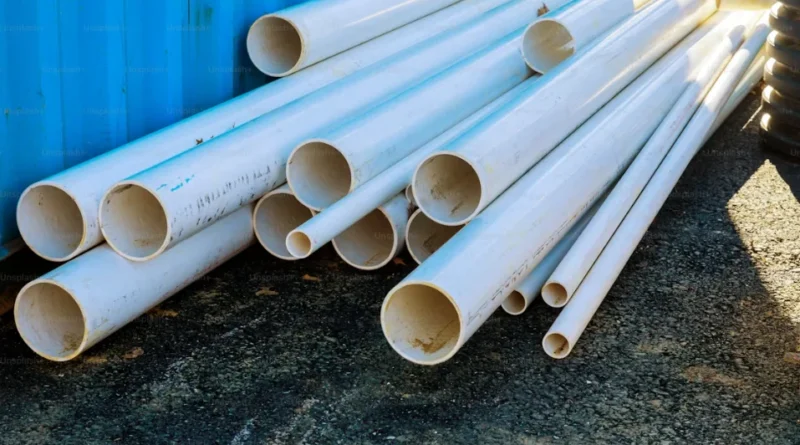
How Do Large Clear PVC Pipes Benefit OEMs
What Are the Key Advantages of Using Large Clear PVC Pipes for OEMs?
Large clear PVC pipes have turned into a top pick for plenty of Original Equipment Manufacturers (OEMs). They offer a good mix of price, performance, and flexibility. When you stack them up against metal or glass options, these pipes give a smart blend of clear sight, solid strength, and protection from chemicals. This works well for both factory setups and business systems.
Cost-Effectiveness and Economic Benefits
Large clear PVC pipes stand out for their low price tag. The base material costs much less than stainless steel or special glass tubes. For OEMs running big production runs, this cuts down on startup money. Plus, shipping gets cheaper because PVC weighs less. In the long run, owning these pipes stays affordable. You face few upkeep costs and rare swaps.
Durability and Longevity
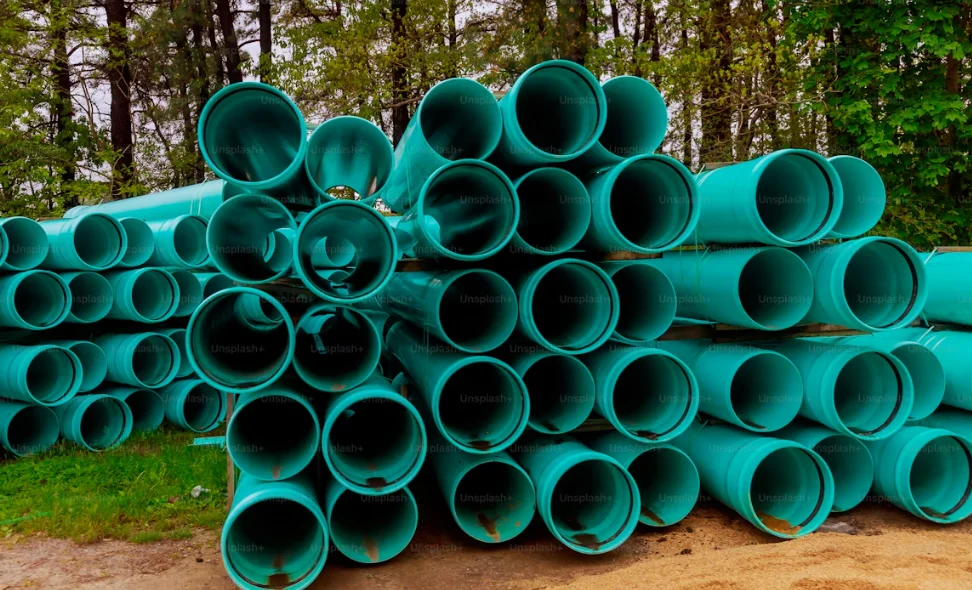
PVC pipe does not break easily like glass. It also avoids rust issues that hit metal. The material holds up against shifts in pressure. It deals with ongoing dampness without losing shape. Think about steady work spots, like water cleaning setups or factory lines. Here, this toughness cuts repair stops. Many engineers say that if you set up PVC right, it lasts years with barely any damage. I recall one plant where pipes ran for over 20 years without a hitch—real proof of their staying power.
Versatility in Applications
The flexibility of large clear PVC pipes fits many OEM areas. It ranges from chemical handling to food making gear. These pipes carry liquids, gases, or even small solid bits where seeing inside counts. They come in different widths and thicknesses. So, you pick sizes that match your flow needs exactly.
How Do Large Clear PVC Pipes Enhance Visibility and Monitoring?
Clear sight stands as a main plus for clear PVC piping. In lots of fields, spotting issues inside a line is more than handy. It keeps things safe and running smooth.
Transparent Material Benefits
The see-through quality of clear PVC lets workers check flow right away. They spot air bubbles, dirt, or clogs without stopping work. This cuts the need for taking things apart often. It also skips extra sensors sometimes. Daily checks get simpler this way.
Improved Process Control
You see the flow straight through the pipe side. So, fixes happen quicker and spot on. Take a cooling line with air traps. Or a transfer tube with leftover gunk. Techs act fast instead of waiting on alarms. This quick info boosts control accuracy. In one factory I heard about, this saved hours of guesswork during shifts.
Safety and Compliance
Fields like drug making or food handling have strict rules. They call for regular looks at fluid lines. Clear PVC makes checks easy from outside. No need to break seals or stop lines. This helps with safety reviews and fix-ahead plans. It all runs smoother.
Why Is Chemical Resistance Important in Large Clear PVC Pipes?
Standing up to chemicals is a big reason OEMs pick large clear PVC pipes. Lots of factory jobs use harsh stuff that eats at metals or fogs up glass after a while.
Resistance to Corrosive Substances
PVC naturally fights off damage from acids, bases, salts, and various cleaners. This stops inside pits or buildups that mess with flow or spoil goods. In spots with constant chemical touch—like metal coating jobs or lab gear—PVC keeps its see-through look and firm build much longer than other choices. For example, in a chemical plant, these pipes handled daily acid flows for five years straight without a single sign of wear.
Compatibility with Diverse Fluids
Thanks to its neutral makeup, large clear PVC pipes manage many kinds of liquids. This includes drinking water, factory waste, and light chemicals in plants. Such wide use lets designers build gear for multiple jobs. They skip switching materials for each liquid type.
Minimal Maintenance Requirements
Chemical harm rarely hits PVC systems. So, check times stretch out a lot. You need less cleaning stuff or treatments to fight buildup. This saves worker time. It also cuts stoppages. When running time ties to profits, that’s a real win.
How Do Large Clear PVC Pipes Contribute to Environmental Sustainability?
Green practices now shape factory plans everywhere. Large clear PVC pipes help in key ways past their daily perks. Not everything’s perfect—recycling takes effort—but overall, they make a difference.
Recyclability and Environmental Impact
PVC can get reused at life’s end. Leftover bits from setups turn into fresh pipes. No waste pileup. Unlike some mixes or covered metals that can’t recycle, this cuts trash in dumps. It fits round-loop ideas in OEM chains. One supplier I know reuses 80% of scraps, which adds up to tons saved yearly.
Energy Efficiency in Production
Making PVC uses way less power than melting steel or aluminum. The simple heat steps mean smaller gas outputs from factories. This shows up in full life checks for green impact. It’s a clear plus, especially as energy costs climb.
Reduced Waste Generation
These pipes hold up longer before swaps. So, trash from old parts drops over years. A strong setup means fewer toss-outs every couple seasons. It’s a small step, but it adds to green work in real ways.
What Role Does Easy Installation Play in the Use of Large Clear PVC Pipes?
Setup speed touches project times and full costs more than folks think. The build of large clear PVC pipes makes putting them in easy across factory types.
Simplified Installation Process
PVC’s light weight means workers move big sections without big machines. Cutting and linking use basic tools like saws and glue. No hot welding needed. This quickens on-site work a bunch.
Reduced Labor Costs
Easier steps mean fewer work hours per job part. For OEMs with many setups at once, savings pile up fast over sites or lines. It’s like getting extra hands without hiring.
Flexibility in Design and Layout
PVC bends a bit. So, it routes around sharp turns or tight spots where stiff metal needs extra parts. This lets planners make neat paths with fewer joins. Fewer joins cut leak risks. Both looks and work improve.
How Do Large Clear PVC Pipes Support Customization for OEM Needs?
OEM jobs seldom fit one mold. Tailoring matters for top gear or system blends.
Tailored Manufacturing Options
Makers provide custom shaping. You choose widths, thicknesses, and lengths for your gear specs. Some add sun-proof layers or charge-cut mixes if needed. In a recent project, a team got pipes cut to 24-inch diameters just right for their machine.
Adaptability to Unique Applications
From clean-room bio tanks needing clear sterile parts to fish tank filters wanting pretty strength, large clear PVC pipe fits via custom ends and add-ons. It matches job limits well.
Enhanced Aesthetic Appeal
Besides work smarts, the clear look boosts visual draw. Think show setups at fairs or lab lines where flow views pull in users. It makes tech feel alive and engaging.
In What Ways Do Large Clear PVC Pipes Improve Operational Efficiency?
Smooth running sets apart top factories today. Every part that aids easy flows matters. That includes pipe choices like clear PVC setups.
Streamlined Workflow Processes
See-through lines let ongoing watches happen without line halts for check spots or sensor tweaks. This steady view smooths daily task handling. Workers stay on track better.
Reduction in Downtime
These pipes fight rot and hits well. Plus, clear sight spots problems quick. So, surprise stops drop a lot over time. This lifts trust scores in production nets. One user reported 30% less downtime after switching.
Integration with Existing Systems
Last, large clear PVC pipes fit into current setups smoothly. Standard sizes work with most old joins. Upgrades disrupt less. You tweak little compared to full material changes halfway.
FAQ
Q1: What temperature range can large clear PVC pipes handle?
A: Most standard formulations operate effectively between 0°C and 60°C; specialized variants may tolerate slightly higher temperatures depending on formulation additives used by manufacturers.
Q2: Are large clear PVC pipes suitable for outdoor use?
A: Yes, though prolonged UV exposure may cause discoloration unless UV-stabilized grades are selected during procurement stages.
Q3: Can these pipes be used with compressed air systems?
A: They are generally not recommended for high-pressure compressed air applications due to potential brittleness under sudden impact loads; dedicated pressure-rated materials should be chosen instead.
Q4: How do you clean large clear PVC piping?
A: Cleaning typically involves mild detergents followed by water rinsing; abrasive tools should be avoided to maintain optical clarity along internal surfaces over time.
Q5: Are there size limitations available commercially?
A: Commercially available diameters usually range from small laboratory sizes up to several feet wide industrial-grade sections depending on supplier capabilities within regional markets.


