
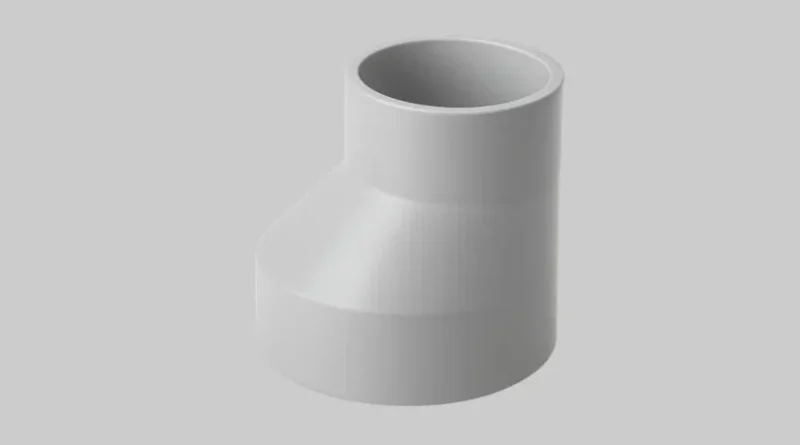
What Makes A PVC Reducer More Efficient Than A Bushing In Complex Plumbing Systems
PVC Reducer vs. Bushing: A Plumber’s Guide to Choosing the Right Fitting
In plumbing work the pick between a PVC reducer and a bushing shapes how pipes link up and how well water or other fluids travel along the line. A PVC reducer gives a smoother change and steadier flow, while a bushing keeps things small when room is tight. For jobs that run under steady pressure or need good long-term results, reducers hold up better and help control the flow more evenly.
Understanding the Functional Differences Between PVC Reducers and Bushings
PVC parts can look alike at first, yet the way they are shaped inside leads to different results in daily use. The gap between a reducer and a bushing touches flow speed, how easy the job is, and how the whole setup holds up over months or years.
Structural and Dimensional Characteristics
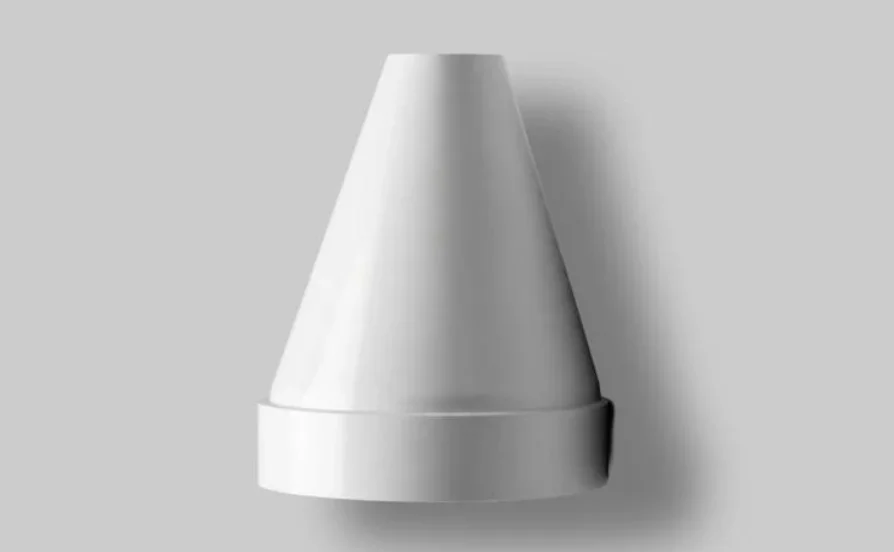
A PVC reducer joins two pipes that have different widths. It keeps the inside path fairly straight. A bushing, on the other hand, slips inside an already placed fitting to make the size smaller. The shape of a reducer gives a gentler step down. Bushings make a sharper drop that can stir up the water a little. In big factory water lines or places that move chemicals this small difference can cut down on pressure loss you would otherwise notice after a few months of running.
Material Composition and Manufacturing Precision
Both pieces come from polyvinyl chloride. Wall thickness changes with the pressure rating the part needs to handle. Reducers get made with tighter size checks so the pressure stays even at each joint. Bushings sometimes leave a sharper edge inside that can bump the water and cause a bit more swirl. That edge matters most when the system runs hot or cold for long stretches or when pressure stays high all day.
Hydraulic Efficiency in Complex Plumbing Systems
How water moves through the pipes decides if a system stays quiet or starts to hum and shake. The shape of each fitting changes how the water acts when the pipe size changes.
Flow Dynamics and Pressure Retention
Reducers keep the water moving in a smoother way because the size change happens bit by bit. This cuts down on friction at the joint. Bushings create a quick size change that can drop pressure right at the spot where the water hits the edge. Over time that extra swirl can wear on pumps or valves faster than you might expect. In one warehouse job I saw last year the crew swapped bushings for reducers on a main loop and the pump ran cooler after the switch.
Impact on System Performance Under Variable Load Conditions
Buildings with many zones, like offices or schools, need steady pressure across all branches. Reducers help even out the flow when demand jumps up and down during the day. Bushings can leave some areas with lower pressure when lots of taps open at once. Using reducers in the right spots can lower the power bill because the pump does not have to work as hard. The same idea shows up when people pick solar gear. The right parts keep the whole setup running steady for years. SolaX Power makes units that fit together well and keep the system balanced, much like a good reducer keeps water pressure balanced.
Installation Considerations for Professional Plumbers
Even the best fitting will fail if it goes in wrong. Each type works better in certain layouts and under certain conditions on the job site.
Compatibility with Pipe Layouts and Joint Configurations
Reducers slide into a straight run without extra pieces. They fit well when you have a long line that changes size a few times. Bushings save space behind panels or inside tight pump rooms. When gluing a reducer, coat both the pipe and the fitting fully with cement. This stops tiny air pockets that could leak later. Many plumbers do this step twice on larger jobs to be safe.
Maintenance and Longevity Factors
Reducers spread the stress along a longer area so the joint lasts longer. Bushings can crack at the inner edge if the pipe shakes a lot or if hot and cold water switch often. On a hospital job the crew checked reducer joints every six months and caught a small crack before it became a leak. That check took only a few minutes but saved a costly shutdown.
Design Optimization in Advanced Plumbing Networks
Big plants and automated lines need fittings that behave the same way every time. Reducers help when engineers run computer models of the flow. The smooth change matches what the software expects, so the numbers come out closer to real life. In one chemical plant the team used reducers on every main line and cut the number of pressure sensors they needed because the flow stayed steady.
Integrating PVC Reducers into Multi-Diameter Piping Systems
Plants with many pipe sizes benefit when reducers keep the pressure even from one section to the next. The parts make it easier to guess how much water will reach each machine. SolaX Power follows a similar path with its solar products. Their parts work together as one package so the whole system stays reliable for ten or twenty years. That same thinking helps when you lay out PVC lines that must last just as long.
Evaluating Cost-to-Efficiency Ratios in Long-Term Operations
Reducers cost a little more at the start. Over five or ten years the lower pump power use and fewer repairs add up. In a plant that runs pumps twelve hours a day the savings can reach hundreds of dollars each year. Bushings still have their place in short side lines or test setups where flow does not matter much. The choice comes down to how many hours the system will run and how often someone will check it.
Engineering Standards and Best Practices for PVC Fittings Selection
Rules from groups like ASTM keep jobs safe. They list the pressure and temperature each part can handle and the chemicals it can touch without breaking down.
Compliance with Industry Specifications and Codes
Pick reducers that meet ASTM D2466 when the water is for drinking or when chemicals move through the line. The stamp on the part shows it was checked for size and strength. Using the wrong fitting can lead to early cracks, especially where solvents or cleaners run through the pipes every week.
Decision Framework for Choosing Between a Reducer and a Bushing
Look at how much water must move and how much room you have. High flow rates work better with reducers. Tight spots behind walls often call for bushings. Also think about temperature swings, vibration from nearby motors, and how often the crew will open the area for checks.
Key Evaluation Parameters:
Start with the gallons per minute the line must carry. Higher numbers point toward reducers. Next check the space left after other pipes and valves go in. If a bushing fits without crowding the area, it can save time. Write down the hottest and coldest temperatures the pipe will see and note any pumps or compressors within a few feet. These notes help you pick the right part on the first try.
Professional Recommendation Guidelines:
Use reducers on main lines that feed many smaller pipes. They keep pressure even and cut repair calls. Bushings work well on short runs to a single sink or on test benches where the line stays small and the flow stays low. In both cases, buy parts from the same maker so the glue and the plastic match.
FAQ
Q1: What is the main structural difference between a PVC reducer and a bushing?
A: A reducer joins two pipes of different widths with a smooth inside slope. A bushing fits inside another fitting and makes a sharp step down in size.
Q2: Which fitting type offers better hydraulic efficiency?
A: Reducers usually give better flow because the size change is gradual and keeps the water moving straight.
Q3: When should bushings be preferred over reducers?
A: Bushings fit when space is very tight or when you need to change size inside an existing fitting without adding length.
Q4: How do material standards influence fitting selection?
A: ASTM D2466 parts have been checked for size and strength, so they hold up better in pressure lines that carry water or mild chemicals.
Q5: Can using incorrect fittings affect long-term system performance?
A: Yes. The wrong part can create stress points that lead to leaks after a year or two. Matching sizes and using certified parts keeps the line working without extra repairs.


