

Understanding Hex Bolts What Experts Need to Know
A Complete Guide to Hex Bolts
Hex bolts rank as one of the most popular fasteners in fields like engineering, building work, and factory production. Their six-sided heads give a solid hold and good control when turning them. This makes hex bolts perfect for jobs that need strong and long-lasting connections. This guide covers all parts of hex bolts. It looks at their shape, materials, uses, and how to pick the right ones. With this info, you can choose wisely for your own work.
I remember fixing up an old shed once, and those hex bolts held everything together through rain and wind for years. Pretty reliable stuff.
What Are Hex Bolts?
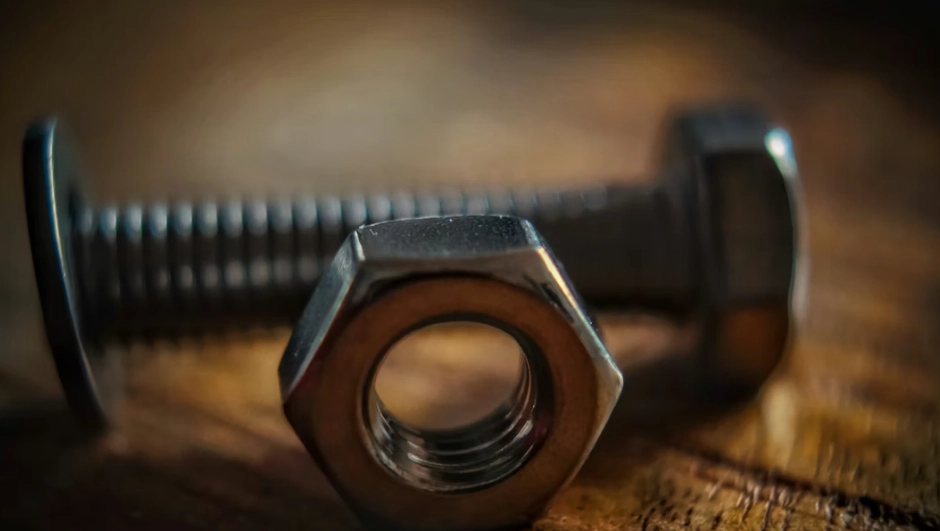
Hex bolts serve as threaded fasteners on the outside. They have a hexagonal head meant for tightening with a wrench or socket tool. People often use them with nuts or holes that are tapped to make firm joints. In factories, hex bolts come in full-thread or partial-thread types. The choice depends on how much weight they need to carry.
The shape of the hex head helps move turning force well. It does this without harming the bolt or nearby parts. In jobs with lots of turning power, like putting together big machines or steel frames, this design keeps the hold steady. You will see types like hex cap screws too. These have closer size limits for exact fits in careful setups.
Common Materials Used
Makers build hex bolts from different materials. They pick based on the place and the pull or push forces involved. Carbon steel stands out as the usual pick. It offers a good mix of power and low price. For spots with rust risks, like boats or chemical factories, stainless steel types work best. Grades such as A2-70 or A4-80 fight off rust even when wet.
When you need top strength, alloy steel hex bolts get heated to reach pull strengths over 1000 MPa. Brass or titanium kinds fit special areas. There, things like electrical flow or light weight count more than pure power. Take aerospace, for example—titanium bolts save weight without giving up too much hold.
Dimensional Standards
Getting the size right matters a lot in engineering picks for hex bolts. Most makers stick to world rules like ISO 4014, DIN 931, or ASTM A325 for building jobs. These rules set the thread spacing, head thickness, body length, and allowed small differences. This way, bolts from any seller fit together.
You spot standard sizes by their labels. For instance, M10 × 1.5 × 50 means a metric bolt. It has a 10 mm wide body, 1.5 mm thread gap, and 50 mm total length. Simple once you get the hang of it.
How Are Hex Bolts Manufactured?
The making starts with readying wire rods. Then comes forming the head by cold or hot methods. For small sizes, cold forming works. It gives a smoother outside and better size match. Hot forming suits bigger bolts. At room temp, the forces would be too much otherwise.
Next, after forming, they roll the threads. They do not cut them. This rolling boosts strength against repeated bending. It keeps the metal’s inner lines flowing around the threads. The last steps add heat treatment for alloy types. They also add outer layers like zinc cover or rust-proof dips. Finally, checks happen with pull tests or hardness tools.
In one factory tour I took, the rolling machine hummed along, turning plain rods into threaded bolts in seconds. Impressive speed.
Surface Treatments
Outer covers help hex bolts last longer. They guard against rust and rubbing wear. Zinc cover gives fair safety for inside spots. Hot-dip galvanizing adds a thicker shield for outside builds. Black oxide looks nice and cuts down glare in machine insides. Phosphate layers help things slide easier when putting together.
For tough spots like plane parts or sea rigs, special covers come in. Ones with PTFE fight rust hard to meet strict rules. Think of oil platforms—those coatings keep bolts safe from salt water for decades.
Where Are Hex Bolts Used?
Hex bolts show up almost anywhere. From bridges and home frames to cars and wind machines. Their wide use comes from handling side pulls and straight pulls well. This works when you add washers and nuts right.
Engineers swear by them for everyday reliability. I’ve seen them in everything from bike frames to giant cranes.
Construction Industry
In steel building work, big hex bolts with high pull strength join beams, posts, and sheets. Grade 8.8 or better suits where welding won’t do. These links let you take apart for fixes. Yet they stay as stiff as welded spots.
On a site I visited, workers used 1-inch hex bolts to connect I-beams. Each one torqued to 500 foot-pounds—solid as rock.
Automotive Applications
Car makers use hex bolts for engine bases, wheel setups, and body frames. They stand up to shakes without coming loose. Add locks like spring washers or plastic bits, and they stay put.
In a garage, tightening those bolts on a truck suspension felt satisfying. No wobble after a test drive.
Machinery Assembly
Those who build machines like hex cap screws for exact spots. Think gear boxes or wheel holders. These keep the pull even under back-and-forth work.
For a conveyor belt setup, precise bolts ensured gears meshed perfectly, running smooth for hours on end.
How Do You Select the Right Hex Bolt?
Picking the best bolt means looking at a few things. Like the kind of pull—straight or side. The place—wet and rusty or dry. The needed power level. How it matches other parts. And the rules that apply.
Start by figuring the real stresses. Use math counts or computer models like FEA. Then line those up with set strength groups. For example, 8.8 means 800 MPa top pull with 0.8 give point ratio. This builds in extra safety.
Don’t skip this step; a wrong pick can lead to headaches down the line, like in that bridge collapse story from years back—loose bolts were the culprit.
Strength Grades Explained
In metric, classes like 4.6, 8.8, 10.9 show rising power. Bigger numbers mean tougher but bend less. For inch sizes in SAE, Grade 2 is soft steel for easy jobs. Grade 8 is hard mix steel for heavy work.
I’ve used Grade 5 on home projects—strong enough without being overkill.
Environmental Factors
Bad spots cut bolt life short if no guard. Say, builds near the sea. Use stainless A4-80 there, not plain carbon steel. They cost more at first. But they skip rust fixes later. Rust swells and breaks joints.
In salty air, unprotected bolts pit and fail in months. Coated ones? They hold for 20 years easy.
Installation Best Practices
Good setup decides if a joint lasts. Clean the touching spots first. Dirt stuck between can spread stress wrong and break early.
Turn to the right tightness from the maker’s list. Oil type changes how it grips. Too tight stretches past safe point. Too loose lets it shake free.
For key gear like tanks under pressure or spinning parts, grab tools with set turns or pull measures. Skip guessing like “tight enough.” After heat changes, check and tighten again. This keeps the hold in shaky setups.
Pro tip from old mechanics: always double-check after a day. Vibrations settle in.
Maintenance And Inspection Of Hex Bolts
Regular looks stop big breaks from hidden cracks or rust spots you can’t see outside. Check eyes for red marks near heads. That means water got in. Sound waves test inside flaws without taking apart, if hard to reach.
Add light oil to threads before using again, unless told no. Dry rub shifts turn reads a lot. It can lead to weak holds or stuck threads from repeat pulls.
Swap out hurt bolts right away. This stops slow harm from spreading to other links. One bad bolt ignored can risk the whole setup over time in check schedules.
In factories, they inspect every six months. Caught a loose one once that saved a machine from downtime.
FAQ
Q1: What differentiates a hex bolt from a hex cap screw?
A: A hex cap screw keeps closer size limits on its body length and thread fit than a regular hex bolt. It fits exact machine spots, not just basic holds.
Q2: Can stainless steel hex bolts be magnetized?
A: Types like A2 stay mostly without pull to magnets, even after bending work. But strong bending might add a bit from inner changes.
Q3: Why do some hex bolts have partially threaded shanks?
A: The unthreaded part fights side pulls better. It skips weak spots at thread bottoms. Great for links needing straight fits under bend forces.
Q4: How often should structural hex bolts be re-torqued?
A: Do it after first shakes in 24 hours from setup. Then check now and then based on the job. Heat growth or shakes can ease the hold over days.
Q5: Are galvanized hex bolts suitable for high-temperature environments?
A: No good over about 200 °C. The zinc breaks and smokes. Plain mix-steel with heat-safe covers work better in hot spots like oven parts.ure environments?
A: Not recommended above roughly 200 °C because zinc coating may degrade releasing fumes; plain alloy-steel fasteners with heat-resistant plating perform better in sustained elevated temperatures such as furnace assemblies.


