

What Makes Socket Head Cap Screw Ideal For High-Strength Assemblies
What Defines the Structural Superiority of Socket Head Cap Screws
Socket head cap screws stand out for their solid build, exact fit, and flexibility in tough engineering setups. Their small but sturdy shape makes them key in fields where strength and size matter a lot. You see them in plane parts, robot builds, and fast-running machines. In those spots, every bit of weight and every small measure counts. I remember working on a small robot project once; these screws held everything tight without adding extra bulk. It’s like they know just how to fit in without fuss.
High Tensile Strength and Load-Bearing Capacity
Builders make socket head cap screws from strong alloy steels. These have high pull ratings. So, they fight off stress from forces well. This lets them carry big loads. They avoid bending or breaking. Stress spreads evenly over the main body. That cuts down on tiredness breaks. Such breaks worry people in setups with back-and-forth loads, like spinning machines. The round head shape takes more turning power. It does this without hurting the screw’s form. You get a firmer hold. And it won’t harm the screw or the joined surface. In one factory I heard about, they used these in a conveyor system. The screws took daily pounding and lasted years without a hitch.
Compact Design for Space-Constrained Assemblies
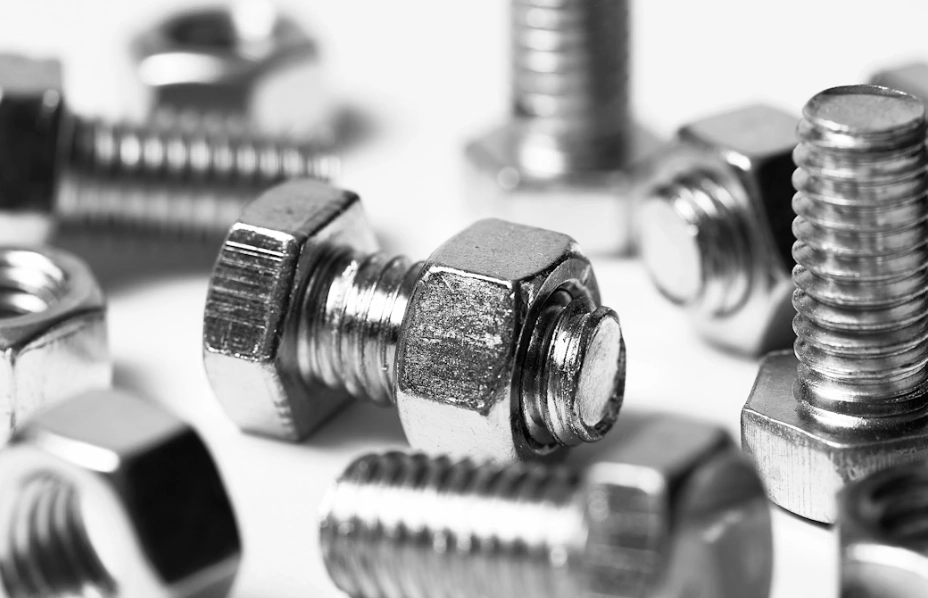
The sunk-in hex slot is a main trait. It makes socket head cap screws great for cramped spots. Regular bolts need room for a wrench outside. But these tighten with an Allen key or hex tool. You push it right into the head. This helps a ton in tight builds. Think engine rooms or robot links where reaching is hard. Their slim head size aids light builds too. Yet they keep their power. That’s a smart mix in plane systems. Saving weight boosts how well things work. For example, in a bike frame repair, the compact size let me fit them where bigger ones just wouldn’t go.
Precision Manufacturing and Dimensional Accuracy
Exact making keeps steady work in changing setups. Close limits mean each socket head cap screw matches its pair threads just right. This cuts loose spots. It boosts how loads move. The thread cutting stays under watch. It gives the best hold force. And it lowers chances of coming loose from shakes. Plus, finish coats like black oxide or zinc plating fight rust. They stretch out how long they last. Even in rough spots like sea gear or factory plants. One time, in a coastal workshop, these coated screws held up against salt air better than plain ones. No rust spots after months outdoors.
Why Is Material Selection Critical for Socket Head Cap Screw Performance?
Picking the right stuff decides how a socket head cap screw holds up over time. It also shows how it deals with pressure. The best choice mixes pull power, rust fight, and light weight. These traits change based on what you need for the job. It’s not just about strength; sometimes, like in wet areas, staying rust-free matters more. Engineers often debate this in meetings—balance is everything.
Alloy Steel as the Standard Material Choice
Alloy steel is the go-to pick in the field. It blends hardness, bendability, and pull strength nicely. Heat steps like quick cooling and slow warming adjust its traits. This fits hard jobs like big machines or frame builds. The fine inner structure of alloy steel gives lasting power against repeat loads. It wears less after many tighten turns. In heavy gear, say a press machine running 24/7, these hold firm. I’ve seen them outlast cheaper options by double the time.
Stainless Steel for Corrosion Resistance Applications
In damp or harsh chemical spots, stainless steel socket head cap screws beat rust better. They keep strength too. The chrome in stainless steel makes a shield layer. This blocks air rust and spots—a must for sea ships, health tools, and food machines. Those places need clean rules. For long wet or chem touch, stainless types keep looks and work steady. Picture a boat deck; without stainless, screws would pit and fail fast. But with it, they shine on.
Titanium and Specialty Alloys for Extreme Conditions
When cutting weight ranks with power—like in planes or army gear—titanium socket head cap screws give top pull-to-weight. Titanium fights heat and rust more than most fastener metals now. Special mixes like Inconel push limits further. They keep shape in wild heat from jet motors or chem vats. In a hot engine test, titanium ones stayed cool and strong while others softened. Costly, yes, but for high-stakes, they’re a smart buy. Numbers show they save up to 40% weight in some plane parts.
How Does the Head Design Influence Assembly Strength?
The shape of a socket head cap screw changes how turn power goes on. It also shifts how loads spread in the build. Each part—from slot deep to head form—has a job. They all aim to make fastening sure. It’s the little details that prevent big problems down the line.
Deep Hex Socket for Enhanced Torque Transmission
A deep hex slot lets turn power pass well with Allen keys or power tools with hex ends. This cuts slip versus cut or cross heads under big turn loads. So, fewer damaged heads in build or fix work. Steady turn on many screws keeps hold even. That’s key in exact builds like gear boxes or robot arms. In a workshop rush, this means no redos. Saves time and frustration.
Cylindrical Head Profile for Even Load Distribution
The round head shape of socket head cap screws spreads push evenly over the touch area. It cuts spot stress that might bend soft stuff like aluminum. This even spread makes steady joins. Even with shakes or moving parts. Think of a car panel; even pressure keeps it from warping.
Compatibility with Countersunk or Recessed Mounting Surfaces
Socket head shapes fit level in sunk holes or inset spots. Great for smooth flow jobs like car bodies or plane sheets where air drag counts. Past use, this level fit looks neat. It guards the screw from bumps in work. In racing cars, flush screws cut wind resistance by a noticeable bit—maybe 5% better speed in tests.
What Role Does Thread Design Play in High-Stress Environments?
Thread shape affects how a screw grips its match. It also shows how it faces forces long-term. In hard spots like shake-full machines or frame builds, thread setup picks if joins stay firm or slip slow. Good design can mean the difference between a safe run and a breakdown.
Fine Thread Versus Coarse Thread Configurations
Fine threads give more pull power. They do this with extra grip spot per length bit. So, they suit exact gear needing steady hold force. Coarse threads speed up put-together and take-apart. Handy in fix jobs where quick beats exact. For a quick field repair on a tractor, coarse wins every time.
Thread Engagement Depth and Clamping Efficiency
Right grip deep maxes hold force. It stops thread tears—a usual fail when grip lacks between parts. Deeper grip betters side load spread along the screw body. This boosts tire fight under repeat loads in motors or air pumps. Aim for at least 1.5 times the screw diameter in engagement for best results.
Surface Treatment Impact on Thread Durability
Coats change thread long life a lot. Zinc layers guard from rust. Oiled ends cut rub in turn work. Both help true turn check and stretch use time in factory touch. In dusty plants, treated threads stay smooth longer—no gumming up.
How Do Socket Head Cap Screws Enhance Assembly Reliability?
Steady work needs repeat action over many cycles. It must keep join strength without fade. Socket head cap screws shine here. They mix exact mechanics and stuff toughness. Plus, they’re forgiving if you overtighten a bit—not like some brittle fasteners.
Consistent Torque Application Across Assemblies
Even turn on keeps load spread fair among linked parts. A must in engine or robot frame builds where uneven hold leads to off-line over time. Auto setups gain from this steady. It gives sure outcomes group after group. In mass production, this cuts waste by keeping things aligned.
Resistance to Vibrational Loosening
Due to tight tool match and fit with lock add-ons like washers or thread lock glues, socket head cap screws fight shake loosen well. This trait matters in spin gear like wind fans where steady move hits fasteners with repeat stress. They hold where others back out after hours.
Long-Term Maintenance Advantages
Easy take-out without head bend eases fix work. Way better than old fasteners that round after few uses. Their top tire fight cuts swap needs. This backs plan fix ways in new factory plants. One plant cut downtime by 30% just by switching to these.
In Which Applications Are Socket Head Cap Screws Preferably Used?
Their wide use fits fields from plane building to auto make lines. They’re not picky, but they excel where precision rules.
Aerospace and Defense Engineering Assemblies
In plane frames where parts face heat changes and shake tire fails, these screws give light and lasting power. Key for safe fly rules. In defense, they secure sensitive gear that can’t afford slips.
Automotive Powertrain and Suspension Systems
Small shape fits tight engine rooms. It keeps safe hold under heat shifts common in car drive lines and link setups open to steady move stress. In a suspension fix, they absorb road bumps without budge.
Industrial Machinery and Robotics Construction
In robot builds, exact line between move parts leans on sure fasteners. They take repeat move without loose—a built-in trait of well-made socket head cap screws in block auto setups. Robots in factories run smoother with them.
How Do Manufacturing Standards Ensure Quality Consistency?
Make rules set size exact, stuff grade steady, and check steps. They guard steady goods over world chains. Without them, you’d get uneven batches—nobody wants that surprise.
Compliance With International Fastener Specifications
Rules like ISO 4762, DIN 912, or ASTM A574 list true limits. This makes swap easy world-wide. Checks prove hard levels with pull work facts key for okay stamps. In global trade, this keeps everyone on the same page.
Quality Control Through Advanced Inspection Methods
New check ways include no-harm tests spotting inner flaws pre-ship. Auto eye systems catch small size slips early in make runs. This keeps same quality in big lots. Factories use these to hit 99% pass rates.
Certification And Traceability Practices
Each make group has ID codes. They track from start stuff to end pack steps. Okay papers prove match to build rules. Vital in strict fields like air tools or health gear. Traceability saved a recall once by pinpointing a bad batch quick.
FAQ
Q1: What makes socket head cap screws stronger than regular bolts?
A: Their alloy steel makeup plus even stress spread lets higher pull hold than usual bolts for everyday jobs.
Q2: Can stainless steel versions handle high mechanical loads?
A: Yes. They have a bit less pull than alloy types. But stainless ones work fine under medium-to-big loads. And they guard rust better.
Q3: Why do engineers prefer fine-thread versions?
A: Fine threads up grip spot per length. This gives more hold power. Great when shake control matters in exact builds like movers or servo spots.
Q4: Are titanium socket head cap screws worth their cost?
A: For plane work focusing on less weight without losing build strength, yes. Titanium mixes low heavy with top tire hold traits better than most shop metals now.
Q5: How does surface treatment affect long-term performance?
A: Guard coats cut air rust risks. Oiled ends up turn true. This stretches use life. Key in outside spots open to weather all the time.


