
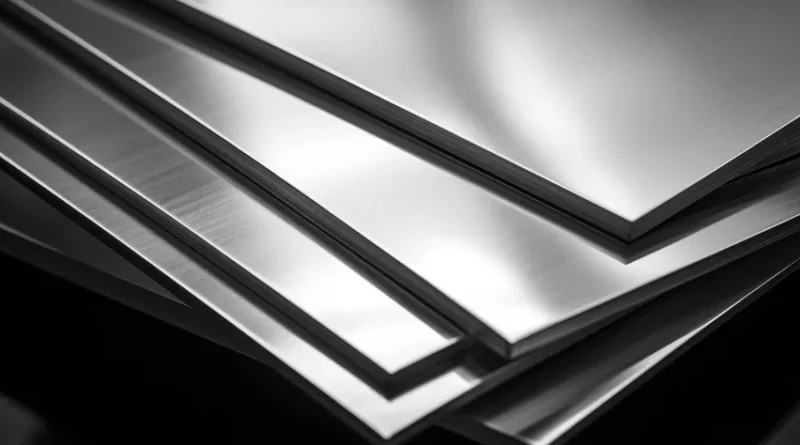
What Makes 304 Stainless Steel Properties Stand Out in Industry
Why Is 304 Stainless Steel Widely Used in Industry?
304 stainless steel stands out as one of the most popular and reliable materials in today’s industries. It mixes solid strength, good protection against rust, and a fair price. This makes it a smart pick for builders and makers. You see it in simple things like kitchen tools all the way to big chemical tanks. That shows how well it fits into many places. I recall a factory tour where they pointed out how this steel holds up in busy spots without much trouble.
Versatile Applications Across Sectors
People use 304 stainless steel a lot in food plants, systems for storing chemicals, and building frames. In food areas, folks like it because it fights off dirt and cleans up fast. And in chemical spots, it stands up to rust and sour stuff, so it lasts a long time. Builders pick it for strong support and nice looks, like in rails you hold or walls on buildings. Take a look at a busy restaurant kitchen—those sinks and counters are often made from this stuff to keep everything safe and tidy.
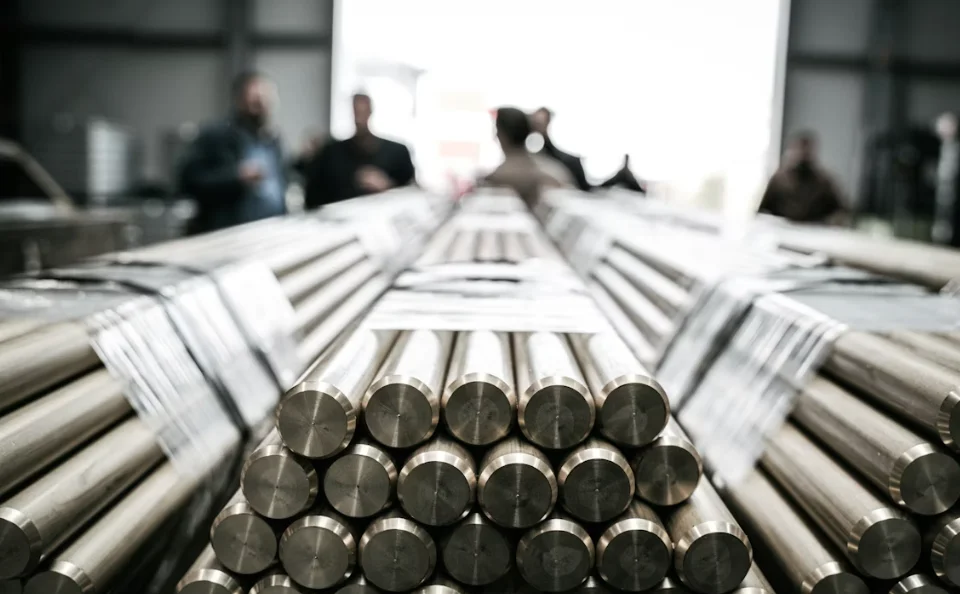
Cost-Effectiveness Compared to Other Alloys
If you stack up the prices against other steel types or those fancy nickel mixes, 304 stainless steel hits a sweet spot. It gives strong guard against rust at a price that won’t break the bank. You don’t need the extra cost of special steels like 316 or duplex ones. This balance lets businesses get tough gear without going over budget. For instance, a small workshop I know switched to it and saved about 20% on materials while keeping things strong.
Ease of Fabrication and Welding
Workers who shape metal like how 304 stainless steel bends and rolls into shapes without a fight. It joins well with common methods like TIG or MIG welding. And it keeps its rust protection and power after. This simple way to make things cuts down on time and money spent. Plus, it holds steady quality in the end products. It’s like piecing together a puzzle that fits just right every time.
What Are the Key Mechanical Properties of 304 Stainless Steel?
The way 304 stainless steel acts under pressure, changing heat, and outside factors sets how dependable it is for factory work. Designers count on these traits when planning setups that need both toughness and long life. It’s not just numbers on a page; these properties show up in real jobs every day.
High Tensile Strength and Durability
Its pull strength sits around 515 MPa, or 75 ksi, most times. So, 304 stainless steel takes a lot of push before it bends out of shape. It fights off scrapes well, which fits parts in machines that rub or bump often. The bendy nature lets it soak up hits without snapping like glass. That helps avoid sudden breaks. Picture a conveyor belt in a plant— this steel keeps it running smooth under constant load.
Superior Corrosion Resistance
The big draw is the chromium inside, about 18%. That builds a thin shield on the outside that stops rust. If something scratches it, the shield grows back on its own. So, it keeps watch in damp spots or places with light acid. No need for extra coats most days. It’s reliable, like a raincoat that patches itself.
Excellent Temperature Resistance
304 stainless steel stays firm across a broad heat range. It works fine in super cold down to -196°C. And it handles hot spells up to 870°C now and then. This suits things like heat swaps, pipe ends on cars, or cold storage tanks with steady heat push. In one project I heard about, they used it for freezer doors that see wild temp swings, and it never let them down.
How Does 304 Stainless Steel Compare to Other Grades?
Stainless types vary based on what they’re made of and what surroundings they face. Looking at them side by side helps pick the best one for the job. It’s like choosing tools from a box—each has its spot.
Differences in Composition with Other Stainless Steels
Next to cheaper ones like 201 or 409 stainless steel, 304 has more chromium and nickel. Those bits boost the fight against rust and steady build. So, it reacts less to air or wet. That extra kick makes a real difference in tough spots. For example, in a humid warehouse, the 304 parts outlast the basic grades by years.
Performance Variations with 316 Stainless Steel
Both 304 and 316 fall in the austenitic group. But 316 adds molybdenum, about 2%, which ups the guard against salt. So, near ocean water or salty mixes, 316 does better than 304. Yet it costs more per weight. If salt isn’t an issue, 304 saves cash without much loss. Think of boat parts—316 shines there, but 304 works fine inland.
Advantages Over Carbon Steel
Carbon steel turns rusty fast in air or water. But 304 stainless steel keeps its shine with little care. No paint or zinc coat needed for safety. And it has a pretty metal glow that fits showy spots like kitchen gear or building panels. It’s low fuss, which busy teams appreciate. I’ve seen old carbon fences fall apart quick, while stainless ones just need a wipe.
What Are the Limitations of Using 304 Stainless Steel?
Even with all its pluses, some setups test 304 stainless steel hard. Spotting these weak points stops early breakdowns in rough places. No material is perfect, right? Knowing the downsides keeps projects on track.
Susceptibility to Chloride Stress Corrosion Cracking
In areas full of salt, like beaches or plants with salt cleaners, 304 can crack under pull over time. This happens a lot above 60°C, where salt slips into tiny surface splits. It’s sneaky and builds slow. To dodge it, teams watch temps and rinse often. One coastal bridge story showed how switching grades fixed the issue after some cracks appeared.
Limitations in High Temperature Applications
It takes moderate heat okay. But long stays over 925°C can cause flaky buildup or weaker spots from carbon bits at grain edges. For steady hot work, something like 310S fits better. So, check your heat needs first. In oven parts, they learned this the hard way once and upgraded.
Potential for Pitting in Saline Environments
It holds off broad rust well. Yet, long touch with sea water might dig small holes on bare spots. Cleaning regular or adding covers stretches its life in salt air. It’s not a deal breaker, just needs attention. Boat owners know to scrub those fittings to keep pits at bay.
How Is the Surface Finish of 304 Stainless Steel Enhanced?
Finishing the outside matters for looks and staying power. Smoothing it out and clearing junk boosts both style and rust fight. It’s a step that pays off in daily use.
Polishing Techniques for Improved Aesthetics
Simple polish ways like rubbing or electric clean give a shiny mirror look. That’s great for fancy spots like lift walls or home kitchen gear. A slick top also cuts germ spots, key for clean rules. It makes things gleam without much effort. Folks in design love how it adds that pro touch.
Passivation Processes for Increased Corrosion Resistance
Passivation uses acid baths like nitric or citric to wash away loose iron from cutting work. This toughens the chromium shield that blocks air rot. It’s a quick dip that adds years. Many shops do it as standard to keep parts safe longer.
Coating Options for Additional Protection
Thin clear covers like varnishes or plastic layers shield from prints, wet, and light scratches. Handy where looks count with work. It keeps the metal fresh. For showroom displays, this extra layer hides everyday marks nicely.
What Role Does 304 Stainless Steel Play in Sustainability Efforts?
Green choices guide picks now, and stainless helps with reuse and long runs. It’s part of bigger eco pushes in factories.
Recyclability of Stainless Steel Materials
Almost all leftover bits from making can melt and remake without drop in quality. This loop cuts trash and saves mine stuff like nickel and chromium. It’s smart for the planet. Recycling plants buzz with old steel turning new, over and over.
Energy Efficiency in Production Processes
New melt ways like electric arcs use less power than old fire ovens. Teams keep tweaking with heat catch systems to reuse warmth in clean steps. It lowers bills and smoke. One mill cut energy by 30% with these changes, they say.
Long Lifespan Reducing Resource Consumption
Parts from 304 last decades, so less swap out means fewer pulls on earth goods. That cuts harm from start to end. It’s like buying once and forgetting repairs. In building, this means less haul to dumps over time.
Why Is Understanding the Properties of 304 Stainless Steel Crucial for Engineers?
For folks in machine build, site plans, or item making, knowing how this steel acts shapes every choice. From figuring loads to setting fix times, it guides smart work. It’s the backbone of good designs.
Importance in Material Selection for Projects
Picking right stuff guarantees it works under real pushes like hold pressure or heat shifts. Grasping 304’s ways avoids pricey fixes in test runs. It saves headaches later. Engineers often start here for safe bets.
Influence on Design Considerations
Its bend lets thinner builds without weak spots. Good for light weight in truck frames or hold tanks where every pound aids goals. It opens doors to sleeker setups. In auto work, this trims fuel use a bit.
Contribution to Innovation and Development
Studying basics like 304 sparks new ideas in coats or mix materials to push limits. It gives a solid start for trials. Progress builds on what we know works. Labs tweak it for tomorrow’s needs, step by step.
FAQ
Q1: What industries commonly use 304 stainless steel?
A: It’s widely used across food processing plants, chemical containers, construction structures, automotive parts, and household appliances due to its cleanliness standards and corrosion protection qualities.
Q2: Can you weld 304 stainless steel easily?
A: Yes. It accepts most conventional welding methods including TIG and MIG while retaining corrosion resistance if post-weld cleaning removes heat tint oxides properly.
Q3: How does it differ chemically from grade 316?
A: Grade 316 includes molybdenum which improves chloride resistance whereas 304 lacks this element but remains more economical for general indoor use.
Q4: What maintenance does polished 304 require?
A: Routine washing with mild detergent prevents residue buildup; abrasive cleaners should be avoided since they can scratch polished surfaces reducing shine over time.
Q5: Is 304 stainless steel environmentally friendly?
A: Absolutely—it’s fully recyclable multiple times without losing quality; plus its long service life minimizes replacement frequency contributing positively toward sustainable manufacturing practices.


