
Is Painting a Filing Cabinet the Smartest Way to Modernize Office Decor
Painting a File Cabinet and Updating it with a Picture Frame
Refreshing an office space often begins with small but visible changes. Painting a filing cabinet, especially when paired with decorative framing or updated hardware, is one of those subtle upgrades that can transform an entire workspace. The process not only extends the life of existing furniture but also aligns it with modern design standards. For professionals managing office aesthetics, repainting rather than replacing offers both financial and environmental benefits while maintaining a cohesive brand image.
The Role of Office Aesthetics in Modern Workspaces
A modern workspace is more than desks and screens; it’s an ecosystem where design directly influences performance and perception. Every color choice, material finish, and layout decision contributes to how employees feel and how clients interpret the company’s identity.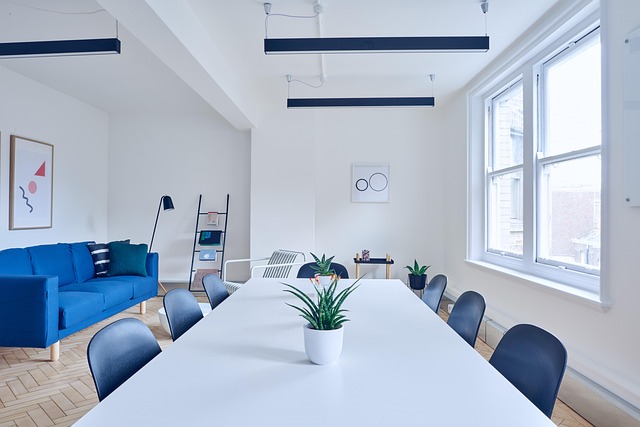
The Connection Between Visual Design and Workplace Productivity
A well-designed office environment enhances focus, creativity, and employee satisfaction. When visual harmony exists—through consistent colors, textures, and lighting—it reinforces professionalism and clarity in brand communication. Conversely, outdated or mismatched furniture can create visual noise that distracts staff and undermines morale. Clients often form first impressions within seconds; faded cabinets or chipped surfaces send signals of neglect that can erode confidence in the organization’s standards.
Why Filing Cabinets Still Matter in the Modern Office
In an era dominated by cloud storage, physical filing systems still play a vital role in compliance-heavy sectors such as finance or law. Filing cabinets remain essential for storing signed contracts, legal records, or confidential documents that must be retained physically. Beyond their utility, cabinets occupy visible space within offices—often near entryways or collaborative zones—making them natural focal points for aesthetic updates. Painting a filing cabinet to match wall tones or accent colors helps integrate function with design intent.
Evaluating the Decision to Paint a Filing Cabinet
Before beginning any refurbishment project, it’s crucial to assess whether painting will deliver both visual improvement and long-term durability. Material type, surface condition, and cost implications all influence this decision.
Assessing Material Suitability and Surface Preparation
Metal cabinets require thorough sanding to remove rust or gloss before applying primer designed for metallic surfaces. Laminate units need light abrasion followed by bonding primers to enhance adhesion. Wooden cabinets demand cleaning to strip oils or waxes that might repel paint layers. Each material responds differently to enamel, epoxy, or powder coat finishes—the choice affects not only appearance but also resistance to scratches and daily wear.
Cost-Benefit Analysis of Painting Versus Replacement
Painting typically costs a fraction of buying new furniture. A mid-sized metal cabinet can be refinished for under one-third the price of replacement while achieving comparable aesthetics. Custom color matching allows integration with evolving brand palettes without full-scale renovation expenses. However, time investment matters: preparation, drying intervals, and protective sealing extend project duration. Factoring labor hours against expected lifespan determines whether repainting remains cost-effective over five years of use.
Design Strategies for Modernizing Through Paint
Painting isn’t just maintenance—it’s design strategy in action. With thoughtful color selection and placement planning, even dated storage units can appear purpose-built for today’s interiors.
Selecting Colors that Align with Brand Identity
Neutral shades such as soft gray or beige maintain flexibility across changing décor trends while supporting minimalist office aesthetics. Accent hues—deep blue for corporate trust or green for sustainability themes—can delineate departments subtly without signage clutter. Finish selection also shapes perception: matte reduces glare under LED lighting common in offices; satin offers slight sheen that resists fingerprints yet feels contemporary.
Integrating Painted Cabinets into Broader Interior Design Themes
A painted filing cabinet should not stand alone visually. Coordinating tones with desk legs or shelving trims ties disparate pieces together into a unified composition. In smaller offices where space feels tight, using lighter shades on cabinets expands perceived openness by reflecting ambient light more efficiently. Designers often pair freshly painted storage units with framed artwork above them—a simple picture frame installation creates vertical balance while adding personality to utilitarian corners.
Environmental and Sustainability Considerations
Modern refurbishment decisions increasingly factor sustainability metrics alongside aesthetics and cost efficiency.
Eco-Friendly Paint Options for Office Furniture Projects
Low-VOC (volatile organic compound) paints minimize harmful emissions during application—a critical factor for indoor air quality compliance under ISO 16000 standards. Water-based formulations further reduce odor intensity and cleanup waste compared with solvent-based products. Repainting existing furniture instead of discarding it prevents landfill accumulation and supports resource conservation goals embedded in most corporate ESG frameworks.
Extending the Lifecycle of Office Furniture Through Refurbishment
Properly maintained painted surfaces last years longer than untreated metal prone to corrosion or laminate susceptible to peeling edges. Applying clear protective coatings shields against abrasion from frequent drawer use while preserving color vibrancy. Scheduled touch-ups every two years sustain appearance without major downtime—a practical embodiment of circular economy principles now promoted across facility management practices worldwide.
Practical Implementation Guidelines for Professionals
Executing painting projects within active offices demands precision planning to avoid operational disruption while achieving professional-grade results.
Preparing an Efficient Workflow for Painting Projects
Work should occur during off-hours or weekends when employee presence is minimal. A controlled environment free from dust ensures smooth coating texture; temporary plastic sheeting isolates work zones effectively at low cost. Adequate ventilation—through open windows or portable extraction fans—is essential during both spraying and drying phases to maintain occupational safety compliance under OSHA indoor air standards.
Measuring Success: Functional and Aesthetic Outcomes
Post-project evaluation includes testing paint adhesion through gentle tape pulls on hidden areas and inspecting uniformity under varied lighting conditions. Beyond technical metrics, gathering employee feedback reveals whether refreshed visuals improved spatial comfort or brand alignment perceptions. Documenting these findings builds internal case studies guiding future refurbishments across other office assets like lockers or conference tables.
FAQ
Q1: How long does paint on a filing cabinet typically last?
A: With proper surface preparation and high-quality enamel paint, finishes can endure five to seven years before noticeable fading or chipping occurs.
Q2: Can spray painting be used instead of brush application?
A: Yes, spray painting provides smoother coverage on metal surfaces but requires controlled airflow areas to prevent overspray contamination.
Q3: What safety measures are necessary when painting indoors?
A: Adequate ventilation, protective masks rated for VOC filtration, and fire-safe storage of solvents are mandatory precautions during indoor projects.
Q4: Are there specific primers recommended for laminate cabinets?
A: Bonding primers formulated for glossy nonporous surfaces work best; they create micro-anchoring layers improving paint grip significantly.
Q5: Is repainting suitable for antique wooden filing cabinets?
A: It depends on structural integrity; if wood remains stable without rot or warping, repainting can restore beauty while preserving historical character through careful color selection aligned with period style.


