
Are SharkBite Valves Truly Reliable Behind the Wall or Just a Risk
3 Myths About Using SharkBite Behind the Wall and Underground
SharkBite fittings have changed how plumbing is done, but their use behind walls and underground still raises debate. The truth is that these push-to-connect valves can perform well in concealed spaces if installed correctly and under specific conditions. They are not a cure-all, yet they are far from unreliable when used within code and manufacturer limits. This article examines their design, reliability, code compliance, and long-term performance to separate myth from fact.
Understanding SharkBite Valves and Their Applications
SharkBite valves are engineered for quick connections without soldering or crimping. Their design appeals to both professional plumbers and skilled homeowners seeking efficiency.
Overview of SharkBite Valve Technology
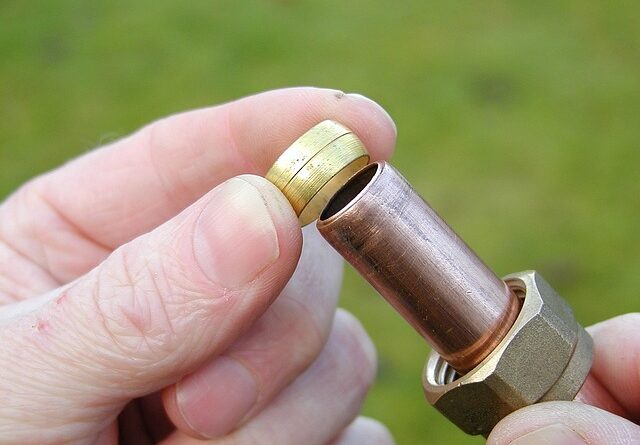
SharkBite fittings use push-to-connect technology compatible with copper, PEX, and CPVC pipes. Inside each fitting, stainless-steel teeth grip the pipe while an O-ring creates a watertight seal. This dual mechanism allows secure connections without heat or specialized tools. In practice, this means that even complex systems in multi-level structures like 2 story home plans can be assembled quickly with minimal disruption to existing finishes.
Common Use Cases in Residential and Commercial Plumbing
These fittings are often used for temporary repairs where time is critical, such as emergency leaks or burst pipes. They also serve retrofit projects involving mixed materials—where copper meets PEX or CPVC—and in confined areas where traditional soldering is impractical. For example, during renovations of older two-story homes, SharkBite valves help reduce downtime while maintaining system integrity.
Evaluating the Reliability of SharkBite Valves Behind Walls
When installed behind walls, reliability depends on both mechanical precision and environmental stability. Missteps during installation can lead to long-term issues that only surface after enclosure.
The Mechanical Integrity of Push-to-Connect Joints
The connection’s strength relies on proper pipe preparation—clean cuts free of burrs and accurate insertion depth ensure the O-ring seats correctly. Any movement or vibration after installation can weaken the seal over time. Professionals often mark insertion depth on each pipe before connecting to verify full engagement, a step critical for concealed installations.
Environmental Factors Affecting Long-Term Performance
Temperature swings can cause expansion and contraction in both metal and plastic pipes, stressing the O-ring seal. High chlorine levels or chemical exposure may degrade rubber components faster than expected. Additionally, pressure fluctuations from municipal supply changes can test the joint’s resilience. For long-term reliability behind walls, stable water chemistry and consistent pressure are key.
Code Compliance and Manufacturer Guidelines
Before enclosing any push-fit fitting, installers must confirm compliance with local codes and manufacturer instructions. These determine whether a concealed installation is legally acceptable.
Building Code Considerations for Concealed Installations
Some jurisdictions allow push-fit fittings behind walls only if an access panel remains available for inspection or maintenance. Others restrict their use entirely in concealed spaces for permanent installations. Commercial codes tend to be stricter than residential ones due to higher pressure demands and liability concerns.
Manufacturer Recommendations and Warranty Limitations
Manufacturers specify conditions under which behind-wall use is permitted—typically requiring adherence to depth gauges, cleaning standards, and pressure testing before enclosure. Failure to follow these steps may void warranties if leaks occur later. Proper documentation of these checks supports both warranty claims and compliance audits.
Comparing SharkBite Valves with Traditional Connection Methods
While SharkBite offers convenience, traditional methods still dominate certain applications due to proven durability under extreme conditions.
Soldered Copper Joints vs. Push-Fit Systems
Soldered joints provide permanent metal-to-metal seals ideal for high-pressure or concealed installations where inspection access is limited. However, soldering requires open flames—a fire hazard in finished structures—and longer labor times. Push-fit systems eliminate those risks but rely on mechanical seals that may need periodic verification.
Crimped PEX Connections as an Alternative Solution
PEX crimp or expansion systems deliver consistent results when installed with calibrated tools. Though initial tool investment is higher than push-fit fittings, the long-term reliability often justifies it for large-scale projects like multi-unit housing or two-story home remodels where hidden lines are common.
Risk Mitigation Strategies When Using SharkBite Valves Behind Walls
Proper quality control during installation greatly reduces risk when using SharkBite fittings in concealed locations.
Best Practices for Installation Quality Assurance
Pressure testing should always precede wall closure to confirm leak-free performance under operating pressure conditions. Installers should deburr pipe ends carefully using dedicated tools and verify insertion depth with gauges provided by the manufacturer. Adding moisture sensors near enclosed connections offers early detection if a leak ever develops later.
Situations Where SharkBite Fittings May Be Justified Behind Walls
They can be justified temporarily during phased renovations awaiting full system upgrades or in non-critical supply lines accessible from nearby panels. Projects requiring rapid turnaround—such as restoring service after unexpected damage—also benefit from their speed when used under controlled conditions.
Professional Perspectives on Long-Term Reliability and Maintenance Planning
Industry experts often view SharkBite fittings as reliable within defined boundaries but caution against misuse in inaccessible zones without proper safeguards.
Insights from Plumbing Engineers and Inspectors
Engineers report most failures stem from improper pipe preparation rather than product defects—burrs cutting into O-rings or incomplete insertion depths being common culprits. Inspectors emphasize balancing convenience with risk management: use them where accessibility remains possible or monitoring systems exist behind finishes.
Developing a Maintenance Protocol for Concealed Plumbing Systems
For any concealed plumbing—push-fit or otherwise—maintenance planning matters as much as installation quality. Integrating leak detection sensors into wall assemblies helps catch issues early before structural damage occurs. Regular pressure checks at scheduled intervals verify ongoing system integrity over time while keeping warranty coverage valid through documented records.
FAQ
Q1: Are SharkBite valves approved for behind-the-wall installations?
A: Many building codes permit them if access panels remain available; however, some regions restrict their use entirely in hidden spaces without inspection capability.
Q2: How long do SharkBite fittings typically last?
A: When properly installed on clean pipes within recommended temperature and pressure ranges, they can last decades comparable to traditional joints.
Q3: Can these valves handle high water pressure?
A: Yes, most are rated up to 200 psi at standard temperatures but should always be verified against manufacturer specifications before installation behind walls.
Q4: What maintenance steps help extend fitting life?
A: Periodic system pressure tests, stable water chemistry control, and avoiding mechanical stress on connected pipes all contribute to extended service life.
Q5: Are they suitable for underground applications?
A: Only certain models rated for burial should be used underground; others require protective sleeves or enclosures per manufacturer instructions to prevent corrosion or soil contamination effects.


