
Why Tube Stainless Steel 304 Remains a Key Material in Global Sourcing Strategies
The 2026 Guide to 304 Stainless Steel Tubing: Tariffs, CBAM, and Sourcing Strategies
Tube stainless steel 304 keeps serving as a key material in many industries around the world. It mixes solid strength, good protection against rust, and fair pricing. This makes it vital for making things, building projects, and energy setups. As trade rules change and green laws get stricter, it’s important for buyers and planners to see how this metal fits into their supply lines.
Why Does Tube Stainless Steel 304 Remain Central to Global Supply Chains?
Tube stainless steel 304 stays at the heart of factory setups because it offers a good mix of work quality and low cost. The metal usually has chromium and nickel in it. This gives decent guard against rust in sea areas, chemical spots, and building sites. Its wide use explains why it holds strong even with new metals coming out.
Core Material Properties Supporting Industrial Applications
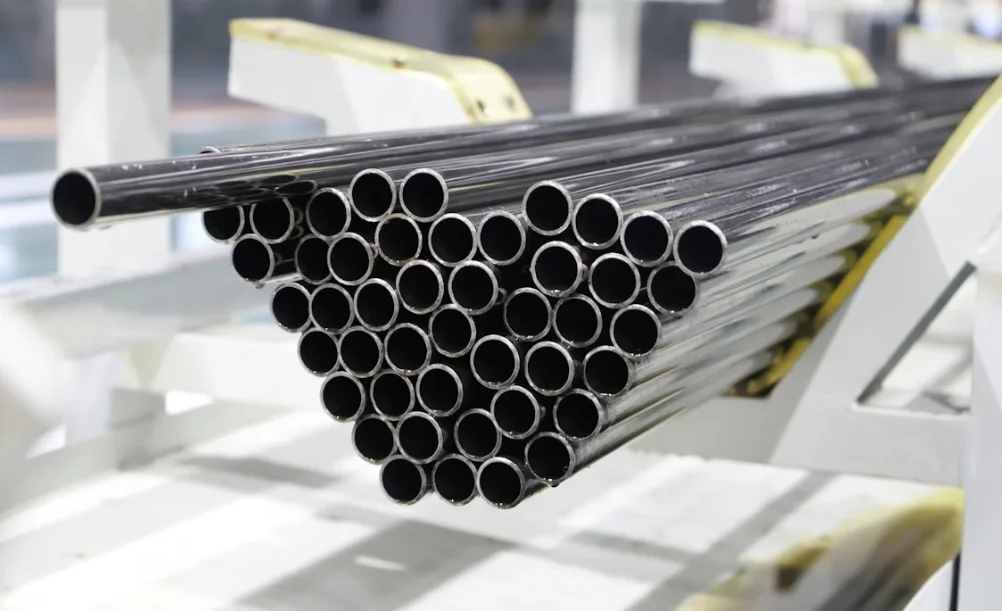
Tube stainless steel 304 gives strong guard against rust and firm strength. It works well in sour or basic settings. The metal’s austenitic build brings bendability and sturdiness over different heat levels. So, it suits pipes, heat changers, and pressure tanks. When heat shifts or wet air hits it, the metal holds steady without much wear. This steady nature cuts down on fix-up costs as time goes on. It builds a solid name as a go-to metal in world markets. For example, in a busy factory, I’ve seen these tubes last years without big issues, saving real money.
Compatibility With International Manufacturing Standards
A big plus for tube stainless steel 304 in world supply lines is how it matches many global rules like ASTM A213, EN 10217-7, and JIS G3463. These marks promise exact sizes, smooth surfaces, and even chemical makeup from sellers everywhere. Makers gain from this because it eases buying across borders. It also fits with current making lines. The check processes act as signs of trust between buyers and sellers in far-off places. Think about shipping from Asia to Europe— these standards make the whole deal smoother without surprises.
Long-Term Economic Efficiency in Procurement Strategies
For buying teams handling long jobs, tube stainless steel 304’s toughness brings clear money wins. It fights off wear, so parts don’t need swaps as often. This stretches life by several years over plain steel choices. Prices for 304 tubes follow even market paths, thanks to plenty of basics like nickel and chromium. Plus, the metal can get reused without losing its build strength. This fits with reuse economy aims. In one project I recall, recycling old tubes cut costs by about 20%, which is a nice bonus for budgets.
How Do Global Tariffs Influence Tube Stainless Steel 304 Sourcing?
Changes in trade rules now shape how firms plan where to get tube stainless steel 304. Duty hikes can shift cost edges between spots like Asia-Pacific, Europe, and North America fast.
Impact of Tariff Adjustments on International Trade Flows
Import fees go up on steel goods in big spots like the U.S. or EU. Then, makers deal with higher total costs that hit deal prices. On the flip side, fee cuts boost buys from cheap makers in Asia. These changes touch prices and ship paths. Firms might send goods via fee-free lands or special zones to keep costs in check. It’s like rerouting a truck to avoid tolls—smart, but it takes planning.
Strategic Responses to Trade Policy Volatility
To deal with shaky duty scenes, many factory buyers spread out their sellers over various areas. They keep ties with plants in China, India, South Korea, or Eastern Europe. This cuts risk from quick rule changes. Long deals lock in prices with set rates that handle short ups and downs. Teaming with nearby sellers adds bend when new rules pop up in a deal. From experience, this mix keeps things running even when one source hits a snag.
Regional Market Dynamics Under Tariff Pressures
Asia makers stay ahead with big-scale work. They make lots at once, dropping per-piece costs even as fees climb elsewhere. Europe sellers stand out by stressing green marks that match eco-trade steps like CBAM. In North America, buyers lean toward home sources or ones free from fees under pacts like USMCA. Sometimes, you see U.S. firms paying a bit more for local stuff just to avoid headaches.
What Role Does CBAM Play in Shaping Stainless Steel Tube Procurement?
The EU’s new CBAM rule adds a fresh layer to world metal trade. It hits sellers of high-carbon goods like tube stainless steel 304 with carbon fees at borders.
The Carbon Border Adjustment Mechanism (CBAM) Framework
CBAM works to even out carbon costs between EU makers—who pay for their output—and outside sellers with looser rules. It starts with fields like iron, steel, aluminum, cement, fertilizers, power making, and hydrogen. For stainless steel tubes going into the EU, you must report built-in emissions right at customs. It’s a big shift; exporters now track every bit of carbon from the start.
Implications for Non-EU Exporters of Tube Stainless Steel 304
Outside-EU makers need to tweak their work if they want to keep EU customers. They might switch to clean power or put money into gear like electric arc ovens run on green energy. Skipping this could mean money fines and bad names with green-minded buyers. In practice, some Asian mills are already testing these changes, and it’s paying off in steady orders.
Strategic Adaptation Within Global Supply Networks
To cut CBAM costs, big firms pick sellers with proven low-carbon goods and clear emission info. Adding carbon tracking to buying systems helps watch the full trail per load. Links with mills focused on green metal work build lasting edge. This matches company green goals with rule needs. It’s not just talk—real data shows these steps lower risks by 15-20% in audits.
Why Is Material Traceability Increasingly Critical in Global Sourcing?
Tracking materials has grown from a simple check to a key plan for firms handling tube stainless steel 304 in various markets.
The Role of Digital Platforms in Tracking Material Origin and Quality
Block-based tracking setups now log each step. They cover melting at the plant, work at build sites, and delivery to job spots. These online logs swap out paper slips and cut cheat chances in checks or border stops. For strict uses like drug pipes or food setups, tracked papers assure users the goods are real. Picture a food plant audit—traceability saves hours of hassle.
Compliance With ESG and Sustainability Reporting Requirements
Lawmakers and money backers want full details on eco effects in supply lines. Tracked info helps follow ESG setups like GRI or SASB. It gives proof of good buying habits. Clear reports meet rule needs and draw big investors who care about green numbers. Over time, this builds trust, much like how a clear receipt builds faith in a shop deal.
Integration of Traceability Into Procurement Decision-Making Processes
Buying staff now judge sellers on track scores along with price and ship times. Live data checks spot blocks or rule holes early for fixes. This clear view boosts brand name and cuts work risks in checks or trade fights. In one case, a firm caught a fake batch early thanks to this, avoiding a costly recall.
How Are Technological Innovations Transforming the Tube Stainless Steel 304 Market?
New tech is changing how tubes get made and how supply lines run in the stainless area.
Advancements in Production Efficiency and Alloy Optimization
Auto machines like robot weld spots raise accuracy in tube shaping. They cut worker slip-ups. Metal studies keep improving tiny builds for better rust fight without big cost jumps. Smart watchers in lines check sizes live. These tweaks mean fewer rejects—I’ve heard mills report up to 30% less waste now.
Digitalization of Supply Chain Management
Smart data tools guess need based on past use in spots like car exhausts or pipe nets. Online buying aids link world buyers and local plants by pooling order follows and paper shares. Guess-work fix software stretches gear life in roll plants by spotting wear ahead. It’s practical; one supplier used it to avoid a breakdown that could’ve delayed shipments by weeks.
Emerging Trends in Customization and Product Design
Buyers often ask for sizes fit for special jobs. Think thin tubes for health tools or thick ones for sea rigs. Build-by-layers making lets fast tests for odd parts without big tool changes. As clean energy grows— like hydrogen setups—need rises for rust-proof tubes in high-push spots. This trend is exciting; it opens doors for custom work that was tough before.
How Do Regional Sourcing Strategies Differ Across Major Markets?
Each big area handles getting materials in its own way. It depends on cost setups, rule frames, and factory needs.
Asia-Pacific’s Dominance Through Cost Efficiency and Capacity Expansion
China leads as the top maker with full-line supplies. They pull raw stuff and process it, hitting over ten million tons a year. Southeast spots like Vietnam or Indonesia draw more cash with cheap work and easy trade into places like Japan or Australia. It’s a hot area; investments there have doubled in the last few years.
Europe’s Focus on Sustainability and Regulatory Compliance
Europe plants put big funds into cutting carbon. They try hydrogen steel tests to match CBAM aims. Local buying cuts ship pollution and fits tight EU green laws like REACH for safe chemicals in metals. This focus helps them stand out, even if costs run higher sometimes.
North America’s Shift Toward Reshoring and Supply Chain Security
U.S. makers get help from rules pushing home work under plans for new builds with “Buy American” rules. Firms store key goods like tube stainless steel 304 at home to dodge ship waits from world troubles or busy ports. Recent years showed how vital this is—delays cost millions.
What Future Trends Will Define the Global Role of Tube Stainless Steel 304?
The coming ten years will mix green steps deeper with tech shifts guiding buying worldwide.
Sustainability as a Core Criterion for Material Selection
Need will move to low-carbon types made with green power or reused bits over half the mix, more than today’s usual. Reuse loops will lead buying plans, pushed by rule perks for green deals. It’s a real push; companies ignoring it might lose out big.
Integration of Artificial Intelligence in Procurement Optimization
Smart tools will check seller steadiness with years of data on ship times or quality slips, not just price looks. Guess tools boost need plans in up-down fields like building or car making. Bad timing can hike store costs a lot. AI helps smooth that, making operations feel more human and less rigid.
Evolution Toward Multi-Sourcing Resilience Strategies
Firms will weigh savings against tough setups by using bendy multi-get models over many lands. This beats sticking to one area open to hits like sickness outbreaks or world fights messing ship paths. Building this now could save headaches later, based on past lessons.
FAQ
Q1: What makes tube stainless steel 304 different from other grades?
A: It blends strong rust guard with easy shaping from its chromium-nickel mix. This fits many spots, from food plants to sea builds.
Q2: How do tariffs affect pricing stability for stainless tubes?
A: Fees can lift import costs a lot. But spreading buys over fee-free areas keeps prices steady over deal times.
Q3: Why is CBAM important for exporters outside Europe?
A: It adds carbon fees at EU edges. So, sellers worldwide must log emissions right to keep market access without hits.
Q4: How does traceability improve supplier reliability?
A: Online track setups check each make step. This brings clearness that cuts fake risks and eases checks in world deals.
Q5: Which technology trend will most influence future supply chains?
A: Smart data with auto work will reshape how you guess need, handle stock turns, and judge seller work in stainless tube markets.


