
Are Lag Bolts vs Lag Screws Technically Different in Structural Applications
Defining Lag Bolts and Lag Screws in Structural Engineering
Lag bolts and lag screws are both heavy-duty fasteners used in structural engineering, particularly for wood construction and hybrid assemblies. You might have noticed that these two terms are often used interchangeably, yet their subtle distinctions can influence design decisions, performance expectations, and even code compliance. This section explores how the terminology evolved, what materials define these fasteners, and how manufacturing standards distinguish one from the other.
Historical Context and Terminology Evolution
The terms “lag bolt” and “lag screw” date back to early timber construction in Europe. The word “lag” originally referred to stave or stave-like boards used in barrel making, where heavy threaded fasteners secured thick wooden planks. Over time, the same type of fastener found use in large timber joints, leading builders to call them lag screws or lag bolts depending on local convention. In North America, carpenters tended to prefer “lag screw,” while industrial catalogs leaned toward “lag bolt.”
Regional dialects and trade practices played a major role in shaping this interchangeable usage. In mechanical drafting manuals from the mid-20th century, both terms appeared side by side with minimal distinction. However, as structural codes matured, organizations such as ASTM and ISO began efforts to standardize terminology. ASTM A307 covers carbon steel bolts and screws with similar geometries but distinct thread classifications, while ISO 898 defines mechanical properties for metric bolts that overlap with lag-type designs.
Material Composition and Manufacturing Standards
Lag bolts are typically made from medium-carbon steel or stainless steel for corrosion resistance. Galvanized coatings remain common when the fasteners are exposed to moisture or outdoor environments. Manufacturing tolerances differ slightly between bolts and screws: bolts often require tighter dimensional control due to their use with nuts or washers, whereas lag screws rely on direct engagement into wood fibers.
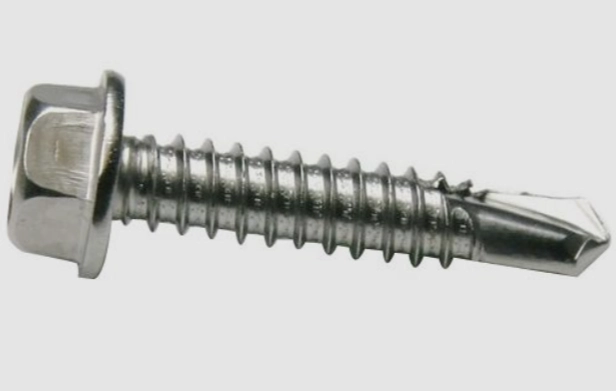
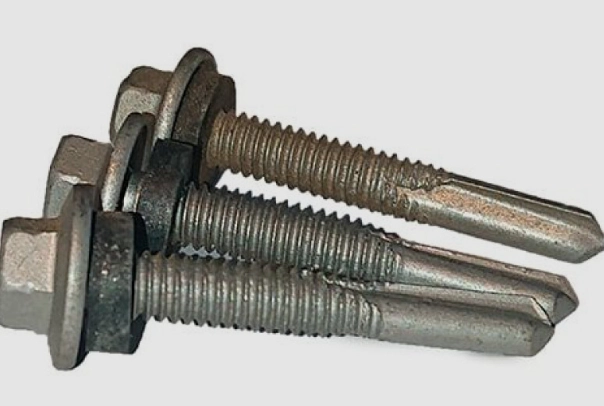
Thread geometry plays a crucial role in load performance. Coarse threads on lag screws allow deeper penetration into softwood without stripping fibers, while partially threaded lag bolts provide unthreaded shank sections that improve clamping force between connected members. These design nuances affect assembly precision—especially when torque-controlled installation is required for structural reliability.
Mechanical Characteristics and Functional Differences
In practice, engineers must consider not only what a lag bolt looks like but also how it behaves under stress. The mechanical performance of these fasteners depends largely on thread design, head geometry, and installation technique.
Thread Design and Load Transfer Mechanisms
Coarse-threaded lag screws feature deep helical profiles that maximize frictional grip within timber substrates. Partially threaded lag bolts concentrate load transfer near the head region, improving shear resistance across joint interfaces. The difference becomes significant when analyzing pull-out resistance: longer thread engagement increases holding capacity but may reduce shear strength if overdriven.
Pilot hole size directly affects joint integrity. A hole too small risks splitting dense wood species; too large reduces thread engagement area. Engineers often specify pilot holes at 60–75% of the minor diameter of the screw for optimal balance between torque application and material preservation.
Head Geometry and Torque Application
Common head types include hexagonal heads for wrench-driven torque control, square heads for traditional hand tools, and flanged heads for distributing compressive loads more evenly across surfaces. Some proprietary designs integrate washer-like flanges to prevent embedment into softer woods during tightening.
Torque distribution depends heavily on head geometry. A hex head allows consistent torque transfer using powered drivers without cam-out risk—a frequent issue with slotted or recessed heads. Installation speed also varies: powered impact drivers deliver rapid seating but can induce excessive torque if not monitored carefully.
Standards and Engineering Classifications
Structural engineers rely on precise definitions when specifying fasteners in drawings or reports. The distinction between a bolt and a screw is not merely linguistic—it determines compliance with national codes and inspection requirements.
Industry Definitions According to Codes and Specifications
ANSI/ASME B18 standards classify bolts as externally threaded fasteners designed for use with nuts or tapped holes where tension is applied through tightening torque on the nut side. Screws are defined as externally threaded fasteners capable of forming or mating with an internal thread directly within the material they penetrate.
ASTM A307 covers low-carbon steel bolts suitable for general-purpose applications but excludes self-tapping forms such as lag screws from its scope. Higher-strength categories like ASTM A325 apply to structural connections using pre-tensioned bolts rather than wood-threaded types. On engineering drawings, you’ll often see “lag screw” specified when direct embedding into wood is intended—“lag bolt” appears more frequently where washers or metal interfaces exist.
Inspection, Testing, and Certification Practices
Quality control involves tensile testing to verify ultimate strength values per ASTM F606 protocols, hardness testing using Rockwell scales for material consistency, and fatigue testing under cyclic loads when used in dynamic structures like bridges or towers. Dimensional verification ensures compliance with nominal diameters and thread pitches listed in ASME B1 series tables.
Batch production undergoes visual inspection for coating uniformity—zinc thickness measurements confirm galvanization quality—and sampling plans per ISO 2859 guide acceptance criteria before shipment to job sites.
Structural Applications Across Materials and Systems
Lag bolts perform differently depending on what materials they connect. Wood framing remains their most common domain, though modern hybrid systems increasingly integrate steel brackets or composite panels requiring specialized consideration.
Performance in Wood-to-Wood Connections
In timber framing applications, lag screws provide excellent withdrawal resistance due to their coarse threads biting deep into grain fibers. However, wood density significantly affects performance: dense hardwoods offer higher holding strength than softwoods but demand larger pilot holes to prevent splitting.
Moisture content also matters; wet lumber can compress under load over time, leading to reduced clamping pressure unless washers are used to spread forces evenly. Best practice recommends pre-drilling pilot holes slightly smaller than thread root diameter while maintaining alignment along grain direction to avoid cracking during tightening.
Integration with Metal or Composite Assemblies
When attaching steel plates or brackets to wooden members using lag bolts, corrosion potential at dissimilar metal interfaces must be addressed through galvanic isolation—often achieved by nylon washers or zinc coatings. In composite systems such as fiber-reinforced panels mounted onto timber frames, spacers help distribute compressive forces uniformly across contact areas while preventing localized crushing around bolt heads.
Practical Considerations in Design Specification
Choosing between a lag bolt and a lag screw goes beyond semantics—it affects load path behavior, installation logistics, maintenance intervals, and cost efficiency throughout a project’s lifecycle.
Selecting Between Lag Bolts and Lag Screws for Structural Loads
Selection depends on whether your connection primarily experiences shear (favoring partially threaded bolts) or tension (favoring fully threaded screws). Environmental exposure dictates material choice; stainless variants resist coastal humidity better than plain carbon steel alternatives.
Accessibility influences tool selection—tight spaces may restrict wrench clearance needed for hex-head bolts but accommodate driver bits suited for screws instead. Procurement teams often weigh availability against specification stringency; galvanized lag bolts might be cheaper but less precise dimensionally compared with machined stainless options.
Installation Techniques Affecting Long-Term Reliability
Torque control remains critical during assembly since overtightening can strip threads or crush wood fibers beneath washers. Lubrication compounds like beeswax reduce frictional heating during high-torque installations without compromising holding power—particularly useful in hardwood applications where dry driving risks galling threads.
Routine inspections every few years help detect loosening caused by seasonal expansion cycles or vibration fatigue near machinery mounts; retightening schedules preserve preload integrity over decades of service life.
Engineering Perspectives on Terminological Precision
Precision in language prevents costly miscommunication across disciplines—from architects drafting connection details to procurement officers ordering hardware from suppliers halfway across the world.
When the Distinction Matters in Technical Communication
On architectural blueprints labeled “lag bolt,” contractors might mistakenly substitute machine-threaded hardware incompatible with timber joints if terminology isn’t clarified early. Structural engineers coordinating with mechanical teams must specify both geometry (thread type) and function (bearing vs self-tapping) explicitly within notes sections of drawings to avoid ambiguity during fabrication reviews.
Cross-disciplinary projects amplify confusion: mechanical designers accustomed to machine screws may misinterpret “bolt” specifications unless accompanied by reference standards like ASME B18 definitions embedded within documentation templates used across firms.
Future Trends Toward Unified Fastener Classification Systems
Global standardization bodies continue working toward harmonized definitions bridging metric–imperial terminology gaps through digital modeling databases linking CAD attributes directly with ISO property classes rather than colloquial names like “lag bolt.” Advances in materials science—such as fiber-reinforced polymer shanks replacing metal cores—may eventually blur traditional boundaries altogether by introducing hybrid fasteners optimized through computational design rather than legacy naming conventions inherited from woodworking traditions centuries old.
FAQ
Q1: What is the main difference between a lag bolt and a lag screw?
A: Lag bolts usually have partial threads designed for use with washers or metal components; lag screws have full coarse threads meant for direct embedding into wood without nuts.
Q2: Are lag bolts suitable for outdoor use?
A: Yes, especially when made from stainless steel or hot-dip galvanized carbon steel that resists corrosion under moisture exposure conditions common outdoors.
Q3: How should pilot holes be sized before installing lag screws?
A: Pilot holes should generally measure about 60–75% of the screw’s minor diameter depending on wood density to balance grip strength against splitting risk.
Q4: Can power tools damage lag bolts during installation?
A: Excessive torque from impact drivers can overstress threads or crush surrounding material; using torque-limiting settings prevents such damage effectively.
Q5: Do building codes differentiate between these two terms?
A: Yes; ANSI/ASME standards define functional differences based on threading method—bolts pair with nuts while screws form their own mating threads within substrates—which affects code classification accordingly.


