
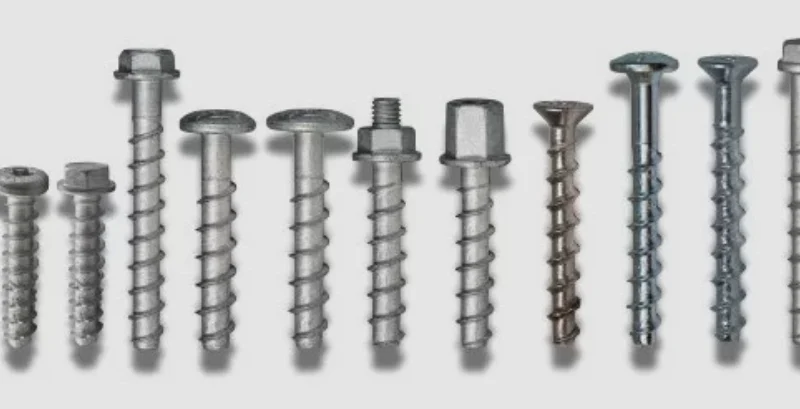
What Makes Concrete Screws the Reliable Choice for Structural Anchoring
The Role of Concrete Screws in Structural Anchoring
Concrete screws have become a common pick for structural anchoring in commercial and industrial building projects. They provide a straightforward way to fasten things directly. This skips the need for spreading forces or waiting for glue to dry. This piece looks into how these fasteners work. It also covers what influences their strength and errors to steer clear of when putting them in. For engineers and workers on site, understanding small differences in design and materials can separate a solid hold from an early breakdown. I’ve seen jobs where a tiny oversight led to big headaches later.

Defining Concrete Screeds and Their Engineering Purpose
Concrete screws are mechanical fasteners built to secure parts into masonry, concrete, or like materials. They differ from expansion anchors that push outward against the hole sides. Instead, these screws get their grip by threading into the base material. The twisted threads dig into the surface as you turn them. This creates a tight mechanical link that passes the weight right to the nearby concrete.
This way of moving loads sets them apart from chemical anchors too. Chemical setups use sticky stuff like epoxy or polyester resin to stick metal to concrete. Concrete screws depend only on shape and rubbing resistance. That’s why you can put them in fast and take them out without harming the base. This helps a lot in short-term or flexible setups. For example, on a construction site, you might need to adjust something quickly without messing up the wall.
Material Composition and Design Characteristics
Most concrete screws come from tough carbon steel or stainless steel. The carbon steel kinds usually get a layer of zinc plating or special ceramic covers to fight rust in everyday settings. Stainless steel ones go into places with lots of water or salt, like buildings by the sea or plants handling waste water.
The shape of the threads matters a great deal for pull-out power and how they handle twisting force. Threads that go deeper touch more of the surface. This boosts the hold but also means you need more turning power to drive them. Engineers often pick screws with a good mix of spacing and side angles for the job at hand.
Heads come in different styles as well. Hex heads work well for jobs needing lots of turning power. Flat heads fit smooth into sunk holes for a clean look. Pan heads suit easy jobs where looks don’t count much, but getting to them does.
Performance Factors That Make Concrete Screws Reliable
How well concrete screws do relies on their fit with the base and the weather around them. Their dependability comes from careful thread shapes, right burial depth, and lasting material strength over time. In practice, I’ve noticed that skipping these basics can turn a simple fix into a real problem.
Load-Bearing Capacity and Shear Resistance
A screw’s skill at holding weight hinges mainly on how its threads spread out the pressure in the concrete. An even path for loads cuts down on crushing in one spot around the threads. It also stops tiny cracks from forming under pulling forces. The depth of burial plays a big part in fighting pull-out. The further the screw goes into good concrete, the better it stands up to yanking forces.
But going too deep past what’s suggested doesn’t always help more. It might demand too much turning force or even break the head while putting it in. The strength of the concrete it’s going into counts too. A screw in 40 MPa concrete will do much better than one in 20 MPa stuff under the same setup. Think about a bridge support—stronger concrete there means the screws hold up under heavy traffic day after day.
Durability Under Environmental Stressors
Fighting rust is key when fasteners face damp air, road salt, or chemical smells. Stainless steel types like A4 (316) offer top-notch guard against wear compared to covered carbon steels. But they cost more. In tough factory air rated under ISO 9223 C4–C5 levels, extra surface fixes might be needed.
When loads come and go, like shakes from machines, fighting tiredness is vital. Keeping screws spaced right spreads out the moving stresses across the whole link. Over many years, properly placed concrete screws stay steady better than some glue anchors. Those can wear out from old resin or hot-cold changes. On one project I recall, vibrations from a nearby pump tested these screws hard, but they held firm.
Applications Across Structural and Industrial Contexts
Concrete screws fill many jobs in building fields. They go from holding wall brackets to locking down big machine parts. Their flexibility makes them a must-have where quick setup meets strong needs. It’s handy how they adapt to different spots without much fuss.
Use in Reinforced Concrete Structures
In strong slabs or beams with metal bars inside, these fasteners attach steel sheets, pipe holders, or wire trays. They do this without hurting the bars underneath. When used with added bar systems after building, they let you update old structures in pieces. This skips big drilling or filling work. For short-term mold setups, crews like them too. You can pull the screws out later without bumps or wide holes left behind. Imagine setting up forms for a pour—easy in and out saves time on tight schedules.
Implementation in Masonry and Precast Components
For brick walls, solid or with empty spaces, the screw kind has to fit the material’s firmness. Rough-thread types grab better in light blocks. They dig deeper into softer spots. Fine-thread ones work in tight stone where exact fit counts over deep bite. In ready-made panels for walls or covers, self-cutting designs make on-site tweaks simple during lining up. Workers often swear by them for last-minute changes that keep the project moving.
Integration in Mechanical and Electrical Installations
HVAC workers count on concrete screws to hang air units or pipe frames on ceilings. Here, soaking up shakes is important. Electric pros use them to fix power boxes or pipe ties. They allow fast moves if plans shift during the work. Right spacing stops loosening from shakes. This matters a lot near pumps or spinning parts. In a factory setup, for instance, these screws kept everything steady despite constant hum from equipment running 24/7.
Technical Considerations During Installation
How well you install decides if book strengths turn into real safety buffers. Every part, from making holes to turning force, shapes the results in ways you can measure. Getting this right isn’t always straightforward, especially on rushed days.
Substrate Preparation and Hole Drilling Requirements
Picking the right drill bit size is vital. It’s usually a bit smaller than the screw’s main size. This lets threads cut strong into the hole sides. Old or dull bits make holes too big by mistake. That can cut holding power by as much as 30 percent. After drilling, clear out dust with air blasts or sucking tools. This makes sure threads touch fully. Leftover bits can slide like oil and weaken the rub grip. I’ve learned the hard way that skipping cleanup leads to weak spots nobody sees until tested.
Torque Application and Depth Control
Put on turning force within the maker’s set limits. This stops pushing too hard, which could strip threads in the hole or break heads under pull. Depth tools keep burial even. So each screw pulls its weight the same in a row of links. This detail gets missed on busy sites. But it’s key for smooth work across the board.
Verification Through On-Site Testing Procedures
Pull tests check if placed anchors hit what the plans call for. They base this on real site facts, not just book numbers. Note down things like bit size, burial depth, turning force used, and pull results. This gives proof for checks later on big jobs like bridges or factories. Doing a few extra tests early can spot issues before they blow up the budget.
Common Mistakes and How to Avoid Them in Practice
Even pros slip up sometimes. These slips can hurt how well anchors hold. Spotting these traps helps teams keep steady outcomes. It’s those little things that separate good work from great.
Incorrect Hole Sizing or Drilling Technique
Holes that are too big cut down the rub area between screw threads and hole sides a lot. This leads to sliding early under weight. Skip hammer-drill modes unless told to use them. They crack the nearby material and make tiny empty spots that weaken the whole thing.
Misalignment During Screw Insertion
Turning at a slant, not straight on, brings uneven pull. This piles stress on one side of the hole. It causes off-balance side forces. Guide tubes during setup lower this chance. They’re extra useful when working up high, where keeping straight is tough.
Neglecting Environmental Protection Measures
Plain carbon-steel screws outside draw rust fast. It spreads along splits in months, especially by salty coasts. Pick covers that match the air type per ISO 9223 rules. This stretches use time a lot without big extra spend over full stainless picks. One site near the ocean taught me that—rust hit quick without the right prep.
Advancements in Concrete Screw Technology and Standards Compliance
New steps forward have made these screws easier to use and stronger over time. World rules help pros pick items with trust across places. It’s exciting how tech keeps improving what we rely on daily.
Innovations in Thread Geometry and Coating Systems
Makers now make two-part thread screws. They mix rough outside edges for quick cutting with tight inside threads for better hold once in place. Fresh cover systems from zinc-flake mixes give strong rust fight. Yet they keep steady turning feel even after many tries. Site bosses often point this out during update jobs. It really cuts down on redo work.
Compliance with International Standards and Testing Protocols
Items with ETA (European Technical Assessment) stamps or ICC-ES okay ensure they pass hard checks. These cover pull strength, side space rules, quake actions, and fire tests. Such stamps let planners know anchors will act as expected in models from known building rules. Not just seller promises. Relying on these has saved many a project from surprises down the line.
FAQ
Q1: What differentiates concrete screws from expansion anchors?
A: Concrete screws form mechanical interlocks through thread cutting rather than exerting radial pressure like expansion anchors do; this allows easier removal without damaging substrates.
Q2: How deep should a concrete screw be embedded?
A: Typically 4–6 times its diameter depending on load requirements; deeper embedment increases pull-out strength but excessive depth may cause over-torque issues.
Q3: Can you reuse a hole after removing a screw?
A: Generally not recommended because previous threads leave damaged surfaces reducing grip; if reuse is necessary insert slightly larger diameter fastener after cleaning debris thoroughly.
Q4: Which coating suits outdoor applications best?
A: Zinc-flake coatings provide strong corrosion protection at moderate cost while stainless-steel grades like A4 remain ideal for marine environments requiring maximum durability.
Q5: How is field testing performed?
A: Pull-out tests using calibrated hydraulic equipment measure actual holding capacity per anchor location ensuring conformity with design loads before full-scale use begins.


