
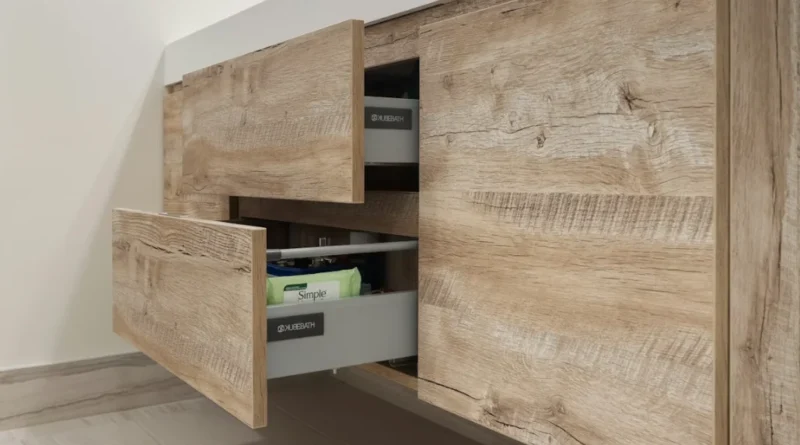
Are Undermount Drawer Slides the Key to Heavy-Duty Kitchen Drawer Performance
What Defines Heavy-Duty Performance in Undermount Drawer Slides?
Heavy-duty undermount drawer slides get built to handle big weights. They keep smooth movement too. For folks making deep kitchen drawers, “heavy-duty” means more than just holding lots of weight. It covers how well the slide works under pressure. This lasts for many years of everyday use.
Load Capacity and Structural Integrity
The main clue for a heavy-duty slide is its load limit. Most slides that hold over 100 pounds count as heavy-duty. Some work types push past 200 pounds. The thickness of the steel and the slide itself affect strength a lot. Thicker cold-rolled steel gives solid support. Hardened ball bearings spread the weight nicely along the path. When drawers get wider, bending turns into a real issue. Wide drawers boost side forces that might make things sag. This happens if the slide lacks strong backing. Experts use computer models to guess how much bend might occur before making them. In my experience from shop tests, those models help avoid weak spots early on.
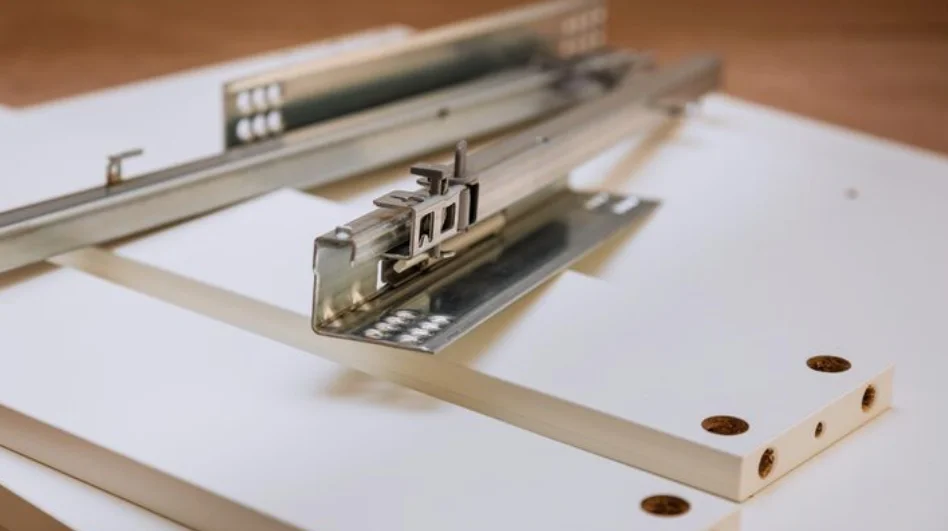
Smooth Operation Under Stress
Picture a drawer full of heavy pots pulled all the way out. Good undermount slides should move steady without sticking. They do this even with tough loads like big cookware or stacked cans. Well-cut paths and strong ball bearings keep the motion even. Special grease, often the fake kind, cuts down rubbing over many pulls. Companies check how smooth they run with weights added. They follow rules from ANSI/BHMA. These tests copy what happens in real kitchens or work areas. For example, one test might pull a 150-pound drawer 10,000 times to see if it stays quiet and easy.
Durability and Corrosion Resistance
Strength is just part of lasting power. These slides fight off damage from the world around them. Coatings like zinc or special paint guard against wet air and kitchen cleaners. Tests run over 50,000 open-and-shut moves to guess how long they last. Smart parts, such as closed bearing covers, block out dirt. This keeps things working right after years of daily pulls. In humid spots, like near a sink, that protection really shines—I’ve seen cheap ones rust fast without it.
How Do Undermount Slides Differ From Side-Mount Systems in Heavy Loads?
Both types hold up drawers well. But their setup changes how they deal with weight. Undermount slides hook under the drawer. This gives hidden help and nicer looks than side ones.
Structural Support and Mounting Geometry
Side-mount slides spread weight on the drawer’s sides. This can lead to side wiggle with big loads. Undermount types move the support to the bottom. They boost up-and-down steadiness. You see less hardware too. This setup holds better when drawers hold heavy stuff like iron skillets or food bags. For long drawers, extra brackets or two slides per side stop twisting. I recall fixing a kitchen where one side sagged because of poor support—switching to undermount fixed it quick.
Aesthetic and Functional Advantages
Undermount slides fit today’s cabinets well. They hide all parts when shut or open. This makes things look neat. It also leaves more room on the sides inside the drawer. Lots of these include gentle-close stops or push-open buttons. These add a nice touch for users. In modern kitchens, simple looks mix with real work ease. That’s why they’re popular now.
Installation Precision Requirements
These slides need exact setup. Clearances stay within tiny bits, like a hair’s width. This gets smooth slides and full shuts. Wrong setup leads to fast wear or less weight hold over time. Pros use tools like guides and small rulers to measure during install. They match the maker’s gap rules. Skipping this can turn a good slide bad, as I’ve learned from a few botched jobs.
Why Load Testing Matters in Selecting Undermount Drawer Slides?
Tests under weight prove if a slide really works like promised in real spots. For tough jobs like deep kitchen storage, check both still weight hold and moving weight action.
Industry Standards and Certification Processes
ANSI/BHMA rules set clear ways to check slide life, pull cycles, and push force. Outside checks make sure claims are real, not just talk. Tests look at bend when fully out, shut speed steadiness, and tire after many cycles. Say, a test might load 120 pounds and run 20,000 cycles to spot weak points. This data helps pick safe ones.
Realistic Simulation of Kitchen Use Conditions
Lab work copies daily pulls with different weights. One day it’s light knives, next it’s heavy pots. Shake tests act like hard slams or one-side pulls. Users often yank from the edge, so these show how parts hold up. Before your build, this catches problems. In a busy home kitchen, I’ve seen slides fail from uneven pulls without such prep.
Interpreting Load Ratings for Practical Applications
Still ratings show max weight when not moving. Moving ratings cover action with load. For deep drawers with pots or food packs, pick a match for your stuff. This stops early break or bend. Picking too strong costs extra cash. Picking too weak risks quick damage. Aim for a bit over your needs, like 20% more for safety.
Are Deep Kitchen Drawers Compatible With All Undermount Slides?
Not all undermount slides fit extra-long drawers for pots or food storage. Fit relies on size choices, build style, and handling pull from long reach.
Dimensional Constraints and Slide Length Options
Slide length should match cabinet depth close. Leave about half an inch at the back for good fit. Tall drawers add twist on hooks during pulls. So, pick stronger slides with thick bars for steady hold. In tall pantries, this keeps things level—otherwise, they tip funny.
Balancing Depth With Load Capacity Limits
Long drawers work like long arms. Even okay weights make big bend pull on slide parts. Strengthen the bottom wood or use two slides to share the push. This stops sag as time goes. For a 24-inch deep drawer with 80 pounds, single slides might bow; doubles fix that.
Integration With Drawer Box Construction Materials
Hard wood boxes hold screws well but swell in wet air. Plywood stays same size better. Metal ones link easy with ready holes. Each needs right screws—special plugs for wood or bolts for metal. This keeps strong hold with heavy stuff. Wood ones feel warmer, but plywood wins for steady jobs.
What Design Innovations Enhance Heavy-Duty Undermount Slide Performance?
New ideas have changed how these slides tackle hard spots like busy eateries or big home storage.
Advanced Bearing Systems and Motion Control Technology
Step-by-step ball setups spread roll touch even over paths. This gives better hold when fully out. Built-in stops soak up bumps on close to cut noise and part wear. Some link both sides so drawers go straight. No side drift in wide setups. This sync helps in big islands where drawers span three feet.
Material Advancements in Modern Slide Manufacturing
Tough steel mixes now give more power per pound than old types. Covers like nickel fight rust in wet spots, such as beach homes or eatery kitchens. Exact press work keeps sizes same in lots. So, new parts fit old ones years later. These small wins add up in long-run use.
Smart Features Supporting Professional Applications
Smart close systems tweak slow based on weight. Light trays shut soft; heavy pots ease in strong. Clip locks let tweaks after setup without big pulls. Top lines link to auto cabinets in smart homes or work kitchens. Sensors open on touch—handy for full counters. It’s like a little helper in tight spots.
How Should Professionals Evaluate Heavy-Duty Undermount Slides Before Purchase?
Pick solid undermount drawer slides by real checks, not just ads or seller words.
Performance Testing in Workshop Conditions
Before big buys, pros run shop trials. They copy kitchen weights, like 100 pounds in test drawers. Pull them many times over days. Watch for rub or sounds. Check bend when out full. This shows if claims match real work. One time, a test caught a noisy bearing before a whole kitchen install—saved headaches.
Supplier Transparency and Technical Documentation
Good sellers share full plans on steel type, cover kind, bearing size, and lab reports. These match ANSI/BHMA rules. Check warranty too. It shows how long they back it. Makers don’t promise past what they test. Clear docs build trust.
Cost-to-Durability Assessment Framework
Weigh price against last time. A middle heavy slide that lasts double an okay one often pays back better. Upfront it costs more, but saves later. How often you use it sets the win time. Work kitchens gain big from top slides with non-stop pulls. Home ones can go middle for less daily grind.
Can Upgrading to Heavy-Duty Undermount Slides Improve Overall Kitchen Efficiency?
Switching up isn’t only for big weights. It shifts how you reach and use storage each day.
Enhanced Accessibility and Ergonomics
Full-reach undermount slides let you grab every bit in deep drawers. No awkward stretches to back corners. Low rub makes pulls easy even packed with iron pots or gadgets. Better side hold cuts shake in use. This small steady win adds comfort over time. In a family kitchen, it means less spills from wobbly old slides.
Long-Term Value Through Reduced Maintenance
Strong builds fight shape change that might knock cabinet doors off line after years. Rust-proof covers mean less swap from bad parts. This cuts fix costs quiet-like. It keeps fronts straight. Over a decade, that’s real savings, especially in high-use spots.
Compatibility With Modern Kitchen Design Trends
These heavy undermount fits clean style pushes with no-show parts. They back switchable storage now big in home fixes and work setups. Flex counts as much as tough build. It’s a match for today’s look and need blend.
FAQ
Q1: What makes an undermount slide “heavy-duty”?
A: It refers to higher load ratings (typically over 100 pounds), thicker steel construction, reinforced ball bearings, and extended cycle life suitable for intensive use environments like kitchens or workshops.
Q2: Can all deep kitchen drawers use undermount slides?
A: Not always; compatibility depends on drawer depth relative to available slide lengths and whether reinforcement is added to counteract leverage forces from deeper boxes.
Q3: How do I verify manufacturer load claims?
A: Look for ANSI/BHMA certification results showing static/dynamic load testing data verified by third-party laboratories rather than internal factory tests alone.
Q4: Are side-mount slides less durable than undermount types?
A: Side-mounts can match durability but lack concealed mounting benefits; they also tend to exhibit more lateral play under heavy loads compared with properly installed undermounts.
Q5: Why invest in premium-grade heavy-duty undermount slides?
A: They provide smoother motion under stress, longer service life through corrosion-resistant materials, better ergonomics via full-extension access—and enhance overall kitchen efficiency by reducing maintenance frequency.


