
Soft Close Cabinet Hinges vs Standard Hinges Which Performs Better in Long-Term Use
What Defines the Difference Between Soft Close and Standard Hinges?
When you look at soft close cabinet hinges next to standard ones, the gap shows up in their movement and the inner workings. Picking one over the other touches on how long the cabinet lasts, how easy it feels to use, and even how tricky the setup is. For folks in cabinet work or furniture making, getting this difference right helps pick the right hardware for what the job needs.
Soft close hinges have hydraulic or pneumatic dampers. These parts slow the door right before it shuts. They stop hard bangs and give a steady, even close. Standard hinges just use basic metal turns with no extra slowdown. Their straightforward build makes them steady but not as smooth. If you keep opening and closing a soft close door many times, the damper takes in the push energy and turns it into a slow glide. Standard hinges cannot do that same trick.
Structural Design and Mechanism Overview
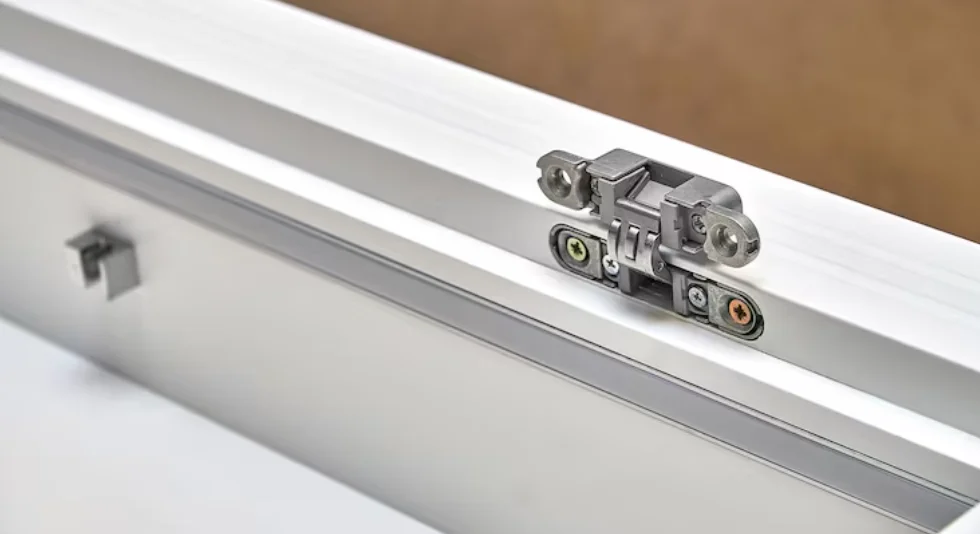
Soft close hinges rely on those dampers to control the end of the close. This setup avoids slamming and brings a gentle stop. Standard hinges stick to simple pivots alone. No damping means they work in a basic way but lack that fine touch in how they move. And when you repeat the open-shut action on a soft close door, the damper soaks up the energy. It changes quick motion into a slow one. Standard types miss out on this feature entirely.
Material Composition and Durability Factors
The strength of materials and the pull of springs decide how well a hinge holds up over time. Soft close types often use stainless steel or tough plastic for the damper parts. These fight off rust and keep the pressure even. Standard hinges go with strong metal mixes that handle more weight. But they have fewer parts that move. In the long run, fighting rust matters a lot. Think of damp spots like kitchens or bathrooms. Moisture there speeds up the breakdown.
Take a busy kitchen, for example. Water splashes around sinks. A hinge with good rust protection lasts years without trouble. One without it might creak after just a couple of seasons. That’s from real jobs I’ve seen in home builds.
Installation Requirements and Compatibility Considerations
Setting up soft close cabinet hinges calls for careful work. The damper needs to line up just right with the door’s path when it closes. If it’s off even a bit, the slow feel gets bumpy or weak. That small mistake can wear out the damper fast. Standard hinges take such errors better. They keep working fine with tiny shifts. Still, if you want to add soft close to old cabinets, check the hinge cup depth first. Make sure it fits the door overlay too. Otherwise, you might need adjustments.
In one project, we swapped hinges on a 10-year-old set of cabinets. The old cups were too shallow. We had to drill new ones. It added time but saved the doors from damage.
How Does Long-Term Performance Differ Between the Two Types?
How well hinges hold up over years comes down to how they deal with daily wear and constant pulls. Both kinds hold up the doors in much the same way. Yet their inside parts react different under regular use.
Soft close ones depend on those small fluid chambers. Over time, the fluid might get thin or the seals crack. This makes the slow close weaker or gone. Standard hinges skip fluid parts. So they don’t face that problem. Instead, their turn points loosen bit by bit from metal tiredness or loose screws.
Wear Resistance and Mechanical Fatigue Over Time
Soft close setups use tiny hydraulic rooms. After many years, they can lose their thick fluid or get bad seals. That drop leads to less slow action or no slow close at all. Standard hinges dodge this since no fluids are there. They just get slow wear at the turn spots. This happens from metal stress or screw looseness.
Picture a family home with kids banging doors daily. After 5,000 opens, a soft close might slow down. A standard one just needs a screw tighten.
Impact of Repeated Motion on Functionality
Each time you open and close, it nudges the hinge a tad out of line. For soft close, all that action can trap air in the fluid or cause small drips. This cuts down on how well it works. Standard hinges show different signs. You hear squeaks or feel more rub instead. Experts suggest tweaks every few thousand uses. That keeps things running smooth.
Maintenance Needs for Sustained Performance
Cleaning dust, checking screw tightness, and adding light oil help both types. Pick silicone oil since it stays clean and doesn’t hurt rubber parts in dampers. Do this simple check every half year. It boosts how long they last a lot.
I’ve found that in dusty workshops, wiping hinges monthly prevents most squeaks. It’s a small step with big payoff.
Why Do Soft Close Hinges Sometimes Fail or Lose Efficiency?
Even top soft close cabinet hinges can drop their soft shut after a while. Problems often link to tired parts, weather effects, or bad setup at the start.
The usual culprits are seals that wear out or springs that lose strength in the hinge tube. When those go bad, the hinge can’t control speed well anymore. Sometimes, you can swap just the damper part. That brings back the function without a full new hinge.
Common Internal Component Failures
Worn seals on the damper or weak springs in the barrel cause most trouble. Once they break down, speed control fades. In some fixes, a new damper insert does the job. No need for total replacement.
Environmental Influences on Hinge Performance
Changes in heat affect how thick the fluid stays. Cold makes it slow and sticky. Warmth thins it out too fast. Damp air speeds rust at joints and spring boxes. Dust buildup near the cups blocks easy movement if you skip cleaning.
Consider a bathroom cabinet. Steam from showers builds up. Without good care, rust hits in under two years. Dry spots like living rooms fare better.
Improper Installation or Misalignment Issues
A small wrong angle in mounting looks okay at first. But it puts uneven pull on the damper part soon. Screws too tight squash the inside bits past safe limits. That sparks early breakdown of the slow feature. Stick to the maker’s screw tightness tips always.
What Are the Key Advantages of Using Soft Close Hinges in Modern Cabinetry?
Soft close tech marks today’s cabinet work. It lifts how things work and how users see the quality.
The big win is quiet use. No bangs in the kitchen at night. The easy slow stop feels like fine work right away. It also stops shakes from passing to nearby wood.
Enhanced User Experience and Noise Reduction
Silence stands out most. No more door slams that wake the house. The steady slowdown gives a pro feel users like fast. Plus, it cuts shakes to connected boards.
In a quiet office setup, this keeps focus without distractions. One client noted fewer complaints after the switch.
Protection Against Impact Damage
Soft shutting cuts the hit force on frames and door sides over time. This guards against paint chips, loose joints, and bends from hard closes. It’s key in busy spots like home kitchens with lots of traffic.
Aesthetic and Functional Value Addition
From fancy kitchens to work storage, soft close adds polish that fits top designs. They hide well for clean looks. And they make daily pulls feel better.
Sometimes, in custom builds, we pair them with soft wood doors. It ties the whole look together nicely.
In Which Situations Do Standard Hinges Offer Better Practicality?
Soft close has perks, but not for every job. Basic hardware can work better in some cases based on the need.
For big jobs with many doors, money per piece matters. Standard hinges give solid work at less cost. No tools for tweaks or extra time after setup.
Cost Efficiency for Large-Scale Installations
In huge business projects with hundreds of doors, the price tag rules. Standard types deliver good results cheap. They skip the need for setup tools or post-install fixes.
Simplified Replacement and Maintenance Process
With fewer parts that move, swapping standard hinges is quick. Basic tools do it in minutes. Great for managers handling many spots where stop time stays low.
Property upkeep teams love this. One fix can cover 20 units in a day.
Suitability for Heavy-Duty or Industrial Applications
In tough spots with heavy loads or rough use, strength beats style. Standard steel hinges take more twist power than fluid setups for home use.
How Can Regular Maintenance Extend Hinge Lifespan Regardless of Type?
Steady care keeps both hinge kinds moving well after thousands of uses. Skip it, and they wear out quick.
Wipe metal parts with a soft cloth and light soap water. This clears grease that holds dust at turn spots.
Cleaning Practices to Prevent Dust Accumulation
Use a soft cloth with a bit of mild soap solution. Wipe the outer metal now and then. It removes sticky films that catch dust around the pivots.
Lubrication Techniques for Smooth Operation
Put a bit of silicone oil on the moving joints. It cuts rub sounds without pulling in dirt like oil from gas does. Don’t add too much. Extra liquid grabs grime quicker than dry spots.
A single drop per hinge goes far. We’ve seen it quiet noisy setups overnight.
Inspection Routines to Detect Early Signs of Wear
Check often for loose screws or odd spaces. Catch them early to stop spread to panels. If one door shuts quick on just one side, look at the line right away. Wait, and it might break full.
What Factors Should Guide the Selection Between Soft Close and Standard Hinges?
Picking comes down to how it’s used, job size, money plans, and look goals. Not one tech spec alone.
If quiet matters most, like in high-end kitchens, soft close cabinet hinges give top comfort. Basic ones fit utility areas better, say workshops or garages.
Functional Priorities Based on Usage Contexts
For spots where silence tops the list, soft close shines. Think luxury kitchen setups. They beat plain mechanical ones for ease. Basic types suit rough areas like sheds.
Budget Constraints Versus Long-Term Value Assessment
Soft close costs more up front from their tricky build. But they might save cash later by dodging fix bills from hits. Weigh this when picking stuff in the plan phase.
In a budget build, we stuck with standard. Saved 20% but added checks yearly.
Design Integration with Cabinet Aesthetics and Hardware Systems
Match the hinge to the full hardware style for smooth looks across pieces. Thick wood doors go with strong turns. Light boards like MDF look good with hidden slow-close that keep lines clean in setups.
FAQ
Q1: Why are my soft-close cabinet doors slamming shut?
A: The hydraulic damper inside may have lost pressure due to seal wear or temperature changes; checking alignment and replacing worn inserts usually fixes this issue quickly.
Q2: Can I retrofit existing cabinets with soft-close hinges?
A: Yes—but only if cup size depth matches your door thickness; otherwise modification might be required before secure fitting is possible.
Q3: How long do typical soft-close mechanisms last?
A: On average five to ten years depending on frequency of use plus environmental conditions such as humidity levels around installation site influence longevity greatly too.
Q4: Should I lubricate my soft-close hinges regularly?
A: Apply light silicone lubricant twice yearly; avoid petroleum oils which degrade rubber seals within damping units reducing effectiveness prematurely.
Q5: Are standard hinges still relevant today?
A: Absolutely—they remain practical choices wherever cost control speed simplicity outweigh desire for silent operation especially across commercial furniture production lines worldwide.


