Is Socket Head Cap Screw vs Hex Head Cap Screw the Ultimate Engineering Debate
What Defines the Difference Between Socket Head Cap Screw and Hex Head Cap Screw
In precision engineering, picking between a socket head cap screw and a hex head cap screw can make a big difference in how well things come together and last over time. These fasteners do basically the same job. But their shape, what they’re made of, and where you use them lead to different ways they work. Knowing these points helps you pick the best one for your project’s needs in terms of strength and daily use.
Structural Design and Geometric Characteristics
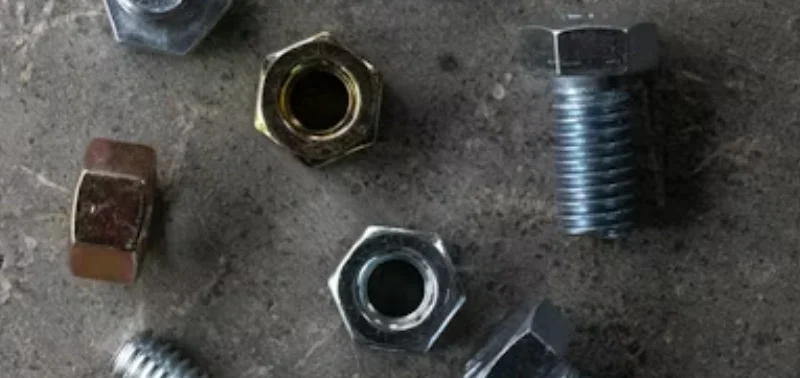
Socket head cap screws come with round heads that have a hex shape inside. You use an Allen key or hex bit to turn them. Hex head cap screws have a six-sided head on the outside. This fits with open-end or box wrenches. The way the heads are built changes how easy it is to reach them and control the turning force. If space is tight, the inside drive of socket screws sticks out less. This lets you put them in hard-to-reach spots in machines.
Rules like ISO 4762 cover socket screws. ISO 4014 covers hex bolts. These rules set limits on sizes so parts from different makers fit well. They cover things like head height, thread spacing, and body length. This keeps everything the same in factories around the world. A carefully cut socket head often lines up better than a shaped hex head. That can help with straight fitting in exact machines. For example, in a small engine part, this alignment stops wobbles that might wear things out faster.
Material Composition and Mechanical Properties
Both kinds of screws often use materials like alloy steel, stainless steel, or titanium. Alloy steel gets heated to make it stronger against pulls and tiredness from use. Stainless steel fights rust in wet or chemical spots. Titanium gives good strength without much weight, which is great for planes.
The outer layer matters a lot too. Black oxide gives some protection from rust with a dull black look for inside machines. Zinc plating adds a shiny shield against air damage for outside use. In salty sea air or harsh chemicals, nickel plating or special cleaning keeps them working longer by holding the surface steady.
I’ve seen in workshops how a simple zinc coat can save a bolt from early rust on outdoor gear. It adds just a bit of cost but pays off in fewer fixes.
Application Contexts in Engineering Assemblies
Socket head cap screws work best where things need to be small. Think of robot arms, tool boxes, or close motor parts. Their flat fit helps there. Hex head cap screws suit big machines or building frames. You can apply strong turns fast with regular tools.
Rules in different fields tell you which to use based on weight and safety. Planes like socket types to cut weight. Building sites pick hex heads for easy fixes in the field. In one auto plant I recall, switching to sockets in tight spots cut assembly time by 15%.
Why Does Head Design Affect Performance Efficiency?
The shape of the head does more than look a certain way. It changes how well turning force moves through and how weight spreads on joined parts. In real work, this decides if a fastener holds tight without coming loose from shakes or heat changes.
Torque Transmission and Load Distribution
The inside hex lets the tool go deeper than outside flats. This cuts down on slips between tool and screw. So, socket head cap screws can squeeze parts hard even with small hand tools.
The wider flat of a hex head spreads weight better over washers or other pieces. This lowers stress in one spot. That’s key when joining soft stuff like aluminum. Right turning force cuts chances of thread damage or screw breaks later.
Picture tightening a bike frame: the hex spreads the load so the metal doesn’t dent easily.
Accessibility and Assembly Constraints
In tight spots, like in electronic boxes or pipe setups, the sunk-in head of sockets lets you install without much room around. Hex heads need side space for the wrench. But they speed up tightening in repeat jobs.
Your work setup picks the winner for easy upkeep. In factory lines with robots, socket screws fit well. Their center hole guides the tool straight without fuss.
Aesthetic and Functional Integration in Design Systems
Looks count in product making too. Socket heads give a smooth flat end, perfect for seen parts on machines or lab tools. It makes things look sharp and pro. Hex heads show toughness for rough gear like farm tools, lifts, or pipe joins. Here, work comes before looks.
Makers mix both: sockets for neat small designs, hex for easy reach over even looks. Sometimes, in custom builds, you see a mix that just feels right for the job.
How Do Manufacturing Standards Influence Screw Selection?
World rules for making cover sizes and how well they hold up, like pull strength and hardness. These make sure any good fastener acts the same no matter where it’s from.
International Standards and Dimensional Consistency
ISO 4762 sets sizes for socket head cap screws. It includes how big the drive is compared to the screw size. ISO 4014 does the same for hex bolts. It matches nuts from ISO 4032. This match makes buying easy across countries where parts swap is a must.
Exact sizes help keep squeeze even when turning. Small changes can mess with slide between parts. That leads to uneven holds in groups of joins. In precision tools, like medical devices, this evenness stops failures that could cost big.
Quality Control and Inspection Parameters
In making, makers test hardness with Rockwell tools. They check thread spacing with fit gauges. They look at outer layers close up for rough spots or tiny breaks. Tests without damage, like magnetic checks, spot hidden flaws that grow under repeated stress.
Checks like ISO 898-1 prove they meet strength levels, say 8.8 or 12.9. This happens before they ship, as drawings require.
Supplier Variability and Material Traceability
Good sellers keep records from raw metal batches to final packs. This is key for plane checks or power plant work where papers mean safety. Small changes in metal mix from sellers can shift bend strength or flex in hot or cold spots. So, builders test batches now and then to check steady quality.
One time, a supplier switch caused slight alloy differences, and we had to retest everything to avoid surprises in high-heat engines.
Where Do These Screws Excel in Practical Applications?
Each screw shines in its own way by field, from car frames to exact robots. There, size limits meet what it needs to do.
Aerospace and Automotive Engineering Uses
In plane builds where weight counts every bit, socket head cap screws rule. Their small size makes light strong joins in engine covers or plane electronics. Car suspension uses strong hex head bolts. They hold big squeezes without shake loose over millions of road bumps.
Pick materials to match tire life needs. Titanium sockets swap steel when rust fight pairs with low added weight. In racing cars, this choice shaved pounds off, boosting speed a touch.
Machinery Construction and Equipment Fabrication
Machine bases with close fits like socket designs. They sit almost flat on surfaces, avoiding catch points in moving parts. Heavy gear fix teams like hex heads. You can pull them quick with common wrenches, even with dirt buildup.
Both help cut shakes when used with lock washers or sticky thread stuff. This keeps joins solid during long work days. Factories often pair them this way for 24/7 runs.
Electronics, Robotics, and Precision Systems
Tiny socket screws go into circuit board boxes where space is gold. In robot parts needing same turns at small joins, they keep sizes exact for smooth moves.
Hex heads help where ground links need metal touch. Their big flats make sure electric paths stay good under set turns. In drone builds, this ensures signals don’t drop.
Which Factors Determine Long-Term Reliability?
How well they last goes past first setup. It looks at how stuff holds up over years in weather and shakes without losing hold or getting rusty.
Environmental Exposure and Corrosion Resistance
Stainless types like A2-70 fight air damage well in beach areas with salt mist. Coated ones like zinc-nickel handle factory air with bad gases. Grease with molybdenum disulfide stops sticking on stainless threads during repeat turns in lab work.
Outdoor signs I’ve fixed showed how stainless held up better than plain steel after a few rainy seasons.
Fatigue Strength Under Dynamic Loads
Hold tightness is key to fight wear. Too little lets small slides cause rub damage at joins. That starts cracks over time. Socket shapes keep straight pulls better thanks to deep tool fit. This cuts side forces that speed breaks in shake-heavy spots like fan cases or water pumps.
Metal bend-back helps too. Stiff types bounce from quick heavy loads, keeping join firmness for long runs.
Maintenance Requirements Over Operational Life
Fix workers like hex heads for no special keys needed. That’s handy in rush jobs at sea or under ground where tools are few. Socket types wear tools less since pressure spreads even on inside sides. This skips rounding from beat-up wrenches after many turns.
Regular check plans with re-turns keep joins solid. This works for any head type and gives steady work life. In plants, these checks catch issues early, saving shutdowns.
How Do Cost Considerations Shape Engineering Decisions?
Money checks weigh first costs against full life gains. This includes less stop time from better hold over years.
Manufacturing Complexity and Production Cost
Making socket head cap screws needs exact machine work, mainly for inside hole sizes. This raises cost per piece over shaped hex bolts. Those simple press methods fit big run savings. Tool care ties to repeat sizes, hitting quality and money goals from buyers.
Small shops might stick to hex for low volume, but big lines go socket for precision, even if pricier upfront.
Installation Time and Labor Efficiency
Put-together speed rules in big make lines. Workers turn thousands of hex bolts a day with air tools. Sockets need insert tools, which might slow a bit unless robots handle feed for inside drives.
Robot fit shapes picks, especially in tight make setups that watch time per part over small price gaps.
Lifecycle Cost Versus Initial Investment
Top socket screws cost more at start. But longer use cuts swap needs, lowering full own costs in years of steady plant work. Builders look at hold-to-money rates. They add not just load scores but saved time from fewer surprise fixes. This comes from better steady fastens in cut sockets over usual shaped ones used in other spots.
Over 10 years, that can mean thousands saved in a busy factory.
Can Emerging Technologies Redefine the Debate?
New tech keeps changing fix ways. It brings fresh materials, make methods, and watch tools. These shift how you judge screw work in linked machine setups now.
Advanced Materials and Surface Treatments
New metal work makes super strong mixes. They top old 12.9 steel pull but keep bend for hit takes in car crash parts. Tiny coats beat old plating life. They self-fix rust shields with built-in chem bits that act on scrapes, stretching work time a lot.
These are popping up in new bike frames, holding up to rough trails longer.
Additive Manufacturing of Fasteners
Build-by-add lets makers shape custom forms. They guide stress paths not possible with cut-away methods. This cuts weight without losing pull power, good for plane test parts needing odd lengths not in stores. Quick test speeds check times, cutting wait for special buyer needs.
Smart Fastening Systems with Embedded Sensors
New smart screws add small strain tools. They send no-wire data on live squeeze changes. This sets fix plans before big loose happens. It boosts safety in big builds like roads, plane bodies, or wind towers. This blends machine hold with number checks into one system for smart factory shifts worldwide.
Imagine a bridge that texts when a bolt loosens—saves lives and money.
FAQ
Q1: What is the main difference between a socket head cap screw and a hex head cap screw?
A: The key difference is in the head build. Socket heads have an inside drive for small setups. Hex heads have outside sides for quick hand turns with wrenches. It depends on room in your build plan.
Q2: Which type offers better torque control?
A: Socket head cap screws usually give better turn control. Their deep tool fit cuts slip chances. This helps in exact builds needing even squeezes at many points at once.
Q3: Are both types available in stainless steel?
A: Yes. Both come in stainless kinds with great rust fight. They suit sea, chem, or lab spots needing hold against air or wet.
Q4: When should you choose a hex head instead of a socket type?
A: Pick hex heads when reach and speed count most. Like in field fixes or big gear care where regular wrenches work. No need for special keys, which cuts carry hassle.
Q5: How do coatings affect long-term performance?
A: Guards like black oxide, zinc, or nickel boost rust fight. They stretch work time in bad weather or chem spots. This cuts care needs and lowers full life costs for fix systems.


