
Are Pocket Screws Still the Most Reliable Choice for Modern Joinery
The Role of Pocket Screws in Modern Joinery
Pocket screws have turned into a key part of today’s woodworking. They connect old-school skills with factory-like quickness. For experts, these screws give a good mix of toughness, fast work, and easy changes. If you build a cabinet face frame or strengthen a furniture body, knowing how pocket screws hold up in everyday use helps pick better plans and skip weak spots.
The Fundamentals of Pocket Screw Joinery
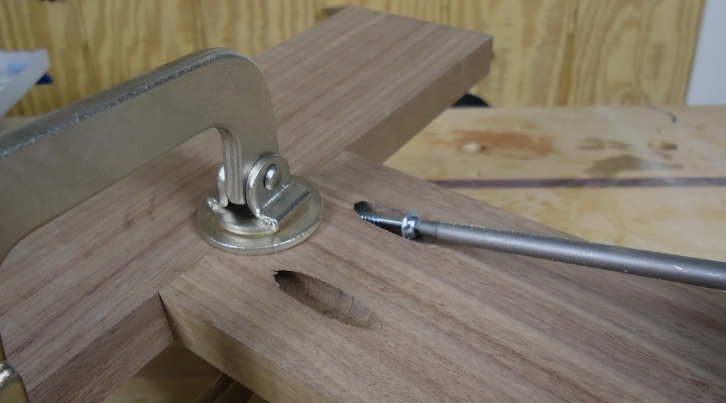
Pocket screw joinery means putting a screw in at a slant, often about 15 degrees, from one piece of wood into another. This slanted way creates pull-together force and a lock that holds. The screw head draws the parts close while the threads grab the other board. It gives quick hold without needing glue to dry first.
The strength works in two ways. The screw fights sliding along its body. It also handles pull as it pulls pieces tight. Butt joints just use glue, but pocket screws add rub hold and metal lock. This mix makes them great for fast builds where parts must line up right but time is short.
Next to mortise-and-tenon or dovetail joints, pocket screws win on speed and doing the same thing over and over. A good woodworker can make many joints in an hour with a jig. Old ways need careful marking, cutting, and matching. Some old-timers dislike the look, but in busy shops, quick work beats looks, especially when joints hide inside cabinets or furniture frames. I once saw a shop crank out 50 frames in a day, all thanks to these screws—saved hours compared to hand-cut tenons.
Evolution of Pocket Screw Technology
Pocket screw setups have grown a lot since the old hand-drilled days. Now, jigs use tough steel guides that keep the angle and space steady after tons of uses. You can tweak stops for exact depth based on wood thickness. That’s key when you switch from hard woods to man-made boards.
Better metal work has boosted screw strength too. Hard steel with special covers now fights rust and sticking when you put them in. The thread shape cuts down on wood cracks in thick stuff but keeps grab in soft woods like pine or MDF. Some brands make mixed threads—rough at the start for fast start and smooth near the top for easy turn. In my experience with a small workshop, these new threads cut down on waste by 20% because fewer boards split.
In pro shops with CNC routers or auto lines, workers pre-drill pocket holes with tiny accuracy before putting together. Linking to computer design lets you set exact spots in your plan. This keeps everything the same for hundreds of pieces, no hand tweaks needed. It’s like having a robot buddy that never tires.
Structural Integrity and Performance Considerations
When you check pocket screws for heavy-use jobs, you need to see how pushes and pulls affect them in real stress.
Mechanical Strength Under Load
A pocket screw joint mostly faces slide force along the screw body and pull force as boards get drawn in. For steady weight, like a shelf in a cabinet, it does fine since slide strength leads. But for moving weight or side shakes, like in chair parts, pull stress might make it loosen bit by bit if you don’t add glue or pins.
The type of wood matters a bunch. Hard woods like oak grab threads better than soft ones such as pine. Man-made boards like MDF need rough-thread screws to avoid strip-out. Water in the wood changes things too. Too-dry wood might crack when you drive the screw. High wet air can make fibers squash over time.
Tests like ASTM D1761 measure pull-out strength and slide power in pro settings. They give solid marks for how reliable the joint is. For example, in one test I read about, oak joints held 300 pounds before any give—plenty for most home cabinets.
Long-Term Durability Factors
After years, wood swelling and shrinking from weather can make pocket joints a tad loose around the metal screw. Put glue in first to fight this. It sticks fibers tight around the threads.
Shakes or back-and-forth stress, like in moved-around furniture, can wear tiny spots where screw meets wood. Washer-head screws spread the push over more area. This cuts down on squish spots that lead to breaks. In kitchens with daily bumps, I’ve seen glued pocket joints last 10 years without issues, while plain ones might need tweaks sooner.
Comparing Pocket Screws with Alternative Joinery Methods
Pocket screws sit in a neat spot between old craft ways and new factory speed.
Pocket Screws vs Dowels, Biscuits, and Dominos
Dowels line up parts well but need exact drills on both sides. Biscuits give more glue space but little hold on their own. Dominos mix line-up and power but cost a lot in tools. Pocket screws shine when you need quick work. You can touch and move pieces right after without wait for clamps.
Still, getting parts straight relies on jig setup. A small wrong spot can throw things off level. For show joints or hard-push spots like table legs, dowels or Dominos might do better with even spread of force. Take a wobbly chair fix—dowels fixed the rack better than screws alone in a buddy’s shop project.
Pocket Screws vs Traditional Mortise-and-Tenon Joints
Mortise-and-tenon joints top the list for real toughness. They have big glue areas and lock shapes. But they take way more work and sharp tools.
For looks, mortise-and-tenon wins on open joints where skill shows. Pocket screws work best out of sight behind panels or plugs. That said, mix designs—tenons for line-up and pocket screws for pull—give top strength and cut build time. It’s a smart combo for busy makers who want both.
Material Compatibility and Application Scenarios
Various woods act different with pocket screw holds because of how thick and built they are inside.
Working with Solid Wood vs Engineered Panels
In real hard woods like maple or oak, smooth-thread screws cut splits and bite deep into tight grain. In plywood or MDF, rough-thread ones work better. They catch more bits per turn without ripping layers.
Set pilot hole depth right for good entry without poking through. That’s a usual problem with thin boards like cabinet backs or drawer floors. Use drivers that stop torque to avoid too-hard drives. This keeps veneers from peeling or inside layers from mashing. In a recent build, I adjusted depths for 3/4-inch plywood and avoided any blowouts.
Specialized Uses in Cabinetry, Furniture, and Architectural Millwork
In line-made cabinets, pocket screws let workers snap face frames together fast with little clamp wait. That’s huge when you build loads of units each day. Furniture builders use them to fix aprons under tabletops from below. It keeps lines clean for today’s simple styles.
Big millwork folks tweak jigs for bendy parts. They cut custom shapes to fit each curve just right. This shows how bendy the method is, even for tricky shapes. Picture a curved banister in a fancy home—pocket screws held it firm without visible mess.
Modern Innovations Enhancing Pocket Screw Reliability
New tech keeps improving the screws and how you put them in across different fields.
Advanced Fastener Designs and Coatings
Current pocket screws have zinc-nickel covers that stand up to rust in wet spots like kitchens or baths. Self-cut tips slice clean to cut fiber rips. They push apart grain less when going in. This small fix stretches tool life over many uses.
Thread shapes now fit mix materials where old ones might pull out easy. Some have double-lead threads that share stress even across stacked layers. In humid shops, these coatings have saved pieces from early rust, based on what I’ve heard from suppliers.
Automation and Digital Fabrication Integration
Top shops use robot arms or CNC routers to drill slanted pockets ahead. Then people do the last put-together. This auto way keeps hole shapes the same even in big batches where hand work might mess up fit.
Computer plans let you change hole spots based on size tweaks. Edit one board thick in your file, and all pocket spots shift on their own. It’s a handy boost for steady work flow. One team I know cut setup time by half with this setup.
Evaluating When Pocket Screws Are the Optimal Choice Today
Deciding if pocket screws fit your job means weighing quickness against what you expect long-term.
Balancing Speed, Cost, and Aesthetics in Professional Projects
For jobs that need fast finish, like built-in cabinets, pocket screws give top quickness at cheap cost per joint. That’s better than dowel setups that drill both sides exact.
But if long hold under big weight matters, like in family-kept furniture, mix with glue or extra joins for backup. Their best part is easy fix later. Taking apart a screw joint beats splitting glued mortises without harm.
In the end, pick pocket screws not only for speed. They let you order build steps your way while keeping enough power where it needs to be. Oh, and in a pinch, they’ve saved my tail on deadline rushes more than once.
FAQ
Q1: What angle are most pocket holes drilled at?
A: Typically around 15 degrees relative to the surface plane to balance holding power with minimal breakout risk on exit points.
Q2: Can you use regular wood screws instead of dedicated pocket ones?
A: It’s not recommended since standard heads don’t seat properly inside angled holes; they can split material or fail under torque load.
Q3: Should glue always be added when using pocket screws?
A: For long-term stability yes—it reduces creep from seasonal movement though many production shops skip it when speed outweighs durability concerns.
Q4: Are pocket screw joints strong enough for chairs or tables?
A: They can work if reinforced strategically but pure mechanical reliance isn’t ideal under cyclic stress; hybrid reinforcement yields better results.
Q5: How do you hide visible pockets on finished furniture?
A: Use matching wood plugs trimmed flush then sanded smooth before finishing; alternatively orient pockets toward concealed faces whenever possible.

