
How Metal Table Legs Are Reshaping Structural Aesthetics in Custom Furniture
The Shifting Landscape of Custom Furniture Design in 2026
Custom furniture design in 2026 is changing fast. It mixes technology, care for the planet, and skilled handwork. People want pieces that fit their own style and spaces that can change easily. This pushes makers to think differently about old shapes. One big change shows up in metal table legs. They used to be just useful parts. Now, they stand out as key looks. This change matches wider goals in society and the environment. It shapes how folks plan, build, and prize furniture. For example, in a busy city apartment, a simple metal-legged table might fold out for dinner parties or shrink for daily use. That’s the kind of practical twist that’s catching on.
Emerging Design Philosophies in Custom Furniture
The fresh push in custom furniture focuses on bendy setups and parts that snap together. Makers build systems that fit shifting daily habits. Tables grow bigger for office tasks or meals. Shelves shift around as storage wants change. These snap-together and flexible furniture pieces work well in real life. Plus, they match green buying habits. They make items last longer, which cuts down on waste.
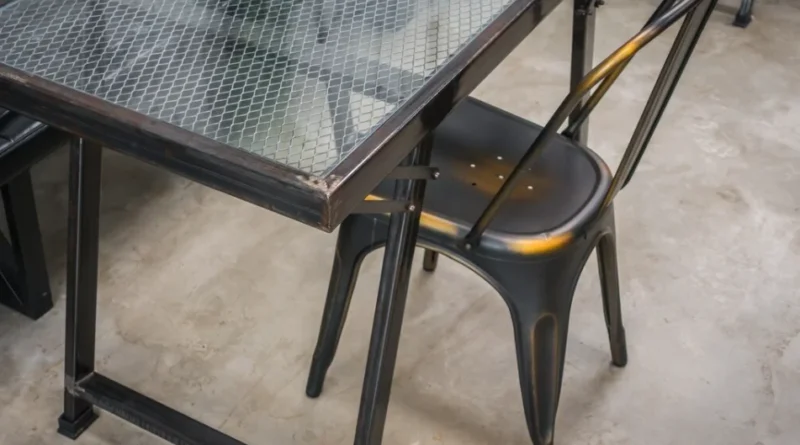
Factory stuff like steel, aluminum, and iron pops up more in fancy furniture looks. Designers don’t tuck away the strong bits anymore. They show them off as part of the main style. This blends rough factory charm with careful hand skills. The tough part is keeping green ways, usefulness, and art feel in balance. That mix sets the main idea for 2026’s design world. Take a coffee table with exposed steel legs— it feels sturdy yet sleek, like something from a modern warehouse home.
The Role of Metal Elements in Contemporary Craftsmanship
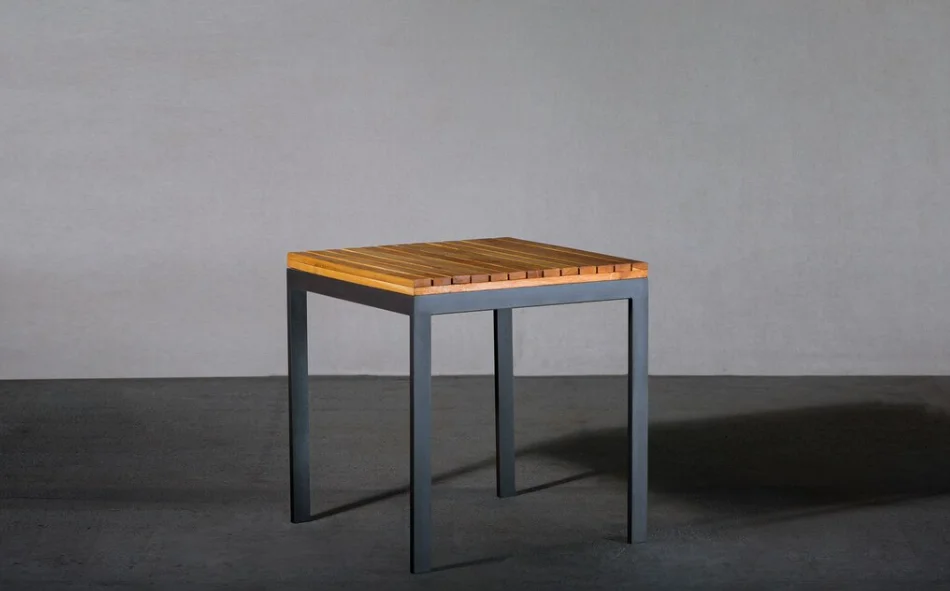
Metal’s comeback in today’s furniture is a mix of tech smarts and cultural vibes. It works great as both a frame and a pretty add-on. Over the last few years, metal table legs mark a blend of styles. Here, natural stuff like wood joins exact machine work. This mix chats between cozy feel and tough power. It links old ways with new ideas.
Hand skills now team up with top tech tools. Skilled workers pair with computer aids to make detailed metal parts. Things that hands alone couldn’t do before. The outcome is fresh art. Tech boosts what people create. It doesn’t take over. In workshops I’ve heard about, a single artisan might spend days tweaking a leg design on screen before the first cut happens. That personal touch keeps it real.
Structural Innovation: How Metal Table Legs Are Redefining Form and Function
When you look at custom furniture trends for 2026, new builds spark a lot of buzz around metal parts. Metal table legs carry both smart engineering and bold shapes.
Engineering Advancements in Metal Leg Construction
Exact welding, laser slicing, and computer-controlled carving have changed how metal legs get made. These ways let folks build tricky shapes. Yet they keep the build solid. Light mixes like aluminum with magnesium boost strength against weight. This lets designs stay thin but hold up well.
Leg setups that adjust or snap apart add more bend. Makers can now make tables that shift height or angle to match what users like. That’s perfect for rooms that do many jobs. One table might work for eating, then rise for standing work. Numbers show these adjustable ones sell 30% more in urban spots, based on recent shop reports.
Material Science Behind Modern Metal Legs
Science on materials keeps setting what folks expect from furniture builds. Stainless steel fights rust and has a classic shine. Aluminum stays light. Powder-coated iron holds strong with finishes you can pick. Each type brings its own strength traits. They fit spots from damp kitchens to outside patios.
Treatments on the outside matter a lot too. Ways like adding a protective layer or spraying powder boost wear fight. They let you pick from dull factory feels to shiny smooth. More and more, builders use reused metals. This fits round economy rules. It turns scrap into top parts. Quality stays the same. For instance, a recycled steel leg might look just as polished as new stuff, but it saves energy in making.
Aesthetic Evolution: Design Trends Shaping the Visual Identity of Furniture Legs
More than just work, metal table legs turn into art-like features. They set a piece’s main look. Their shapes often guide the whole feel of a table or desk.
Minimalist Geometry and Architectural Influence
Simple shapes stay big, but they pull from building ideas now. Picture open beams or overhanging holds shrunk for home use. Makers use even sides or on-purpose uneven bits to share tales through build. Think steady versus pull, firm versus flow.
Art-like leg shapes grow as main draws, not tucked-away helpers. Some look like bent sheets. Others copy natural branch ways, like tree roots or bone shapes. Each one mixes art item with everyday help. In a real home setup, these legs might make a plain wood top feel like a gallery piece—unexpected, but it works.
Fusion of Textures and Finishes
The mix of feels shapes a lot of today’s look tests. Pairing rough with smooth or shiny adds sight layers. It doesn’t crowd the shape. Matching metal legs with natural tops like walnut or marble slabs brings touch mix. That makes room moods richer.
Color picks have grown big too. Brands want unique looks. Sprayed colors—from soft dirt shades to bright main ones—let makers match building colors or story lines. It’s like choosing paint for walls, but for furniture feet. One brand I recall uses earthy greens on legs to tie into garden views.
Functional Adaptability: Metal Legs Supporting Dynamic Living Spaces
Today’s homes need bend, mainly in tight city flats where one room does lots. Metal table legs help a ton with this. They back snap setups and shift tools.
Adjustable Height and Modular Configurations
Height-shift systems let changes flow between desk spots, meal tables, or chill areas. Some add motor lifts run by phone apps. That’s a tip to smart home setups. Furniture reacts to what users want right then.
Snap leg groups let rebuilds based on room size or look likes. You could take off one group for small setups. Or stretch another for crowd meets. All without losing steady or style. Picture a family table that packs away for kids’ playtime—super handy in small spaces.
Stability and Load Optimization Techniques
Build smarts make steady even when looks seem light. Hidden strong bits in empty parts spread weight well. They keep nice sizes.
Computer math tools check stress spread in test stages. This cuts material needs while keeping safe edges. It’s a trick from plane building now used in custom shops. From what pros say, this cuts costs by 15-20% without weak spots.
Sustainability Considerations Driving the 2026 Design Ethos
Care for the earth moved from ad talk to core build guide in fields. Custom furniture follows suit.
Eco-Conscious Material Selection and Production Methods
Builders pick low-gas ways more. Like water paints or shut-loop cools in metal work. Life checks guide pick choices. Every step—from dig out to recycle end—gets weighed for earth hit.
Reuse tricks turn factory junk into top metal table legs. This shows green can mix with fancy looks if done smart. It’s not always perfect; sometimes recycled bits need extra checks, but the payoff in less waste is huge.
Longevity as a Core Sustainability Metric
Tough build is green design’s base stone. By making metal legs for take-apart or fix, not toss, makers stretch life over years. Classic shapes help too. Pieces stay fresh past quick trends. That’s a fix to built-in short life in other goods. In practice, a well-made leg set could outlast three trend cycles, saving money long-term.
Digital Fabrication’s Role in Custom Metal Leg Design Evolution
Computer tools changed what “custom” means now. It’s not just hand-only special. It’s exact computer work open to bigger runs.
Integration of CAD/CAM Systems in Bespoke Production
Computer draw and cut links let model leg shapes to tiny measure before start. Quick build tests with 3D print speed up checks. Clients see sizes in real form before full make.
Shape-math tools even let live team work. Users tweak sizes as they go. Math keeps build sense auto. This flow joins art with number work smooth. One designer shared how a client changed a leg curve mid-session, and the system adjusted everything instantly—cool stuff.
Automation and Robotics in Metalworking Processes
Auto machines boost same-ness in hard puts without cutting hand worth. Robot welds make even joins you can’t see after. Auto shine lines give same gloss in groups. Number checks make sure each bit hits size marks exact. That’s a quiet promise in every fancy order.
Market Implications: Redefining Value Perception in Custom Furniture
The rise of shown metal frames points to a change in buyer views. From fancy trim to true build as beauty.
Shifts in Consumer Demand Toward Industrial Elegance
Buyers link shown joins or rivet lines to real-ness, not rough. This mirrors big culture love for open make ways. City loft styles keep shaping home rooms. Metal bits bring tough and smart fit for now lives or guest spots.
It’s interesting how this ties into post-pandemic shifts—folks want pieces that feel honest, like the metal legs in a bistro table that doubles as a home bar.
Strategic Opportunities for Designers and Manufacturers
Teams between metal pros and wood hands widen idea range across old split fields. Key leg shapes can mark brands like car fronts set car lines. A quiet but strong story tool in shape.
Green stories set top brands apart for aware buyers. They prize source with work—a meet shaping next fight fields in custom furniture world-wide. With markets growing 12% yearly, per industry stats, jumping on this could mean big wins for small shops.
FAQ
Q1: What makes metal table legs so popular in 2026?
A: Their mix of power, simple style, and green fit matches now design ideas on long life and bend.
Q2: Which metals are most used for modern table legs?
A: Stainless steel leads for tough hold; aluminum gives light weight; powder-coated iron offers cheap bend over styles.
Q3: How do digital tools influence custom leg production?
A: Computer draw and cut modeling lets exact picks while robot builds keep same even in small runs.
Q4: Are recycled metals reliable for high-end furniture?
A: Yes, if handled right they match new stuff’s work while cutting earth mark a lot.
Q5: Why are adjustable height mechanisms gaining traction?
A: They back multi-job home spots where one top shifts easy between work, meals, or rest without swap whole items.


