
How Does a Compression Fitting Valve Improve Plumbing Efficiency
How Do You Choose and Use Plumbing Compression Fittings?
Compression fitting valves are essential in modern plumbing systems because they provide reliable sealing without the need for soldering or welding. The best choice depends on the system’s pressure, temperature range, and pipe material. A well-installed compression fitting valve reduces leakage risks, simplifies maintenance, and enhances system longevity. For professionals, the key lies in understanding how mechanical compression interacts with material properties to maintain a durable seal over time.
Understanding the Functionality of a Compression Fitting Valve
A compression fitting valve operates through precise mechanical interaction between its components. Its design eliminates the need for heat-based joining methods, making it safer and more adaptable across various applications.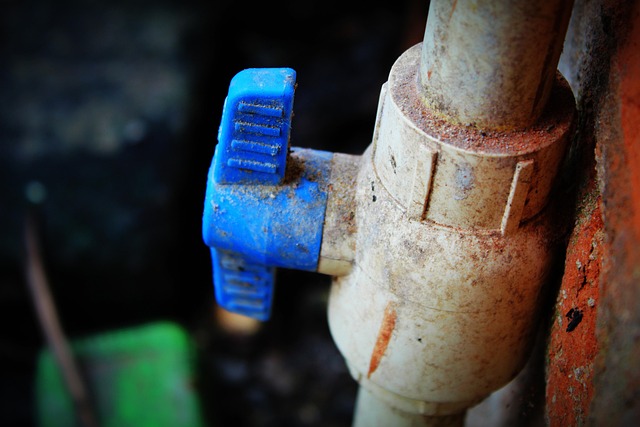
The Engineering Principles Behind Compression Fittings
A compression fitting valve relies on mechanical compression to create a watertight seal. It typically consists of three main parts: a nut, a ferrule (often called an olive), and a valve body. When the nut is tightened, it compresses the ferrule against the pipe and valve body, forming a secure joint that resists leaks even under fluctuating pressure conditions. This sealing mechanism is particularly valuable in confined spaces where soldering or threading is impractical. Engineers often choose compression fittings in systems that require frequent disassembly or inspection because they can be re-tightened without damaging the pipe surface.
Material Composition and Design Considerations
Most compression fitting valves are made from brass, stainless steel, or copper alloys due to their corrosion resistance and machinability. Brass remains common in domestic water systems because it balances cost and durability. Stainless steel variants are preferred in industrial settings exposed to aggressive fluids or high pressure. The internal geometry of the valve affects how evenly sealing pressure distributes across contact surfaces; uneven stress can cause micro-leakage over time. Precision machining ensures tight tolerances so that each component fits perfectly, maintaining seal integrity even after repeated tightening cycles.
Enhancing Plumbing Efficiency Through Compression Fitting Valves
Efficiency in plumbing installations often comes down to how quickly fittings can be assembled while maintaining reliability. Compression valves excel here because they combine mechanical simplicity with strong sealing capability.
Reduction of Installation Time and Labor Costs
Compression fittings significantly reduce installation time since no flame or flux is required. A technician only needs basic wrenches to achieve a leak-free connection. This simplicity cuts labor costs, especially on large projects where hundreds of joints may be needed. Their modular nature also means damaged sections can be replaced quickly without disturbing adjacent lines. In commercial buildings or manufacturing plants, this translates into shorter shutdown periods and improved productivity across maintenance operations.
Minimizing Leakage Risks in High-Demand Systems
Properly installed compression joints maintain consistent performance even under vibration or thermal expansion cycles. The ferrule adapts slightly to minor misalignments between pipes, distributing stress evenly around the circumference rather than concentrating it at one point. This design flexibility helps prevent cracks that could otherwise propagate under cyclic loading. Many facilities schedule periodic torque checks to confirm fittings remain tight—an easy preventive measure compared with repairing leaks after failure.
Performance Optimization in Various Plumbing Applications
Compression fitting valves perform reliably across diverse environments—from residential kitchens to industrial process lines—because they can handle both liquids and gases when materials are correctly matched to service conditions.
Suitability Across Fluid Types and Pressure Ranges
These valves handle water, air, oil, steam, and certain chemicals depending on their material composition and sealing type. Brass models work well for potable water systems up to moderate pressures; stainless steel versions withstand higher loads found in hydraulic circuits or compressed gas networks. Engineers often specify double-ferrule designs for high-pressure gas applications because they provide redundant sealing surfaces that resist vibration-induced loosening.
Integration with Modern Plumbing Systems
Modern buildings frequently use mixed piping materials such as copper, PEX, or multilayer composites. Compression fittings bridge these differences without requiring specialized adapters or thermal joining techniques. In renovation projects where existing lines cannot easily be welded or threaded due to accessibility constraints, using compression valves simplifies retrofitting considerably. They also support modular plumbing layouts favored in commercial developments where scalability and quick maintenance access are priorities.
Maintenance, Reliability, and Longevity Factors
Long-term reliability depends not just on material quality but also on proper installation practices and regular inspection routines designed to detect early signs of degradation.
Inspection Protocols for Sustained Efficiency
Routine inspections should include checking torque levels using calibrated tools to verify that nuts remain within recommended tightening ranges. Over time, small vibrations may loosen joints slightly; retightening restores full sealing pressure without replacing parts. Visual checks help identify corrosion spots or wear marks on ferrules before they compromise performance. Applying compatible lubricants during assembly reduces friction between threads and prevents galling—a common issue with stainless steel components under repeated service cycles.
Common Failure Modes and Preventive Measures
Over-Tightening Issues
Applying excessive torque during installation can deform the ferrule permanently, causing uneven contact with the pipe surface and eventual leakage once pressure builds up.
Material Fatigue Under Cyclic Loads
In systems subject to frequent pressure fluctuations—such as HVAC chillers or hydraulic circuits—metal fatigue may develop micro-cracks near stress points. Periodic hydrostatic testing helps detect weakening before catastrophic failure occurs.
Improper Alignment During Installation
If pipes are not properly aligned before tightening, localized stresses increase dramatically at one edge of the ferrule seat. Using alignment sleeves or holding fixtures during assembly maintains concentricity between components and prevents premature wear.
Advances in Compression Valve Technology for Future Plumbing Systems
The evolution of compression technology continues as manufacturers explore advanced materials and digital integration features aimed at predictive maintenance strategies.
Innovations in Seal Design and Materials Science
Recent developments include polymer-coated ferrules that absorb vibration energy while maintaining elasticity under load changes—ideal for mechanical rooms with pump-induced oscillations. Nanocoatings applied inside valve bodies improve resistance against scaling and corrosion caused by aggressive water chemistries found in certain municipal supplies. These coatings extend service life while reducing maintenance intervals.
Smart Monitoring Integration for Predictive Maintenance
Next-generation compression valves now incorporate miniature sensors capable of monitoring flow rate variations or detecting subtle changes in seal integrity through pressure differentials. When connected to building management systems via IoT networks, these smart valves trigger alerts if anomalies suggest potential leakage or blockage formation. Such real-time diagnostics allow facility managers to intervene early rather than wait for visible failures—a shift toward predictive rather than reactive maintenance philosophy increasingly valued across modern infrastructure projects.
FAQ
Q1: What is the main advantage of using a compression fitting valve?
A: It allows leak-free connections without heat-based joining methods like soldering or welding while supporting easy disassembly for maintenance.
Q2: Can compression fittings handle high-pressure applications?
A: Yes, especially when constructed from stainless steel with double-ferrule designs suitable for hydraulic or gas systems operating at elevated pressures.
Q3: How often should compression fittings be inspected?
A: Annual inspections are typical for low-demand systems; critical installations may require quarterly checks including torque verification.
Q4: Are these fittings compatible with PEX piping?
A: Yes, many modern designs include inserts allowing safe use with PEX as well as copper or multilayer pipes commonly found in mixed-material networks.
Q5: What causes most leaks in compression joints?
A: Leaks usually result from improper tightening—either too loose or too tight—or misalignment during assembly that distorts sealing surfaces over time.

