
How Can Paint for Metals Improve Durability in Six Easy Steps
How to Paint Metal: 6 Easy Steps
Painting metal isn’t just about appearance—it’s about protection. The right paint for metals can significantly extend a structure’s lifespan by preventing corrosion and wear caused by environmental exposure. When applied correctly, coatings act as an effective barrier against oxidation, moisture, and chemicals. This guide breaks down the process into six practical steps that professionals rely on to achieve durable, long-lasting finishes on metal surfaces.
Understanding the Role of Paint for Metals in Enhancing Durability
Metals are widely used across industries due to their strength and versatility. However, their durability heavily depends on how well they are protected from environmental factors that promote degradation.
The Science Behind Metal Degradation
Metals naturally react with oxygen and moisture, leading to corrosion. This process weakens structural integrity and reduces performance over time. In humid or coastal regions, salt accelerates oxidation, causing visible rust or pitting. Once corrosion begins, it spreads rapidly beneath coatings if left untreated. Protective coatings interrupt this cycle by forming a barrier that limits exposure to air and water.
How Paint for Metals Functions as a Protective Layer
Paint serves both physical and chemical roles in shielding metal. It forms a continuous film that isolates the surface from corrosive agents while incorporating anti-rust pigments such as zinc phosphate or chromate for added protection. Binders within the paint create adhesion between layers and resist breakdown under heat or UV light. Proper application is critical; even the best formulation fails if adhesion is poor or coverage uneven.
Step 1: Surface Preparation for Optimal Adhesion
Before applying any coating, the substrate must be clean and properly profiled. Preparation determines how effectively paint bonds to metal.
Cleaning and Degreasing the Metal Surface
Metal surfaces often accumulate oil residues, dust, or fabrication contaminants that interfere with paint bonding. Cleaning involves solvents like acetone or alkaline detergents that remove grease without leaving residue. A clean surface allows uniform wetting of primers and prevents blistering during curing.
Mechanical Abrasion or Blasting Techniques
After cleaning, mechanical abrasion enhances adhesion by roughening the surface. Sandblasting removes rust, mill scale, and old coatings while creating anchor patterns for primer grip. For smaller parts, wire brushing or sanding achieves similar results though less aggressively. The goal is consistent texture rather than excessive material removal.
Step 2: Applying a Suitable Primer for Metals
Priming acts as the foundation of any coating system. It bridges chemical compatibility between bare metal and topcoat while adding its own layer of defense.
The Importance of Priming in Metal Protection
Primers contain corrosion inhibitors that neutralize reactive sites on steel or aluminum surfaces. They also improve mechanical bonding between layers by filling microvoids left from blasting. Skipping this step leads to premature coating failure even when using high-quality paint for metals.
Types of Metal Primers and Their Applications
Zinc-Rich Primers
Zinc-rich primers provide sacrificial protection; zinc corrodes preferentially to steel, preserving underlying metal integrity. These are common in marine environments or infrastructure exposed to salt spray.
Epoxy-Based Primers
Epoxy primers deliver exceptional adhesion and chemical resistance suitable for industrial machinery or pipelines exposed to harsh chemicals or high humidity.
Step 3: Selecting the Right Paint Formulation for Durability
Choosing an appropriate topcoat depends on expected service conditions and compatibility with primer systems.
Factors Influencing Paint Selection for Metals
Environmental exposure dictates formulation choice—humidity demands moisture-resistant coatings; outdoor use requires UV stability; industrial settings need chemical tolerance. Compatibility testing between primer and topcoat ensures cohesive film formation without delamination risks.
Common Types of Paints Used on Metals
Polyurethane Coatings
Polyurethane paints combine flexibility with gloss retention, making them ideal for automotive parts or architectural steel where aesthetics matter alongside durability.
Alkyd Enamels
Alkyd enamels suit general-purpose applications such as railings or machinery housings where moderate protection suffices at lower cost.
Step 4: Proper Application Techniques to Maximize Longevity
Even premium materials fail without correct application methods ensuring uniform coverage and curing.
Methods of Applying Paint on Metal Surfaces
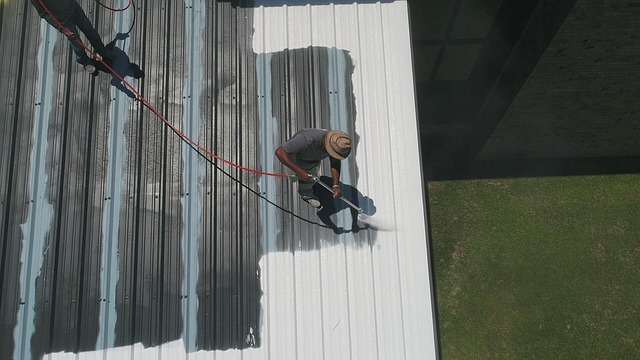
Spray application offers consistent film thickness across complex geometries like beams or tanks. Brushing works well on small components or touch-ups where control matters more than speed. Rolling applies evenly on flat panels but may leave texture depending on viscosity.
Controlling Film Thickness and Curing Conditions
Coating thickness should meet manufacturer specifications—too thin exposes weak spots; too thick risks cracking during curing. Ambient temperature and humidity affect solvent evaporation rates; controlled drying promotes full cross-linking within polymers that define long-term durability.
Step 5: Implementing Regular Maintenance Practices
Even well-applied coatings degrade over time due to mechanical wear or UV exposure. Maintenance preserves protective function before failure occurs.
Inspection Schedules for Painted Metal Structures
Routine inspections every six to twelve months identify early defects like chalking, peeling, or rust bleed-through. Addressing these promptly prevents costly structural repairs later.
Touch-Up Procedures to Maintain Protection Integrity
Localized damage should be sanded lightly before applying compatible primer and topcoat layers using original materials whenever possible. This maintains chemical continuity across repaired zones without mismatched adhesion properties.
Step 6: Evaluating Performance Through Testing and Monitoring
Performance evaluation validates coating quality through measurable data rather than visual judgment alone.
Methods to Assess Coating Durability Over Time
Accelerated weathering tests simulate years of sunlight, rain, and temperature cycles within weeks using equipment like QUV testers following ISO 16474 standards from the International Organization for Standardization (ISO). Adhesion testing per ASTM D3359 checks bond strength after exposure cycles ensuring coating reliability under stress conditions.
Data Analysis for Continuous Improvement
Collected data informs refinements in surface preparation protocols or resin formulations tailored for specific industries such as offshore platforms or heavy transport fleets. Continuous feedback loops strengthen performance consistency across future projects while reducing lifecycle costs associated with repainting intervals.
FAQ
Q1: What type of paint lasts longest on outdoor metal?
A: Polyurethane-based paints typically offer superior weather resistance due to their UV stability and flexibility under temperature changes.
Q2: How long should metal primer dry before painting?
A: Most primers require 4–8 hours at room temperature but always follow manufacturer instructions since epoxy systems may need longer curing times.
Q3: Can regular wall paint be used on metal surfaces?
A: No, wall paints lack corrosion inhibitors essential for protecting metals from oxidation; specialized formulations are required instead.
Q4: Why does paint peel off metal after some time?
A: Poor surface preparation is usually responsible—residual oil or rust prevents proper adhesion causing peeling once exposed to moisture cycles.
Q5: How often should painted steel structures be inspected?
A: Industrial assets typically undergo inspection every six months while residential items may only need annual checks depending on environmental exposure levels.


