

How Welding Pliers Enhance Efficiency in Complex Fabrication Workflows
How Do Welding Pliers Contribute to Workflow Efficiency?
In busy fabrication shops, time is money. Welding pliers act as a handy tool that fits right into the daily routine. They pack several jobs into one simple design. This setup cuts down on wasted moments and boosts careful work. When folks use them the right way, these pliers speed up the job and make things easier on the hands.
Multi-Functional Tool Integration in Fabrication Tasks
Welding pliers bring together gripping, cutting, and hammering in a single piece. So, you skip switching tools all the time. This mix smooths out repeated jobs like trimming wire and clearing nozzles. Take MIG welding, for instance. You can snip wire ends with them. Then, remove spatter from the nozzle. And adjust contact tips too. All with the same tool. That frees up time you might spend grabbing other gear. Doing key welding steps with one item cuts delays. It keeps your work flowing without stops.
Reduction of Setup and Adjustment Time
A smart pair of welding pliers lets you swap electrodes fast. You can tweak the torch without hunting for extra wrenches or cutters. In tricky builds, say for cars or big structures, this cuts how often you shift position or move gear. It speeds up moving from one welding step to the next. Think about a busy shop where workers join hundreds of pieces in a shift. These pliers push up the total work done. And honestly, in a real shop I recall, switching tools less meant finishing jobs quicker by a good 20% on average days.
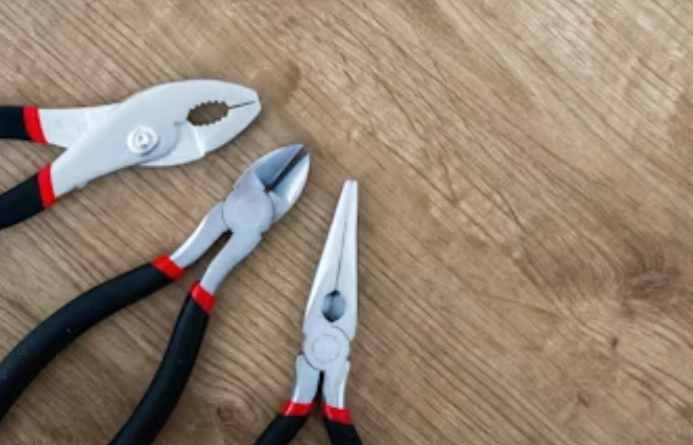
Enhanced Operator Ergonomics and Control
Comfort counts big time for steady weld quality during long shifts. Welding pliers with even weight spread ease strain on the hands. Grips that don’t slip offer solid hold in cramped spots or up high. Where exact work is key. That firm grip also ups safety around hot setups. It stops slips when you grab warm parts. Plus, after a full day, your arms don’t ache as much, which keeps mistakes low.
Why Are Welding Pliers Essential in Complex Fabrication Environments?
In today’s shops that deal with all sorts of materials and methods, being flexible matters a lot. Welding pliers slide into this setup smoothly. They back up various welding types. And they hold up under tough shop conditions.
Adaptability Across Different Welding Processes
These pliers work well for MIG, TIG, and stick welding. No matter if you’re cutting filler wires for TIG or scraping spatter off a MIG nozzle. One tool covers it. This flexibility eases upkeep in different arrangements. From stainless steel railings to thick carbon-steel frames. It keeps things running smooth no matter the material or how thick it is. In one shop I heard about, switching between jobs got way simpler with versatile tools like these.
Durability Under Industrial Conditions
Top-notch welding pliers come from tough, heat-treated steel. They take the beating from constant use. They fight off rust from metal bits and spatter. That’s a big issue in busy places. Even after years of hard daily work, solid pliers stay strong. Their cutting parts keep a sharp edge.
Compatibility with Modern Welding Equipment
New torches have fresh shapes and parts. Modern welding pliers match them just right. They clean contact tips and gas nozzles without harm. This fit works even in half-automated setups. Where hands still step in for fixes or tweaks. It’s like they were made for each other in today’s gear.
How Do Welding Pliers Improve Precision in Fabrication Workflows?
Getting things exact is what turns okay welds into top ones. Welding pliers help by nailing accuracy from wire cuts to lining up before tack welds. They make small details count in the big picture.
Consistent Wire Cutting Accuracy
Trimming MIG wire before starting the arc needs even lengths. That helps the arc start steady. Good welding pliers give neat cuts. They avoid bumps that mess with weld depth or the bead’s look. Over many jobs, exact trims cut down on scrap. You don’t redo crooked wires so often. Picture a line worker saving a few seconds per cut—that adds up fast over a shift.
Controlled Spatter Removal Techniques
Pliers with fitting jaw shapes let you pick off spatter right. Without scratching the torch or messing gas paths. A clean nozzle keeps shielding gas steady around the arc. That’s vital to skip holes or rust in the final weld. And in practice, clean tools mean fewer rejects, which every shop loves.
Alignment Support During Assembly Stages
Before tack welding bits like brackets or gussets, the pliers’ jaws hold pieces tight. This firm grab boosts how well joints line up. It makes the same setup repeatable for batch work. Across many identical parts.
In What Ways Do Welding Pliers Enhance Safety During Operations?
Safety goes beyond just gear like helmets. It’s how tools work with your space. Well-made welding pliers cut risks from burns, messy areas, and bad upkeep habits. They quietly keep things safer without fanfare.
Prevention of Accidental Burns or Slips
Grips with insulation shield hands from leftover heat when you touch new welds. Some have locks that stop drops while holding hot stuff. That lowers chances of hurts or broken nearby items. In hot shops, that’s a real lifesaver, especially on rushed days.
Reduction of Tool Clutter on Workstations
Pulling many jobs into one tool means fewer loose items around. Less mess on tables cuts trip risks on the floor. It clears paths for safe walks between spots. A tidy bench just feels better to work at.
Minimization of Maintenance Hazards
Cleaning torches puts you near heat or smoke. Plier tips let you do it from afar. This cuts direct touch dangers. It helps follow shop safety rules with the right tool habits.
How Can Welding Pliers Support Productivity Optimization?
Saving even a bit of time in setup or fixes builds up over a whole run. Welding pliers lend a steady hand in smooth, nonstop work. They help without much notice.
Streamlined Maintenance Intervals
These tools tackle routine stuff like wire cuts, spatter removal, and nozzle tightens. So, they shrink pauses from tool swaps or new ones. Using them right stretches out part life. Through careful cleaning that avoids early damage to torch bits. In a typical day, that might mean 10 fewer stops per worker.
Time Savings Through Task Consolidation
You don’t halt to find other tools mid-job. Instead, finish steps quick with the pliers. In fast-paced lines where minutes matter, this bunches tasks. It leads to better output over the hours. Workers get more done without extra effort.
Improved Resource Allocation Efficiency
One all-around tool cuts needs for extra cutters or hammers in stock. It eases training too. New hands learn just one main item, not a bunch of specials. This fits lean shop aims to trim waste. And in growing teams, that’s a smart move.
What Role Do Material and Design Play in Welding Plier Performance?
Any hand tool’s worth ties to its build and feel. Especially under heat swings and hard presses in shops. Materials and shapes make or break how well they hold up.
Influence of Material Composition on Longevity
Alloy steel gives backbone against daily wear. Coatings like nickel plating fend off rust in damp air. Hardened edges stay keen after tons of trims each day. That’s a tiny thing, but it keeps reliability high over time. Shops that pick durable ones see tools last longer, saving cash.
Impact of Design Geometry on Functionality
Jaw curves that fit right grab round rods or flat sheets without slide. Even weight makes handling simple in fine work. Like setting sheet tabs before tacks. Slim bodies reach into tight fixture spots. Where bulky tools fail. This design tweak really shines in crowded builds.
Importance of Handle Engineering for Comfort and Control
Handles get overlooked, but they count. Textures that grip through grease or grit keep hold firm. Soft padding soaks up shakes from taps. Handle spacing fits gloves without losing touch. All this aids steady work on long days. It’s the little comforts that keep folks productive.
How Do Welding Pliers Integrate Into Digitalized Fabrication Systems?
As shops go digital under Industry 4.0, basic tools like welding pliers adapt too. They link into smart flows for better tracking and use.
Compatibility with Automated Tool Stations
Some newer models fit robot arms with hand controls. Perfect for mixed setups that blend machine speed with people’s fine touch for last tweaks. A few even have sensors to log use cycles. This predicts when to fix them before breaks hit. In forward-thinking shops, this tech cuts surprises.
Role in Smart Workshop Management
In wired-up places, tags like RFID on tools track stock auto. Bosses see where each pair is anytime. Data from use goes into systems that spot jams or wear early. It stops downtime cold. Though, not every shop needs this yet—smaller ones stick to basics.
Future Innovations in Welding Plier Technology
Coming models might use light, strong composites that beat heat like steel does. Swap-out jaw parts could tailor to jobs like flux-core or aluminum MIG. All tied into networks for live checks across the floor. It’s exciting, but we’ll see how practical it gets in real dirt-and-grime shops.
FAQ
Q1: What makes welding pliers different from regular pliers?
A: Welding pliers combine multiple functions such as cutting wire, removing spatter, tightening nozzles, and light hammering—all tailored specifically for welding tasks rather than general mechanical work.
Q2: Can one pair handle both TIG and MIG jobs?
A: Yes, most professional-grade models are versatile enough for both TIG filler trimming and MIG torch maintenance due to their adaptable jaw shapes and heat-resistant build quality.
Q3: How often should welding pliers be replaced?
A: With proper care—cleaning after shifts and avoiding misuse—they can last several years even under daily industrial workloads thanks to hardened steel construction.
Q4: Are insulated handles necessary?
A: Absolutely; insulation protects against residual heat transfer when handling freshly welded components or performing torch adjustments shortly after operation.
Q5: Do digital features really matter in manual tools?
A: For large-scale operations adopting smart workshop systems, RFID tagging or sensor-based tracking helps monitor usage patterns that inform maintenance schedules—small upgrades yielding big operational insights over time.


