What’s the Difference Between Enameled and Cast Iron Dutch Ovens for Professional Kitchens
What’s the Difference Between Enameled and Cast Iron?
Both enameled and bare cast iron Dutch ovens share the same foundation — molten iron shaped into heavy, heat-retaining cookware — but their surfaces behave very differently. Bare cast iron requires seasoning to stay nonstick and rust-free, while enameled versions come coated with a glass-like layer that simplifies maintenance. For professionals, the choice depends on cooking style: bare cast iron excels at high-heat searing and browning, while enameled models shine in moisture-based dishes like braises or stews. The right selection balances performance, care routine, and kitchen workflow.
Understanding the Core Materials of Dutch Ovens
The material composition defines how each Dutch oven performs under heat and over time. Both types start from the same base metal but diverge in surface treatment and maintenance requirements.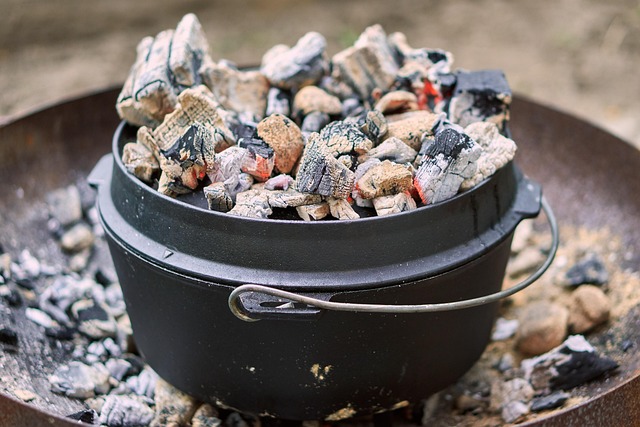
Composition and Structure of Traditional Cast Iron
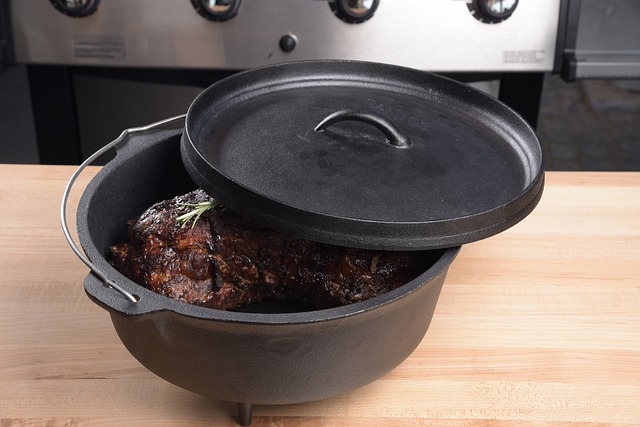
Traditional cast iron Dutch ovens are formed by pouring molten iron into sand molds, producing a porous texture that must be seasoned before use. This seasoning process creates a polymerized oil layer that protects against rust and builds a natural nonstick surface over time. Because of its dense structure, cast iron holds heat exceptionally well, making it ideal for professional kitchens where consistent temperature control is key.
Characteristics of Enameled Cast Iron Construction
Enameled cast iron begins as raw cast iron but gains a vitreous enamel coating that seals its surface. This enamel prevents oxidation, removing the need for seasoning entirely. Its smooth finish is non-reactive, which means acidic ingredients like tomato sauces or wine reductions won’t strip flavor or damage the pot. However, the enamel slightly reduces thermal conductivity compared to bare metal because it acts as a barrier between food and iron.
Heat Performance and Cooking Behavior
Thermal behavior determines how well each type responds to different cooking methods. Professionals often choose based on whether they need rapid searing or gentle simmering control.
Thermal Retention and Distribution in Bare Cast Iron
Bare cast iron excels at maintaining even heat once preheated properly. It’s favored for searing meats or roasting vegetables where temperature stability matters most. However, its mass requires patience; rushing preheating can cause uneven browning or localized hot spots. Once heated evenly, though, it delivers unmatched crust development through consistent Maillard reactions.
Thermal Dynamics of Enameled Cast Iron in Professional Use
Enameled versions warm more slowly but distribute heat reliably once stabilized. Their steady thermal profile suits long braises or stews that benefit from gradual cooking cycles. The enamel surface also helps retain moisture inside sealed lids, creating tender textures without burning sugars at the bottom. Still, sudden temperature changes—like moving from freezer to flame—can crack enamel coatings if not handled carefully.
Maintenance and Longevity Considerations
Durability depends as much on care as on construction. Bare and enameled cast irons differ sharply in upkeep routines.
Care Requirements for Bare Cast Iron Dutch Ovens
Bare cast iron demands regular oiling after cleaning to maintain its protective patina. It should never air-dry since moisture invites rust formation on exposed pores. With proper care—light oiling after each wash—it can last decades, even surviving open-fire use without degradation.
Maintenance Practices for Enameled Cast Iron Models
Enameled cookware simplifies daily cleanup because food rarely sticks to its glassy finish. It’s best washed with mild detergent rather than abrasive pads that might scratch enamel layers. Metal utensils should be avoided to prevent chipping along edges or rims. When stored carefully with lid separators to reduce friction wear, an enameled piece can remain pristine for years.
Functional Differences in Professional Kitchen Applications
In commercial kitchens, performance under pressure determines which model earns its place on the line.
Suitability of Bare Cast Iron for High-Temperature Techniques
Bare cast iron tolerates direct flame contact without damage, making it perfect for searing proteins or caramelizing sugar bases under intense heat. Its resilience also suits outdoor setups—charcoal grills or campfire stations—where temperature control is less predictable but high output is required.
Advantages of Enameled Cast Iron in Culinary Production Lines
Enameled versions transition seamlessly from stovetop to oven while preserving delicate flavors across batches. Their inert interior prevents metallic tastes when simmering acidic sauces for hours—a common scenario in fine dining prep lines. Beyond function, their polished appearance allows chefs to serve dishes directly from pot to table without compromising presentation standards.
Weight, Design, and Ergonomic Factors in Daily Operation
Physical handling influences workflow efficiency as much as heating ability does.
Physical Handling Characteristics of Each Type
Bare cast iron tends to weigh more due to thicker walls designed for durability under open flames. Enameled models sometimes feature refined handles or slightly thinner walls that improve grip during transfers between stations—a small but noticeable advantage during service rushes.
Design Variations Influencing Professional Workflow Efficiency
Lid design plays a crucial role: tight-fitting lids trap steam effectively during long braises while looser ones allow reduction when desired. In enameled interiors, lighter colors enhance visibility so chefs can judge browning stages precisely—a subtle yet valuable detail when timing matters down to seconds.
Cost Efficiency and Long-Term Investment Perspective
Choosing between these materials often comes down to balancing upfront cost with operational longevity.
Evaluating Initial Purchase Versus Lifecycle Value
Bare cast iron generally costs less initially but demands ongoing maintenance time—a factor that matters in high-volume kitchens where labor minutes count. Enameled versions cost more upfront but save cleaning effort daily, offsetting expense through reduced downtime between uses.
Assessing Replacement Frequency and Performance Stability
Properly seasoned bare cast iron rarely needs replacement; many heirloom pieces still perform flawlessly after decades of service. Enamel coatings may degrade with heavy commercial use over years—chips near rims can expose underlying metal—but careful handling extends lifespan significantly before replacement becomes necessary.
Selecting the Appropriate Dutch Oven for Specific Culinary Objectives
Selecting between these two materials depends primarily on menu focus rather than brand preference or aesthetics alone.
Matching Material Properties to Menu Requirements
For dishes emphasizing browning—like short ribs or roasted root vegetables—bare cast iron provides superior crust formation through direct metal contact. When cooking acidic stews or visually plated entrées served tableside, enameled options offer both chemical neutrality and visual appeal suitable for presentation serviceware.
Integrating Both Types into a Professional Equipment Strategy
Many professional kitchens keep both varieties side by side: bare versions handle searing stations while enameled ones manage sauce reductions or slow-cooked braises simultaneously. This dual strategy optimizes output across diverse techniques without overburdening maintenance crews or budgets.
FAQ
Q1: Can enameled Dutch ovens go directly on open flames?
A: No, direct flame exposure risks cracking enamel; they’re better suited for stovetop burners or ovens at controlled temperatures.
Q2: How often should bare cast iron be re-seasoned?
A: Light seasoning after every few uses maintains protection; deep reseasoning may be needed only once or twice yearly depending on use intensity.
Q3: Do acidic foods damage bare cast iron?
A: Yes, prolonged contact with acids like vinegar or tomatoes can strip seasoning layers unless applied briefly under high heat conditions.
Q4: Why do some chefs prefer darker enamel interiors?
A: Darker interiors hide stains better during heavy use but make color monitoring harder compared with light cream finishes favored by some professionals.
Q5: Are all enameled Dutch ovens equally durable?
A: Not necessarily; quality varies by enamel thickness and firing technique—premium brands typically apply multiple coats for chip resistance under frequent use conditions.


