
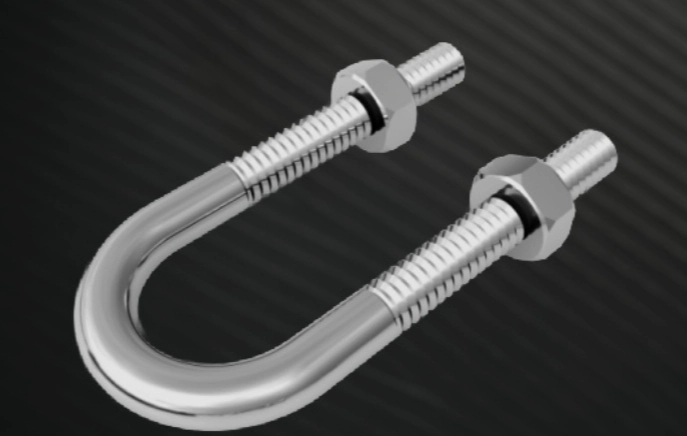
What Are U Bolts and How Do They Ensure Structural Integrity
The Role of U-Bolts in Structural Applications
U-bolts are tiny parts that handle major tasks. They secure pipes, beams, and machines firmly. This happens in tough spots that push materials and designs to their edges. You see them in bridges, ships, or cars. These bent fasteners help keep structures safe and lasting. When picked and set up right, they hold things straight amid shakes, heat shifts, and weight changes. I recall a bridge project where bad bolts led to early repairs—simple fixes could have saved time and cash.
Defining U-Bolts and Their Mechanical Function
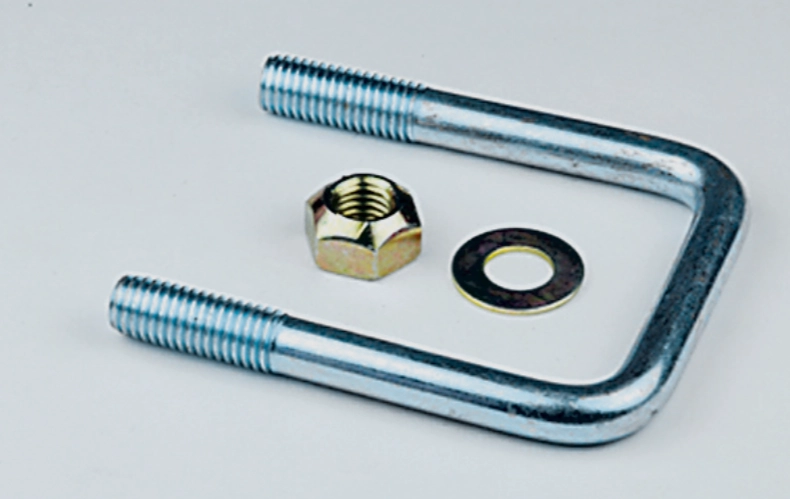
A U-bolt is a metal bar shaped like a “U” with screw-like ends. It fits around round items such as pipes or bars. The way it works turns twisting force into a tight hold. This pull stops linked parts from moving. It spreads weight evenly over areas. In building and sea projects, U-bolts often lock pipes in place or act as tie-down spots on decks and ship bodies. In machine setups, they link parts well where straight bolts can’t wrap around as nicely. Think of a factory line—those bolts keep everything from wobbling during daily runs.
The Relationship Between U-Bolts and Structural Integrity
In building setups, U-bolts keep parts lined up. They stop side-to-side or twisting shifts under moving weights. If you check a car’s wheel system or a bridge’s pipe holder, you see how key this lining is. Right twisting during setup gives steady hold pressure. It avoids too much strain on screw parts or squishing stuff under the bolt’s curve. Picking the right metal—carbon steel for everyday jobs or stainless steel for rusty spots—boosts strength against wear over years. A good U-bolt fights both physical damage and weather harm. In one auto shop I heard about, switching to better bolts cut breakdowns by half.
Material Composition and Manufacturing Considerations
Choosing the material sets how strong a U-bolt acts under pressure and weather. Each steel type offers its own perks based on the work spot and needed power.
Common Materials Used in U-Bolt Production
Carbon steel is a go-to pick for its fair price and pull strength. It works well for basic holding in homes or machine frames. Stainless steel fits spots with rust risks—like near the sea or in chem plants. The chromium in it builds a shield layer that blocks rust. Alloy steels, baked for extra toughness, tackle big jobs like truck wheels or factory lifts where high pull power counts. For instance, in a shipyard, alloy types held up against salty air for over a decade without much fuss.
Heat Treatment and Surface Finishing Processes
Makers often cool steel fast then soften it a bit. This boosts hardness and bendiness in alloy U-bolts. It stops snapping under quick hits. Surface work adds protection too. Galvanizing puts a zinc cover to fight air rust. Zinc plating gives a clean look with okay rust block. The coat’s thickness matters a lot outside. A thin one wears out fast from wind grit or sea spray. Workers in coastal builds swear by thicker coats—they last through storms that chew up thinner ones.
Sizing Standards and Dimensional Specifications
Selecting the correct size follows clear rules. These tie sizes to weight handling and safety margins.
Determining Proper Dimensions for Load Requirements
The width sets pull strength. Screw length sets how deep it grips. Inner space controls the fit on the clamped item. Say, a small U-bolt could bend under shakes. A big one might slide if not twisted tight. Rules like ASTM A307 or DIN 3570 list size limits. This lets builders match what they need with steady build quality. In a real pipeline job, matching sizes to a 500-pound load prevented slips that could have caused leaks.
Thread Types and Their Influence on Performance
Screw patterns affect how twist turns to pull. Rough screws speed up putting together. But they give less exact hold control. They suit quick jobs like short-term frame clamps. Fine screws offer better grip on pull in key spots like plane parts or high-pressure pipes. How long the screw bites in counts too. Deeper bites raise cut resistance and cut down on crack starts at weak points. Mechanics often pick fine threads for engines—they hold steady through thousands of miles.
Applications Across Structural Systems
U-bolts show up from pipe lines to cars to sea gear. They work where steadiness meets movement. Their flexibility lets them fit many building types without big changes. It’s handy in mixed setups, like a factory with both pipes and machines.
Use of U-Bolts in Pipe Support Systems
In pipe lines, U-bolts lock straight or up-down paths. They fight shifts from liquid push or pump shakes. By curving around the pipe, they share strains evenly. This beats piling stress at one spot—a big help in stopping bends over long use. Many styles add curve pads between bolt arms. These soft touches ease contact and allow some give during heat grows. In oil fields, these setups have run for 20 years with just yearly checks.
Integration of U-Bolts in Automotive and Marine Engineering
In car wheel systems, U-bolts clamp spring packs to wheel hubs. This way, repeating weights pass smooth through the frame without slips. Sea builders count on rust-proof covers. Salt water speeds up rust even on stainless metals over time. To make life longer, shake-stop pads go between metals sometimes. They cut wear from back-and-forth moves. A marine mechanic once told me about a boat that sailed oceans thanks to padded bolts—no cracks after rough waves.
Installation Practices for Optimal Performance
The finest material can flop if set up wrong. Good twisting methods and lining tips spell the gap between solid work and early breaks.
Preload Application and Torque Control Techniques
Setting right pull means twisting until the hold force hits the goal. Do this without bending screws or mashing soft stuff under flat rings or curve seats. Oil helps quietly here. It cuts rub losses so twist numbers show real pull, not energy lost to screw drag. Check and twist again after first weight runs. This keeps the link strong when work strains change. In workshops, skipping lube often leads to uneven holds—I’ve seen it cause loose parts on test drives.
Alignment, Spacing, and Load Distribution Principles
Lining mistakes can add bend strains that cut bolt life short. Keeping even gaps in groups of U-bolts spreads push the same along joined parts like bars or pipe stands. Flat rings—or better, bent seats—share weights better over round spots. This lessens deep marks that start cracks down the line. For a beam setup holding 1,000 pounds, even spacing meant no sags after months of use.
Inspection, Maintenance, and Failure Prevention Strategies
Like any part facing strain loops and weather rub, U-bolts need steady check plans fit to their work place.
Common Failure Modes Observed in U-Bolt Assemblies
Crack from wear often starts at screw bases. There, back-and-forth strains hit hardest in shake-filled jobs like car wheels or spin gear holds. Rust holes slowly shrink the metal size until what’s left can’t take the weight. Too much twist at setup can rip screws clean—specially without oil. This leads to quick link slips under work. In one truck fleet, half the early fails came from over-twisting without checks.
Maintenance Protocols for Extended Service Life
Regular eye looks spot early rust lines or screw rubs before big breaks hit. When covers fade after long weather hits—like on sea rigs with salt mist—new guard layers bring back the block. Swap times shouldn’t stick to set days only. Base them on total weight past plus weather toughness notes from steady care books. A smart plan in a plant cut replacements by 30% just by tracking use hours.
FAQ
Q1: What materials are best for marine-grade u bolts?
A: Stainless steel grades like 316 are ideal since their molybdenum content enhances corrosion resistance against seawater exposure compared with standard 304 types. These hold up well in salty conditions, much better than plain steel.
Q2: How tight should u bolts be torqued?
A: Torque depends on bolt diameter and material strength; always refer to manufacturer data sheets specifying recommended preload values rather than relying on feel alone. For a half-inch bolt, it might be around 50 foot-pounds, but check the sheet every time.
Q3: Why do some installations use saddles under u bolts?
A: Saddles spread pressure more uniformly around curved surfaces such as pipes while preventing point loading that could dent softer metals like aluminum tubing. They act like cushions in tight spots.
Q4: Can galvanized u bolts be used indoors?
A: Yes—they’re suitable indoors too though galvanizing mainly benefits outdoor setups by providing extra rust protection when humidity fluctuates widely. Inside, they still add peace of mind against damp basements.
Q5: What causes most premature failures?
A: The main culprits include improper torqueing during assembly leading to uneven stress distribution plus neglecting re-torque checks after thermal cycling periods end. Often, it’s the little oversights that build up over time.


