Why Galv Pipe Performs Better Than Standard Steel in Harsh Environments
Why Galv Pipe Is Used in Outdoor Structural Frameworks
Galv pipe remains a preferred material for outdoor frameworks because it combines structural strength with long-term corrosion resistance. The zinc coating that defines galvanization protects steel from moisture, pollutants, and temperature extremes, extending its lifespan far beyond that of bare steel. Engineers value its balance between cost efficiency and durability, especially in infrastructure exposed to harsh climates or industrial atmospheres. In practice, this means fewer replacements, less maintenance downtime, and stable performance across decades of service.
Understanding the Composition and Structure of Galvanized Pipe
The performance of galv pipe begins with its metallurgical design. Its protective zinc coating and modified microstructure create a composite surface that resists both chemical attack and mechanical wear.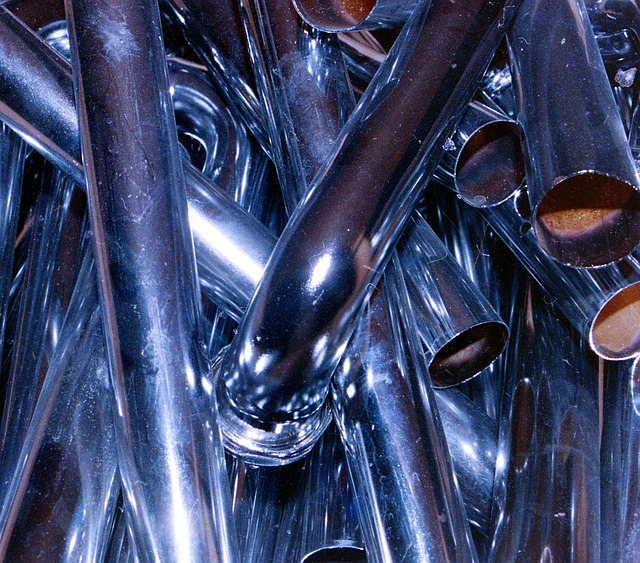
The Protective Zinc Coating Process
Galvanized pipe is produced by coating carbon steel with zinc through either hot-dip or electro-galvanization. In the hot-dip method, cleaned steel is submerged in molten zinc at around 450°C, allowing a metallurgical bond to form between the two metals. Electro-galvanization uses an electric current to deposit a thinner but more uniform layer. The zinc coating serves as both a physical barrier and an electrochemical defense against corrosion. Even when scratched or abraded, the surrounding zinc continues to protect exposed steel through sacrificial action.
Microstructural Differences Between Galv Pipe and Standard Steel
The galvanizing process alters the pipe’s surface structure at the microscopic level. During hot dipping, diffusion between iron and zinc forms multiple intermetallic layers—Gamma (Γ), Delta (δ), Zeta (ζ), and Eta (η). These layers improve adhesion and hardness compared to uncoated steel surfaces. This modification enhances wear resistance while maintaining ductility in the underlying metal. As a result, galv pipe performs reliably in conditions where standard carbon steel would corrode or pit rapidly.
Corrosion Resistance in Harsh Environments
Corrosion protection defines galvanized materials’ value proposition. The interplay between electrochemistry and environmental exposure determines how long a structure can resist degradation.
Electrochemical Mechanisms of Corrosion Protection
Zinc acts as a sacrificial anode relative to steel in the galvanic series. When moisture or electrolytes are present, zinc corrodes preferentially, preserving the integrity of the base metal beneath it. This mechanism remains effective even if small areas of coating are damaged because electrons flow from zinc-rich zones to exposed iron areas, preventing rust initiation. Furthermore, zinc oxidation products such as basic zinc carbonate fill microcracks over time, creating a self-healing effect that delays rust formation.
Performance in Marine and Industrial Settings
In coastal regions with high chloride content, galv pipe exhibits superior endurance compared to bare or painted steel. Chloride ions penetrate coatings easily on other metals but react more slowly with zinc’s passive film. In industrial zones where sulfur dioxide concentrations accelerate corrosion, galvanized coatings form stable sulfates that limit further attack. Field data often show service lives exceeding 50 years for structural components exposed to moderate marine atmospheres—a key reason bridges and guardrails still rely on galvanization.
Mechanical Strength and Structural Integrity
Beyond corrosion resistance, engineers choose galvanized pipe because it retains full mechanical strength while gaining surface protection benefits.
Comparative Load-Bearing Capacity
The galvanizing process does not significantly alter the tensile or yield strength of carbon steel substrates. Coating thicknesses typically range from 40 to 85 microns—thin enough not to influence section modulus or weight calculations used in structural design codes such as ASTM A123 or ISO 1461. This allows designers to use standard load tables while gaining additional environmental protection without redesigning components.
Impact Resistance and Fatigue Behavior
The bonded zinc-iron alloy layers absorb minor impacts from debris or handling during installation without cracking or flaking off. Under cyclic loading conditions—such as vibration in fluid transport systems—galv pipe shows improved fatigue performance due to reduced surface stress concentrations caused by corrosion pits. This characteristic makes it especially valuable for outdoor piping networks that experience pressure variations or wind-induced oscillations.
Thermal and Environmental Stability
Outdoor frameworks face wide temperature swings and ultraviolet exposure that can degrade many coatings over time; galvanized surfaces remain comparatively stable under these stresses.
Resistance to Temperature Fluctuations
Galv pipe maintains its protective properties across temperatures ranging from subzero winter conditions up to roughly 200°C without significant deterioration. Zinc’s melting point near 420°C ensures thermal stability under normal service environments like rooftop conduits or sun-exposed railings. Moreover, the similar coefficients of thermal expansion between zinc and steel minimize delamination risk during heating-cooling cycles common in outdoor installations.
Behavior Under UV Exposure and Weathering Cycles
Zinc surfaces gradually form patinas composed of oxides, hydroxides, and carbonates when exposed to alternating wet-dry cycles. These compounds act as dense barriers against further oxidation while also reflecting ultraviolet radiation effectively. Over time this natural weathering produces a matte gray finish that resists fading—aesthetic stability appreciated in architectural applications such as fences or signposts.
Economic and Lifecycle Considerations
Beyond technical advantages, galvanized systems provide measurable financial benefits across their operational life cycle.
Cost Efficiency Over Service Life
Although initial purchase prices for galv pipe exceed those for black steel by roughly 20–30%, lifecycle analyses consistently show lower total ownership costs due to reduced maintenance frequency. Periodic repainting required for uncoated structures is unnecessary here; inspection intervals can extend beyond a decade depending on environment classification per ISO 9223 standards.
Sustainability and Material Recovery Benefits
From an environmental perspective, galvanized steel aligns with circular economy goals since both base metal and coating are fully recyclable together without separation processes. Long service life reduces raw material demand over time while minimizing waste from premature component failure—a sustainability advantage recognized by agencies promoting low-carbon infrastructure development worldwide.
Practical Applications Where Galv Pipe Excels
The versatility of galv pipe supports diverse industrial sectors where reliability under exposure is critical.
Infrastructure and Construction Projects
In civil engineering works such as bridges, guardrails, street lighting poles, and pedestrian barriers, galvanized components maintain structural integrity despite constant contact with rainwater or de-icing salts. For municipal water distribution systems using above-ground lines or risers, galv pipe provides safe conveyance without contamination risks associated with rust particles common in untreated steels.
Industrial Piping and Equipment Protection
Within chemical plants or power generation facilities where humidity levels remain high year-round, galv pipe offers dependable resistance against acid gases like SO₂ or ammonia vapors that corrode ordinary alloys quickly. It also serves well for external supports around cooling towers or exhaust ducts where condensation cycles occur daily—conditions under which paint-based coatings often fail prematurely.
FAQ
Q1: How long does galv pipe last outdoors?
A: Depending on local climate severity and coating thickness, service life typically ranges from 25 years in coastal regions up to more than 70 years inland before significant corrosion occurs.
Q2: Can galv pipe be welded without losing protection?
A: Yes, but weld areas must be cleaned afterward and recoated using cold galvanizing compounds containing high zinc content to restore protection continuity.
Q3: Does galvanization affect water quality in plumbing?
A: Modern galvanized pipes meet safety standards; however, prolonged contact with very soft water may cause slight zinc leaching over decades but within regulated limits set by health authorities.
Q4: Is repainting necessary for galvanized structures?
A: Not usually; once patina forms naturally it protects effectively. Paint may be applied only for aesthetic reasons after proper surface preparation using etch primers compatible with zinc coatings.
Q5: What distinguishes hot-dip from electro-galvanized finishes?
A: Hot-dip provides thicker coatings suitable for outdoor use while electro-galvanized finishes are thinner but smoother—often selected for indoor equipment requiring precision fits rather than heavy-duty weather exposure.


