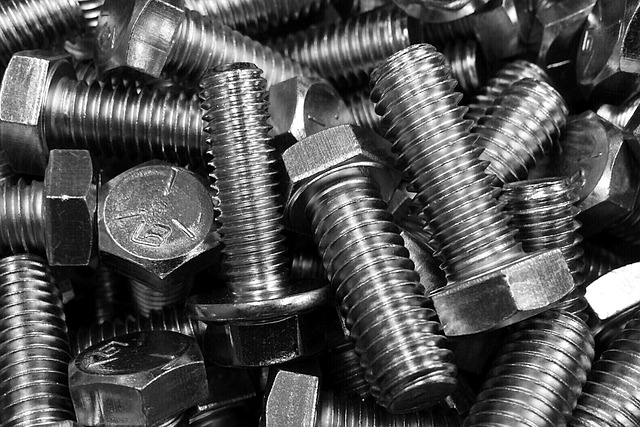
Are Lag Bolts the Same as Lag Screws or Do They Serve Different Functions
Nomenclature Debate: Lag Screws or Lag Bolts?
In professional construction and mechanical design, the terms “lag bolts” and “lag screws” often cause confusion. Both describe the same type of heavy-duty fastener, yet their naming depends on industry tradition rather than any structural difference. In practice, engineers and carpenters treat them as interchangeable. The deciding factor lies in specification standards and application context, not in terminology. Whether labeled a bolt or screw, the key is performance—load capacity, corrosion resistance, and compliance with standards like ASTM A307 or ISO 898.
Understanding Lag Bolts and Lag Screws
The distinction between lag bolts and lag screws has less to do with geometry and more with historical usage across trades. To grasp their relevance in structural applications, one must look at their design intent and performance characteristics.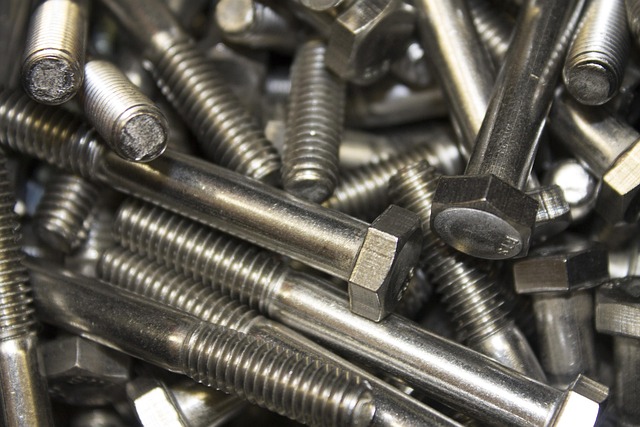
Defining Lag Bolts
Lag bolts are heavy-duty fasteners designed for structural applications where strength is critical. They feature hex heads that allow tightening with a wrench or socket, providing high torque control during installation. These bolts are commonly used in wood-to-wood or wood-to-metal connections such as deck framing, timber beams, or machinery bases. Their coarse threads bite deeply into wood fibers to create a strong mechanical bond capable of resisting shear forces.
Defining Lag Screws
Lag screws share nearly identical threading and head design but differ mainly by terminology. In some regions, “screw” highlights their self-tapping nature—the ability to cut threads into wood without the need for a nut on the opposite side. They are widely used in woodworking, construction framing, and heavy carpentry projects where direct fastening is preferred over bolted joints. The term “lag screw” is more prevalent in North America’s carpentry trade, while “lag bolt” dominates engineering documentation.
Technical Specifications and Design Differences
While both fasteners serve similar functions, their technical details—threading, head types, and material composition—define their performance envelope. Engineers often rely on these specifications to match fasteners to load-bearing requirements.
Threading Characteristics
Lag bolts typically have coarse threads optimized for gripping soft materials like wood. The thread pitch determines how much holding power a fastener can deliver under tension or shear loads. A finer pitch may increase surface contact but reduces penetration speed during installation. Metric versions follow ISO thread profiles while imperial ones adhere to UNC standards; both influence load distribution differently depending on substrate density.
Head Types and Drive Mechanisms
The most common head type for lag bolts is hexagonal because it allows precise torque application using wrenches or sockets. However, some manufacturers produce variations such as flanged or square heads for specific use cases. Drive mechanisms directly affect installation precision—impact drivers provide speed but risk overdriving if torque limits aren’t monitored carefully.
Material Composition and Coatings
Lag bolts are manufactured from carbon steel for general use, stainless steel for corrosion resistance, or hot-dip galvanized steel for outdoor exposure. Protective coatings like zinc plating extend service life in marine or humid environments by preventing oxidation at the joint interface. Material selection also determines tensile strength; stainless grades like A2-70 balance durability with resistance to environmental degradation.
Functional Applications in Structural Engineering
The versatility of lag bolts makes them indispensable across multiple engineering disciplines—from timber framing to machinery assembly—each demanding specific performance attributes.
Wood Construction and Framing Uses
In timber structures such as pergolas or roof trusses, lag bolts provide secure joints capable of bearing substantial loads without loosening under vibration. Their high shear strength makes them ideal for deck posts or ledger board anchoring where safety margins are critical. Pre-drilling pilot holes prevents splitting while maintaining alignment between connected members.
Metal-to-Wood Connections
Lag bolts also excel at fastening metal plates or brackets onto wooden substrates—for example, joining steel base plates to wooden beams in hybrid constructions. Proper alignment ensures stress loads distribute evenly across surfaces. Torque calibration using standardized charts helps prevent overdriving that could weaken the substrate around the bolt shank.
Industrial and Mechanical Applications
In machinery assembly or equipment mounting, lag bolts withstand vibration better than many threaded alternatives when paired with washers that spread clamping force evenly. Compliance with ASTM F568M or ISO 3506 guarantees consistency in mechanical properties across production batches—a crucial factor in industrial reliability assessments.
Installation Techniques and Performance Considerations
Installation quality directly influences long-term joint integrity. Engineers emphasize correct pilot hole sizing and torque management to avoid premature failure under cyclic loading conditions.
Pre-drilling Requirements and Pilot Hole Sizing
Pre-drilling reduces friction during insertion and minimizes risk of cracking dense hardwoods or laminated composites. The pilot hole diameter should match approximately 70% of the bolt’s root diameter depending on material density. For architectural finishes requiring flush surfaces, countersinking may be necessary before final tightening.
Torque Application and Load Testing Standards
Controlled torque application prevents thread stripping while ensuring sufficient clamping force between joined materials. Torque charts based on bolt grade help determine safe tightening limits—for instance, Grade 5 carbon steel requires different torque values than stainless equivalents of similar size. Periodic load testing verifies performance under real-world stress cycles such as wind uplift or machinery vibration.
Comparing Terminology: Bolt vs Screw Debate in Industry Contexts
The ongoing debate about whether these fasteners should be called “bolts” or “screws” reflects deeper differences among trades rather than functional distinctions.
Historical Usage of Terms Across Trades
Historically, machinists used “bolt” when a nut was involved and “screw” when threads engaged directly into a substrate. Carpenters adopted “lag screw” because nuts were rarely used in woodwork; engineers retained “lag bolt” due to standardization within mechanical drawings.
Modern Standardization Efforts in Fastener Classification
Organizations such as ANSI B18.2.1 and ISO 4017 now classify lag bolts/screws under unified categories recognizing their interchangeable use depending on context. These efforts simplify procurement by reducing ambiguity between regional naming conventions while maintaining dimensional consistency across manufacturers.
Practical Guidelines for Selecting Between Lag Bolts and Lag Screws
Selection depends less on terminology than on environmental conditions, mechanical loads, and compliance with building codes governing structural safety.
Factors Influencing Selection Decisions
Designers evaluate load requirements first—shear versus tension—and then consider exposure factors like moisture or chemical contact that dictate material choice (e.g., stainless vs galvanized). Compatibility between substrate hardness and thread pitch also affects pull-out resistance during service life.
Recommendations for Professional Practice
Professionals specify fasteners using standardized dimensions (diameter × length × grade) rather than colloquial names to eliminate confusion during procurement stages. Before field installation, supplier certificates should be validated against engineering calculations confirming design loads meet safety factors defined by local regulations such as Eurocode 5 or ASCE 7.
FAQ
Q1: Are lag bolts stronger than regular screws?
A: Yes, lag bolts offer higher tensile strength due to thicker shanks and coarse threads designed for structural joints rather than light-duty fastening.
Q2: Can lag bolts be used without washers?
A: Washers are recommended because they distribute load evenly across surfaces and prevent damage under high torque conditions.
Q3: What size pilot hole should be drilled for a 3/8-inch lag bolt?
A: Typically around 1/4 inch depending on wood density; softer woods may require smaller diameters while hardwoods need larger clearance.
Q4: Are stainless-steel lag bolts suitable for pressure-treated lumber?
A: Yes, provided they meet corrosion resistance requirements since modern treatments can accelerate galvanic reactions with uncoated metals.
Q5: Do building codes differentiate between calling them bolts or screws?
A: No major code distinguishes between the two terms; compliance focuses instead on mechanical rating and installation method rather than name usage.