
How Can a Flush Cut Saw Improve Tree Pruning Precision and Health
Watch Your Cuts: How to Properly Prune Your Trees for Optimal Health
Precision pruning is not just an aesthetic choice; it’s a biological necessity. Trees respond to each cut as a wound, and how that wound is made determines recovery speed and future stability. Using the right tools, such as a flush cut saw or mini saw, reduces tissue damage and supports natural healing. For arborists, mastering precision means safeguarding both tree longevity and structural safety.
The Role of Precision in Tree Pruning
Tree pruning is a technical process that shapes both the form and health of a tree. Precision defines whether the plant thrives or struggles after intervention.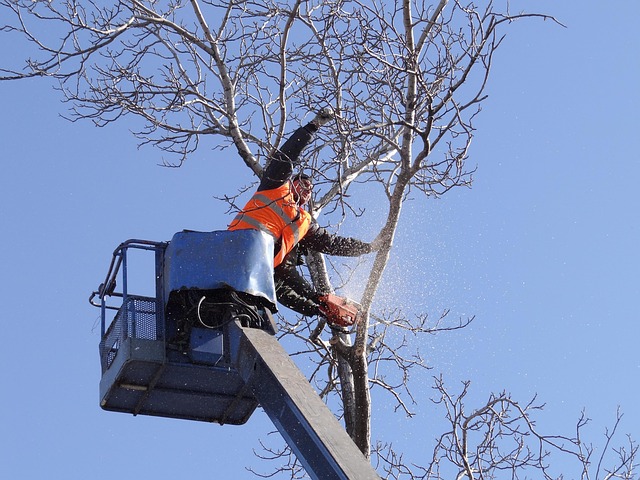
The Importance of Accurate Cuts in Tree Health
Accurate cuts reduce stress on living tissue and limit the size of open wounds. Clean cuts heal faster because they allow the tree’s natural defense cells to seal off exposed wood efficiently. When branches are pruned at proper angles, nutrient pathways remain intact, supporting balanced growth and structural integrity over time.
How Improper Cutting Techniques Affect Tree Longevity
Improper technique can shorten a tree’s lifespan. Rough or torn cuts expose internal wood to decay organisms and insect pests. Over-pruning or making flush cuts too close to the trunk can interrupt nutrient flow, weakening branch unions. Over time, these mistakes create decay pockets that compromise stability, especially in mature specimens.
The Function and Design of a Flush Cut Saw
Selecting the right tool matters as much as technique. Among specialized pruning tools, the flush cut saw stands out for its ability to create smooth, bark-safe finishes.
Key Features of a Flush Cut Saw for Arboricultural Use
A flush cut saw features thin, flexible blades that allow close trimming without scarring adjacent bark. Fine-toothed edges glide through delicate wood fibers with minimal tear-out. Ergonomic handles are designed for steady control during detailed pruning tasks where accuracy is critical.
Comparing Flush Cut Saws with Other Pruning Tools
Compared with bypass pruners or folding saws, flush cut saws have distinctive blade geometry suited for finishing work near collars or joints. Bypass pruners handle smaller green branches, while folding saws manage thicker wood where flexibility is less crucial. The flush cut saw excels when fine pruning demands precision rather than brute force.
Enhancing Pruning Precision with a Flush Cut Saw
Even with advanced tools, technique defines results. Arborists rely on stable positioning and controlled movement to achieve clean outcomes.
Techniques for Achieving Smooth, Controlled Cuts
To maintain healthy wound response, align the blade parallel to the branch collar before cutting. Use even strokes instead of forceful sawing; this preserves bark integrity. Supporting the branch during final separation prevents tearing that could extend into live tissue.
Integrating Mini Saws for Detailed Work in Tight Spaces
Mini saws complement flush cut saws when space is limited—such as interior canopy work or dense ornamental trees. Choosing appropriate blade length and tooth spacing based on wood density improves handling in confined zones. Combining both tools allows arborists to refine structure without overcutting sensitive areas.
Promoting Tree Health Through Proper Flush Cutting Practices
The science behind proper cutting lies in understanding tree anatomy and biological repair mechanisms.
Understanding the Branch Collar and Wound Closure Process
The branch collar contains protective cells vital for sealing off wounds. Cutting just outside this zone allows natural compartmentalization of decay while preserving defense tissues. Removing or damaging this collar slows recovery and leaves internal wood exposed longer than necessary.
Reducing Disease Transmission During Pruning Operations
Sanitizing blades between cuts limits pathogen transfer across trees—a simple but often neglected step in field operations. Performing major pruning during dormant months also reduces infection risk since fungal spores are less active then. Monitoring humidity and temperature helps predict optimal healing conditions after cuts.
Practical Applications in Professional Arboriculture
In professional practice, precision pruning integrates biology with ergonomics and field efficiency.
Implementing Tool Selection Strategies in Field Operations
Choosing between a flush cut saw or mini saw depends on species hardness and branch diameter. Hardwoods may require stiffer blades for control, while softer species benefit from flexible designs that follow contour lines closely. Ergonomic handles reduce fatigue during long sessions—essential when crews maintain large urban canopies daily.
Long-Term Benefits of Precision Pruning with a Flush Cut Saw
Consistent use of precise cutting methods strengthens structural integrity over decades. Trees pruned with accurate tools show fewer decay cavities and retain balanced forms even under heavy wind loads. This approach promotes sustainable maintenance cycles where trees live longer, require fewer corrective interventions, and continue providing ecological benefits like shade regulation and carbon storage.
FAQ
Q1: Why is using a flush cut saw better than standard hand saws?
A: Its flexible blade design allows close trimming near collars without harming bark tissue, producing cleaner surfaces that heal faster.
Q2: Can mini saws replace larger pruning tools entirely?
A: No, mini saws are supplementary; they’re ideal for confined spaces but lack reach for thicker limbs where stronger blades are required.
Q3: What happens if I cut into the branch collar?
A: Damaging this area removes protective cells essential for sealing wounds, increasing susceptibility to decay organisms.
Q4: How often should pruning tools be sanitized?
A: After each tree or major limb removal to prevent cross-contamination from fungal or bacterial agents common in urban landscapes.
Q5: Does season affect how well trees recover from cuts?
A: Yes, dormant-season pruning typically leads to faster callus formation because metabolic energy isn’t diverted toward leaf growth at that time.


