
Is A Torque Wrench For Spark Plugs Essential When Fixing BMW Ignition Issues
Never Done This In My Life’: Dealership Quotes BMW Driver $300 To Fix Spark Plugs. He Decides To Take Matters Into His Own Hands
A BMW owner recently balked at a $300 quote for spark plug replacement, choosing instead to perform the repair himself. What seemed like a simple task quickly revealed the precision required in BMW ignition systems. The key lies in using a proper torque wrench for spark plugs. This tool isn’t just about tightening bolts—it’s about achieving exact torque values that preserve engine integrity, prevent misfires, and maintain performance. Without it, even a well-intentioned DIY job can lead to costly damage in engines engineered with tight tolerances.
Understanding the Role of a Torque Wrench in BMW Ignition Maintenance
BMW ignition systems are designed with meticulous precision, where every fastener plays a role in combustion efficiency. The torque wrench is not just a convenience but an essential part of maintaining this balance.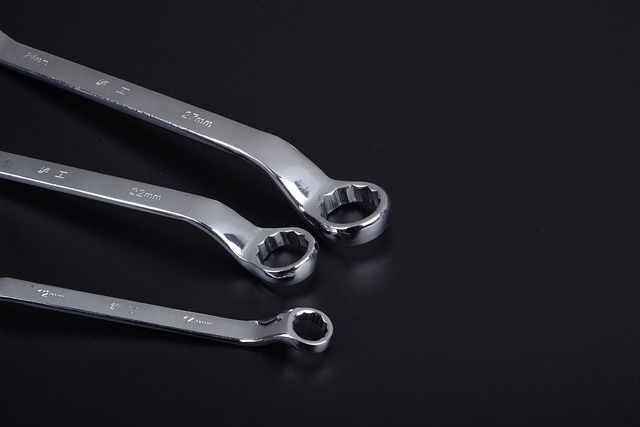
The Function of Torque Control in Spark Plug Installation
Torque regulates how tightly the spark plug seals against the cylinder head. When applied correctly, it ensures consistent compression and efficient heat transfer between the plug and engine block. Over-tightening can stretch or strip threads, especially on aluminum heads, while under-tightening may cause incomplete combustion or gas leakage. Both conditions degrade ignition performance and fuel economy over time.
Why BMW Engines Demand Precision Torque Application
BMW engines often feature lightweight aluminum cylinder heads that expand differently from steel plugs under heat. That’s why manufacturer torque values—typically between 23–28 Nm for inline-six engines—are critical. Incorrect torque can distort the plug seat or trigger misfire codes through uneven contact pressure detected by knock sensors. In turbocharged variants, slightly higher torque helps counter elevated combustion pressures while maintaining plug stability under boost.
Evaluating the Necessity of a Torque Wrench for Spark Plug Replacement
Many DIY mechanics underestimate how sensitive modern ignition systems are to torque variation. A torque wrench doesn’t just add professionalism—it preserves mechanical harmony within the combustion chamber.
Manual Tightening vs. Calibrated Torque Tools
Hand tightening relies on feel alone, which varies significantly between individuals and conditions. Even seasoned technicians can misjudge resistance due to dirt or anti-seize residue on threads. A calibrated torque wrench eliminates guesswork by delivering repeatable results within manufacturer-specified tolerances. Professionals use them not only for compliance but also to guarantee consistency across all cylinders.
Potential Consequences of Skipping Torque Calibration
Skipping proper torque calibration can lead to stripped threads—a common issue when tightening into soft aluminum heads—which may require re-threading or even head replacement costing thousands. Uneven seating pressure also causes premature plug wear and intermittent coil failures as electrical resistance fluctuates. Modern BMW diagnostic systems may then flag false misfire codes, complicating troubleshooting efforts and masking real issues.
Technical Insights into BMW Spark Plug and Ignition System Design
BMW’s ignition architecture integrates mechanical precision with electronic control, meaning small mechanical errors ripple through performance metrics like timing accuracy and coil output efficiency.
Material Composition and Thread Sensitivity of BMW Spark Plugs
Different plug materials respond differently to torque loads. Nickel plugs deform more easily than iridium ones, demanding lower tightening force to avoid crushing gaskets or distorting seats. Anti-seize compounds further complicate matters by reducing friction coefficients—thus altering effective clamping force at a given torque setting. That’s why BMW’s original equipment plugs come pre-coated to deliver correct friction without extra lubrication, aligning with factory-calibrated torque recommendations.
Integration Between Spark Plug Torque and Coil Pack Performance
Properly torqued spark plugs maintain stable dielectric insulation between coil output terminals and electrode tips. Loose plugs create micro-gaps that disrupt grounding paths, forcing coils to work harder to bridge voltage arcs—eventually leading to overheating or insulation breakdowns. Even slight misalignment can skew ion current readings used by engine control units for adaptive ignition timing adjustments.
Best Practices for Using a Torque Wrench on BMW Spark Plugs
Using a torque wrench for spark plugs requires more than selecting any tool off the shelf; it involves understanding calibration range, feedback mechanism, and application technique suited to specific engine layouts.
Selecting the Appropriate Torque Wrench Type and Range
Click-Type Wrenches
Click-type wrenches are popular among automotive technicians because they provide tactile feedback once target torque is reached—ideal for confined engine bays where visibility is limited.
Digital Torque Wrenches
Digital models offer numerical precision down to tenths of a newton-meter and often include memory storage for calibration records—valuable in professional environments adhering to ISO 6789 standards for hand torque tools.
Beam-Type Wrenches
Beam-style wrenches remain reliable for low-torque applications like spark plug installation since their analog scale allows visual confirmation without internal springs that drift over time.
Recommended Torque Specifications for Common BMW Models
Most naturally aspirated inline-six engines specify 23–28 Nm depending on thread size and gasket design. Turbocharged engines such as those in M-series models may require slightly higher values—around 30 Nm—to handle increased combustion load while preventing blow-by leakage around plug seats. Always verify these figures through official service manuals before installation rather than relying solely on generic charts circulated online.
Advanced Considerations in DIY vs Professional Ignition Repair Scenarios
While replacing spark plugs appears straightforward, differences in skill level, tool investment, and diagnostic capability separate casual DIY attempts from workshop-grade servicing.
Assessing Skill Level and Tool Investment Value for DIY Mechanics
For occasional users performing maintenance once every few years, mid-range click-type wrenches with basic calibration certificates suffice if stored properly between uses. Professionals handling multiple vehicles daily benefit from digital wrenches regularly calibrated per ISO traceability protocols to maintain accuracy within ±4%. Proper handling—including gradual load application and zeroing after use—extends tool lifespan significantly.
Cost-Benefit Analysis of Using Precision Tools in Ignition Workflows
Though purchasing a quality torque wrench may cost $100–$200 upfront, it offsets potential expenses from damaged threads or faulty installations that could exceed $1,000 in repairs. Consistent torque application also stabilizes long-term engine performance by maintaining even compression ratios across cylinders. Moreover, accurate installations reduce false positives during diagnostics since mechanical inconsistencies no longer interfere with sensor readings—a subtle yet vital advantage when working on electronically complex powertrains like modern BMWs.
FAQ
Q1: What happens if spark plugs are over-tightened on a BMW?
A: Over-tightening can strip aluminum threads or crush sealing washers, leading to loss of compression or expensive cylinder head repairs.
Q2: Can anti-seize be used on BMW spark plug threads?
A: It’s not recommended because OEM plugs already have protective coatings; extra compound alters friction values and skews applied torque accuracy.
Q3: How often should a torque wrench be calibrated?
A: For professional use, every 5,000 cycles or annually per ISO 6789 guidelines; occasional users should recalibrate every two years if stored correctly.
Q4: Is hand tightening ever acceptable?
A: Only as an initial step before final torquing; relying solely on hand feel risks uneven seating pressures detrimental to combustion consistency.
Q5: Why do some DIYers still skip using torque wrenches?
A: Many assume experience substitutes precision tools, but modern engines’ narrow tolerances mean even minor deviations affect performance reliability over time.


