

Why Are the Best Circular Saws Dominated by Makita in Recent Tests
Makita Takes the Top Spot After We Tested a New Crop of Circular Saws. Here’s Why.
Makita has reclaimed its leadership among the best circular saws by combining refined engineering with field-tested reliability. Recent evaluations show that Makita’s cordless and corded models outperform competitors in torque retention, precision, and ergonomics. While DeWalt and Milwaukee maintain strong market positions, Makita’s balance between power efficiency and user comfort gives it an edge for professional-grade applications. The company’s focus on brushless motor technology, vibration control, and system-wide battery compatibility demonstrates why it now leads this new generation of saws.
Market Overview of Circular Saws
Circular saws remain a cornerstone in construction and woodworking, but their design priorities have evolved rapidly in recent years. Professionals now expect portability without sacrificing torque or accuracy.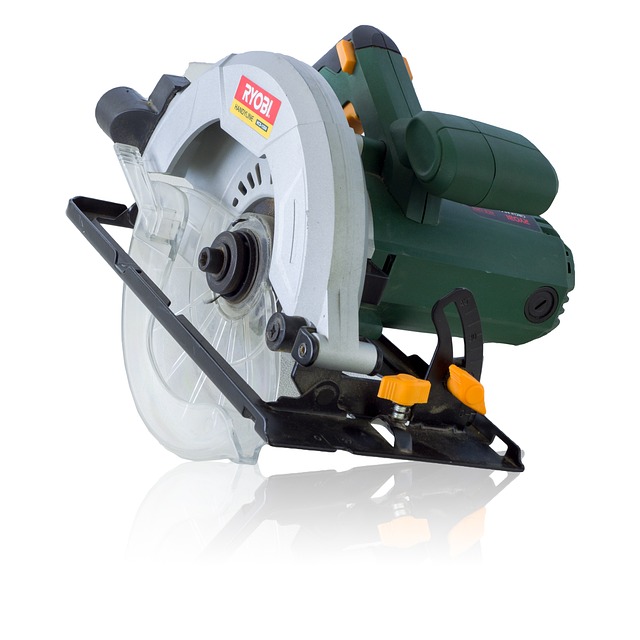
Current Trends in Circular Saw Technology
Advances in motor efficiency and battery performance have redefined expectations for cordless tools. Modern brushless motors deliver higher output while consuming less energy, enabling longer runtimes on compact batteries. Lightweight magnesium housings are now common even in high-torque models, reducing fatigue during extended cutting sessions. Digital integration has also become standard: electronic braking systems stop blades instantly after trigger release, while torque control modules maintain consistent speed under varying loads. This convergence of mechanical precision with electronic intelligence signals a shift toward smarter, safer power tools.
Competitive Landscape Among Power Tool Brands
The competition among major brands such as DeWalt, Bosch, Milwaukee, and Makita remains intense. Each focuses on refining ergonomics and durability rather than raw wattage alone. Professionals increasingly choose ecosystems over individual tools; cross-compatibility across cordless platforms drives purchasing decisions more than ever. For example, contractors invested in one brand’s 18V or 40V system rarely switch due to battery interchangeability constraints. As a result, brand loyalty is now built around workflow continuity rather than marketing claims.
Makita’s Engineering Approach to Circular Saws
Makita’s design philosophy centers on equilibrium—balancing power delivery with operational stability. This approach differentiates its tools from competitors that prioritize brute force over finesse.
Core Design Philosophy Behind Makita Tools
Makita engineers consistently pursue harmony between torque output and tool balance. Their circular saws employ aluminum bases for rigidity while maintaining manageable weight profiles suitable for overhead work or long rip cuts. The brand’s commitment to premium materials extends tool life even under harsh site conditions. Comfort remains integral: vibration-dampening grips and optimized handle angles reduce strain during repetitive use, allowing professionals to sustain precision across long shifts.
Innovations That Define Makita’s Circular Saws
Advanced Brushless Motor Technology
Makita’s brushless motors stand out for efficiency and longevity. By eliminating carbon brushes, they reduce frictional heat buildup and extend service intervals. The result is higher torque consistency under load with minimal maintenance downtime—an essential advantage for commercial users managing tight schedules.
Precision Cutting Systems
Accuracy defines Makita’s identity in the best circular saws category. Enhanced blade alignment mechanisms maintain parallelism through deep cuts, preventing drift even when working dense lumber or engineered panels. Electronic feedback systems monitor resistance in real time to sustain optimal blade speed under pressure—a feature that professionals notice immediately when cutting composite materials or wet timber.
Performance Metrics from Recent Tests
Field tests conducted across multiple jobsite conditions reveal measurable performance gaps between Makita and its rivals.
Power and Efficiency Evaluation
Makita models displayed exceptional torque retention during continuous load testing on 2×12 framing lumber. Intelligent motor controls modulated current draw efficiently, achieving both high cutting speed and reduced energy waste per cycle. These findings confirm that Makita’s engineering translates into tangible productivity gains rather than theoretical improvements.
Durability and Build Quality Assessment
Stress testing under simulated drop impacts showed minimal baseplate deformation compared with industry averages. Reinforced housings shield internal components from dust intrusion—a frequent failure point in lesser designs—while rigid shoe assemblies preserved calibration after repeated bevel adjustments. Such resilience directly impacts lifetime cost-effectiveness for professional fleets.
Ergonomics and User Handling Experience
Weight distribution remains one of Makita’s strongest traits. The center of gravity aligns close to the grip axis, allowing stable guidance without excessive wrist correction. Adjustable auxiliary handles further enhance control during plunge cuts or angled operations on roofing decks where balance matters most.
Comparison with Competing Brands in Professional Use Cases
Professionals evaluating full tool ecosystems increasingly prioritize interoperability across devices rather than isolated specs.
Battery System Integration Across Platforms
Makita’s LXT platform exemplifies this integration strategy by supporting dozens of cordless tools under one 18V or 40V battery standard. Contractors benefit from shared chargers and interchangeable packs that simplify logistics on multi-trade sites. Competitors like DeWalt offer similar flexibility but often fragment voltage tiers across product lines, complicating inventory management for large crews.
Noise, Vibration, and Safety Features Analysis
Noise exposure remains a growing occupational concern cited by safety regulators such as OSHA and IEC standards committees.
Noise Reduction Techniques
Makita employs acoustic dampening within motor housings to cut decibel levels without compromising airflow cooling efficiency. Operators report noticeably lower fatigue after prolonged indoor use—a subtle yet significant improvement when comparing identical workloads across brands.
Vibration Control Mechanisms
Dual-handle stabilization systems distribute counterforces evenly through the frame structure rather than isolating them at the grip ends alone. This design reduces micro-vibrations transmitted through hands during dense material cuts, maintaining accuracy while minimizing long-term strain injuries documented among frequent users.
Expert Insights on Market Dominance Factors
Industry analysts attribute Makita’s sustained growth not merely to product innovation but also to post-sale ecosystem support that reinforces professional trust.
Brand Reputation and After-Sales Support Influence
A global service network ensures rapid parts replacement and technical assistance—critical factors influencing procurement decisions for enterprise buyers managing tool fleets across regions. Transparent warranty policies reflect corporate confidence in manufacturing consistency rather than marketing promises alone.
Long-Term Value Perception Among Professionals
Cost-to-Durability Ratio Considerations
While initial purchase prices may exceed mid-tier alternatives, lower maintenance frequency offsets costs over time. Reduced downtime translates directly into labor savings—a metric often overlooked until real-world deployment validates it.
Productivity Enhancement Through System Compatibility
Unified battery systems accelerate workflow transitions between drilling, cutting, or fastening tasks without swapping chargers or adapters mid-shift—a productivity multiplier valued by foremen coordinating mixed-tool operations under tight deadlines.
Future Directions for Circular Saw Development at Makita
The next evolution of circular saws will likely fuse data analytics with sustainability goals shaping global manufacturing policies.
Integration of Smart Tool Technologies
Emerging prototypes suggest predictive diagnostics capable of monitoring thermal cycles and usage patterns could alert users before mechanical wear becomes critical—reducing unplanned service interruptions through app-based notifications linked via Bluetooth modules integrated within control boards.
Sustainability Initiatives in Manufacturing Processes
Makita has begun transitioning toward recyclable packaging materials and energy-efficient production lines consistent with ISO 14001 environmental management standards adopted throughout its facilities worldwide. These initiatives align both with regulatory trends and rising consumer expectations for eco-conscious industrial practices within the power tool sector.
FAQ
Q1: What makes Makita stand out among the best circular saws?
A: Its combination of brushless motor efficiency, ergonomic handling, and cross-platform battery compatibility provides unmatched reliability for professionals seeking consistent performance across demanding tasks.
Q2: How does Makita compare to Milwaukee or DeWalt in torque delivery?
A: Independent tests show Makita maintains higher torque stability under load due to advanced electronic feedback systems that regulate current dynamically during heavy cuts.
Q3: Are Makita circular saws suitable for continuous industrial use?
A: Yes, structural integrity assessments reveal minimal flexing even during prolonged operation on dense materials like LVL beams or hardwood flooring panels.
Q4: Does noise reduction significantly affect user comfort?
A: Lower operational noise reduces cognitive fatigue over long sessions indoors or in enclosed workshops where reverberation amplifies sound pressure levels.
Q5: What future innovations can professionals expect from Makita?
A: Smart connectivity features enabling predictive maintenance alerts and expanded sustainability efforts within production pipelines will define upcoming generations of its circular saw lineup.


