
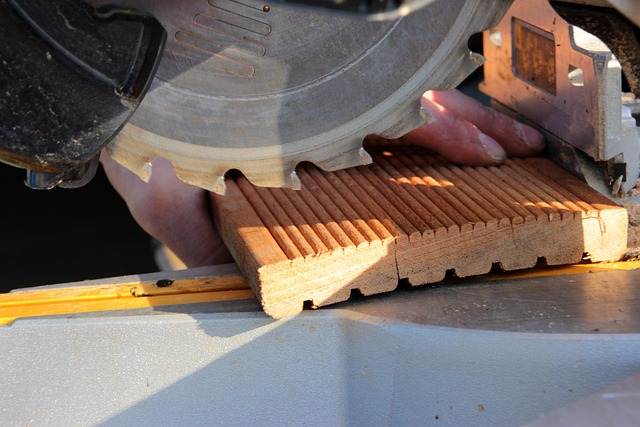
Is The Dewalt Cutoff Saw Still Competitive Against Bosch Miter Saws
Best Angle Grinder Disc For Rust Removal That Works Fast!
A grinder flap disc is the top choice for fast, controlled rust removal. It combines aggressive cutting action with a smooth finish, outperforming traditional grinding wheels in both speed and surface quality. The overlapping abrasive flaps continuously expose new cutting edges, maintaining consistent performance even under heavy use. When paired with the right grit and rotation speed, a flap disc can strip oxidation layers efficiently without overheating or damaging the base metal. Professionals favor it for its balance of durability, precision, and comfort during prolonged operation.
Understanding the Functionality of a Grinder Flap Disc
The efficiency of a grinder flap disc lies in its layered design and material composition. Each component contributes to its ability to remove rust quickly while maintaining control over surface texture.
Structural Composition and Material Design
A grinder flap disc consists of overlapping abrasive flaps bonded to a rigid backing plate. These flaps are typically made from zirconia alumina, ceramic, or aluminum oxide—materials known for their hardness and heat resistance. The structure ensures that as the outer layer wears down, fresh abrasive grains are exposed, allowing continuous cutting action. This self-renewing feature keeps removal rates steady throughout the disc’s lifespan.
How Flap Discs Differ from Traditional Grinding Wheels
Unlike hard grinding wheels that can gouge metal or generate excessive heat, flap discs deliver smoother finishes with less thermal buildup. They also provide more control over material removal thanks to their flexible flaps that conform to surface irregularities. Reduced vibration means less operator fatigue during extended sessions—a notable advantage in industrial applications where precision and comfort matter.
The Science Behind Fast Rust Removal Efficiency
The superior rust-removal capability of flap discs results from careful engineering of abrasive grain type, geometry, and cooling mechanisms.
The Role of Abrasive Grain Selection in Rust Removal
Coarser grits (around 40–50) effectively strip thick oxidation layers without harming the underlying metal. Abrasive hardness determines both cutting speed and wear resistance; zirconia alumina offers long-lasting aggressiveness while ceramic grains maintain sharpness under pressure. The shape of each grain affects contact area—angular geometries cut faster by concentrating force into smaller points.
Heat Dissipation and Anti-Clogging Mechanisms
Even spacing between flaps promotes airflow during rotation, which helps dissipate heat and prevents discoloration or warping of the workpiece. This airflow also reduces clogging from rust dust or paint residue. The anti-clogging behavior keeps performance consistent across extended use, especially when working on corroded or coated metals.
Technical Parameters That Enhance Performance
Performance depends not only on material quality but also on choosing appropriate grit size, disc diameter, and rotational speed for each task.
Optimal Grit Range for Rust Removal Applications
Medium grits (60–80) strike a balance between aggressive removal and a clean surface ready for primer application. Finer grits (100–120) are ideal for finishing passes before painting or coating. Coarse grits (40–50) handle heavy corrosion layers efficiently but may require follow-up smoothing for aesthetic surfaces.
Influence of Disc Diameter and Rotation Speed
Larger discs cover more area per pass but need stable torque output to maintain uniform contact pressure. Matching disc RPM ratings with grinder specifications prevents premature wear or structural failure. Consistent rotational speed ensures even rust removal across flat or curved surfaces without streaking.
Compatibility with Angle Grinders and Workpiece Materials
Flap discs perform best when correctly matched to angle grinders and metal types used in fabrication or repair work.
Selecting the Right Grinder Setup for Flap Discs
Disc diameter must correspond to grinder specifications to maintain safety margins at high speeds. Variable-speed grinders give better control over aggressive removal rates when switching between coarse and fine grits. Proper arbor alignment minimizes vibration that could compromise finish quality or operator safety.
Application Across Different Metal Surfaces
Flap discs excel on carbon steel, stainless steel, and cast iron surfaces alike. Adjusting pressure according to metal hardness prevents gouging soft alloys while ensuring sufficient bite on harder materials. Flexible flaps adapt well to both flat sheets and contoured shapes like pipe joints or weld seams.
Maximizing Longevity and Operational Safety of Flap Discs
Proper maintenance practices extend tool life while maintaining safe operation standards during high-speed grinding tasks.
Maintenance Practices for Extended Disc Life
Inspect flaps regularly for uneven wear or cracks near the hub area. Applying excessive pressure can cause overheating that weakens bonding resin and shortens lifespan. Storing discs in dry environments avoids moisture-induced degradation that leads to delamination during use.
Safety Considerations During High-Speed Operation
Protective gear—eye shields, gloves, face masks—is essential when using high-RPM tools. Always check disc condition before mounting; damaged units risk rupture under load. Maintaining a working angle between 15°–30° provides optimal control while directing debris away from the user’s line of sight.
Innovations in Flap Disc Technology for Enhanced Efficiency
Recent developments have focused on improving bonding strength, thermal stability, and versatility through hybrid abrasive systems.
Advanced Bonding Systems and Anti-Foam Additives
Modern resin bonding formulations resist softening under high temperatures generated by frictional loads. Anti foam additives stabilize resin curing during production, improving adhesion between abrasive layers and backing plates. This enhancement maintains consistent exposure of active grains throughout the product’s service life—even under demanding industrial cycles.
Integration of Hybrid Abrasives for Multi-Purpose Use
Combining ceramic with zirconia grains yields hybrid discs capable of both rapid stock removal and fine finishing across different metals. These mixed formulations retain cutting aggressiveness while producing smoother finishes than single-material options. Extended durability reduces downtime from frequent tool changes—a key advantage in high-volume fabrication environments.
FAQ
Q1: What makes a grinder flap disc better than a wire brush for rust removal?
A: A flap disc removes rust faster with less surface damage because its abrasive grains cut rather than scrape, providing cleaner results on steel surfaces.
Q2: Can anti foam additives affect grinding performance?
A: Yes, anti foam components enhance bonding stability during manufacturing, which improves durability under continuous heat exposure without altering grinding efficiency.
Q3: Which grit should be used before painting metal after rust removal?
A: A 100–120 grit flap disc provides an ideal pre-paint finish by smoothing micro-scratches left from coarser passes.
Q4: How often should flap discs be replaced?
A: Replace them once flaps lose uniform length or expose backing material; typically after several hours of heavy use depending on pressure applied.
Q5: Are all flap discs suitable for stainless steel?
A: Not all—choose zirconia or ceramic-based discs marked as stainless-safe since they avoid contamination that causes discoloration during polishing stages.


