
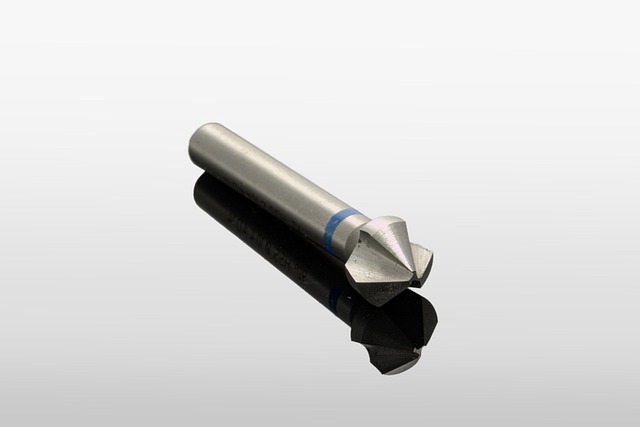
What Makes a Wood Countersink Bit Essential for Precision Depth Control
DEWALT Recalls Grinder Flap Discs Due to Laceration and Injury Hazards
The DEWALT flap disc recall represents a significant safety intervention in the power tool accessories market. The affected flap discs, used with angle grinders, have been linked to potential laceration risks due to structural failures during operation. This recall highlights the importance of rigorous product testing, compliance with safety standards, and responsible communication within the supply chain. For professionals using a flap disc for angle grinder applications, identifying affected units and following updated inspection protocols is essential to maintaining workplace safety.
Understanding the DEWALT Flap Disc Recall
The recall of DEWALT’s grinder flap discs has raised industry-wide attention among tool manufacturers and users alike. The scope of the recall, reasons behind it, and the technical implications all play a crucial role in understanding its impact on professional operations.
Overview of the Recall Announcement
The recalled products include specific DEWALT flap discs designed for use with standard 4½-inch and 5-inch angle grinders. These discs were sold under various grit sizes and wheel types intended for metal surface finishing. Affected models can be identified by batch codes printed on the disc hub or outer packaging. The recall was officially announced through regulatory channels and communicated via authorized distributors and online safety bulletins. The timeline of this announcement followed reports of product malfunction leading to user injuries.
Reasons Behind the Recall Decision
The primary reason for this recall stems from incidents where discs fractured during high-speed rotation, posing laceration hazards. Investigations revealed that certain batches exhibited inconsistent bonding strength between abrasive layers and resin adhesives. Such structural weaknesses could cause segments to detach when subjected to operational stress. Safety audits also indicated that some units failed to meet ANSI B7.1 standards for bonded abrasive products, prompting immediate corrective action by DEWALT.
Technical Analysis of the Flap Disc for Angle Grinder
A closer examination of material integrity and performance behavior under load helps explain how such failures occur. Professionals rely on these insights to evaluate both recalled and replacement products.
Structural Composition and Material Integrity
DEWALT’s flap discs typically comprise layered abrasive flaps made from zirconia alumina or ceramic grain bonded onto a fiberglass backing plate using phenolic resin adhesives. When adhesive curing is incomplete or unevenly distributed, micro-separation can form between layers, reducing tensile strength at high RPMs. Continuous exposure to vibration or excessive heat accelerates this degradation process, increasing rupture likelihood during grinding tasks.
Performance Factors Influencing Safety Risks
Disc balance plays a major role in maintaining safe operation. Poorly balanced assemblies generate vibration that transfers through the grinder body, making control difficult for operators. Over-speeding—using a disc rated below the grinder’s maximum RPM—further amplifies centrifugal force on each flap segment. Even minor deviations from mounting alignment can induce wobble, stressing both disc edges and bonding joints beyond their design limits.
Examination of Packaging and Storage Conditions Affecting Product Performance
Improper packaging or storage can compromise product integrity before use. Moisture absorption weakens resin bonds over time, while physical impacts during transport may cause hidden cracks in backing plates. Implementing a sharp packaging solution with reinforced inserts minimizes such risks by stabilizing each disc within its container, preventing edge wear or delamination prior to installation.
Identifying Affected Flap Discs in Professional Use
Recognizing defective or recalled units quickly is essential for maintaining workshop safety standards and avoiding potential injury incidents.
Visual and Label-Based Identification Methods
Each DEWALT flap disc carries key identifiers such as model numbers, grit size codes, and production batch stamps around the arbor hole or on packaging labels. Users should inspect these markings carefully against published recall lists. Physical signs like uneven flap distribution, surface bubbling near adhesive joints, or visible delamination indicate compromised quality even if batch codes appear unaffected.
Verification Through Manufacturer Resources
Professionals are advised to cross-check serial information directly with DEWALT’s official recall database using online verification tools or customer service hotlines. Authorized distributors can confirm whether specific stock qualifies for replacement under warranty terms. Maintaining digital records of purchase receipts aids traceability throughout this verification process.
Risk Mitigation Strategies for Workshop Operations
Beyond identifying faulty products, workshops must adopt preventive strategies that enhance operator safety when using any flap disc for angle grinder applications.
Safe Handling and Inspection Protocols
Before installation, each disc should undergo visual inspection under adequate lighting conditions to detect cracks or irregularities along its circumference. Running a newly mounted disc at low speed for several seconds allows technicians to observe potential imbalance before full-speed operation begins—a simple yet effective test that prevents catastrophic breakage events.
Storage and Packaging Considerations for Sharp Products
Proper storage practices significantly extend product lifespan and reliability across industrial environments.
Role of Sharp Packaging Solutions in Preventing Damage
Using a sharp packaging solution designed specifically for abrasive tools ensures consistent protection against vibration damage during transit. Protective spacers prevent contact between individual discs while moisture-resistant liners preserve adhesive integrity over long-term storage periods. Such packaging not only supports mechanical durability but also aligns with ISO 9001 quality management principles emphasizing controlled environmental conditions for sensitive materials.
Industry Implications and Professional Responsibilities
This recall underscores broader responsibilities within occupational safety frameworks governing power tool accessories manufacturing and distribution.
Impact on Occupational Safety Standards and Compliance Practices
Regulatory bodies like OSHA require employers to maintain up-to-date knowledge of product recalls impacting workplace equipment inventories. Integrating recall awareness into routine safety training reinforces compliance culture among operators handling rotating tools daily.
Maintaining Supply Chain Accountability in Abrasive Tool Distribution
Distributors play an equally critical role by ensuring timely dissemination of recall notices across all sales channels. Implementing traceability systems using serialized barcodes enhances visibility from production through end-user delivery—a key factor in rapid containment during future recalls involving high-speed rotating components like flap discs.
Evaluating Alternatives and Future Developments in Abrasive Technology
While addressing current safety issues remains priority one, innovation continues toward creating safer abrasive solutions built on advanced engineering methods.
Advances in Safer Flap Disc Engineering
Recent developments include hybrid fiber backings reinforced with woven glass mesh that resist fracture propagation even under overload conditions. New resin formulations improve thermal stability while maintaining flexibility across varying operating temperatures—reducing fatigue-related failures common in earlier designs.
The Role of Smart Packaging and Traceability Technologies
Smart labeling systems featuring embedded QR codes now allow instant verification against live recall databases via mobile scanning devices. Integration with enterprise resource planning software enables predictive maintenance alerts when stored inventory nears recommended shelf life limits—a proactive approach aligning with modern industrial safety philosophies emphasizing prevention over reaction.
FAQ
Q1: Which DEWALT flap disc models are included in the recall?
A: The recall covers selected 4½-inch and 5-inch metal grinding flap discs identified by specific batch codes printed on their hubs or packaging labels distributed through authorized dealers.
Q2: What hazard does the recalled product pose?
A: Certain discs may fracture during normal use due to bonding defects, creating flying debris that can cause lacerations or impact injuries to operators nearby.
Q3: How can professionals verify if their stock is affected?
A: Verification can be done through DEWALT’s online recall lookup tool using model numbers or batch identifiers found directly on each product label.
Q4: What immediate steps should workshops take after discovering affected items?
A: Stop usage immediately, isolate all suspect stock from active inventory, contact authorized distributors for return instructions, and document all serial data for traceability records.
Q5: Are there safer alternatives available now?
A: Yes, newer generations of reinforced fiber-backed flap discs feature improved bonding technology designed to withstand higher rotational stress levels safely without compromising grinding performance.


