
How Does a Masonry Drill Bit Enhance the Efficiency of Sandvik Tundo RH700
Sandvik Tundo RH700 Cluster Hammer Unit for Underground Mining
The Sandvik Tundo RH700 Cluster Hammer Unit stands as a benchmark in modern underground drilling technology. Designed for high-impact precision, it combines multiple hammers into a synchronized system that cuts through hard rock with minimal downtime. Its modular design and compatibility with advanced electric drill setups make it a preferred choice for deep mining operations where accuracy, durability, and reduced maintenance are essential. The integration of specialized masonry drill bits further enhances its penetration performance and tool life, offering consistent results even in abrasive geological conditions.
Overview of the RH700 System
The RH700 system is built to handle the harsh realities of underground mining. It integrates multiple impact hammers in a single unit to improve drilling efficiency while maintaining stability in confined spaces.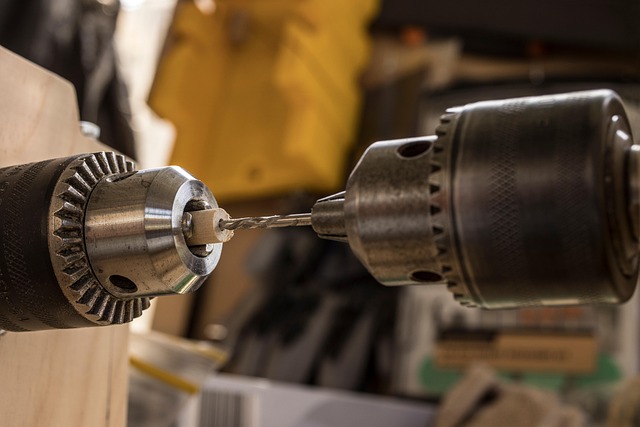
High-Performance Cluster Configuration
Each hammer within the RH700 operates independently, generating uniform impact energy across the drilling face. This configuration prevents uneven wear and maintains consistent penetration rates even when encountering variable rock densities.
Efficiency in Hard-Rock Environments
By combining multiple hammers, the system reduces total drilling time compared to single-hammer setups. Operators report that the RH700’s balanced energy output enables faster progress through granite and basalt formations without overheating or tool deflection.
Precision Engineering for Confined Operations
The compact structure of the RH700 allows operation in tunnels or shafts where space is limited. Its vibration control mechanisms stabilize performance, reducing deviation from planned borehole trajectories.
Core Functional Components of the RH700
At its core, the RH700 relies on independent hammer modules supported by advanced control systems. These components work together to maintain power delivery and mechanical integrity during continuous operation.
Independent Hammer Operation
Each hammer module functions autonomously, maintaining consistent energy distribution across all impact points. This independence minimizes shock transfer between units and extends component life under high load cycles.
Modular Design for Maintenance
The modular assembly simplifies inspection and replacement of worn parts. Technicians can isolate individual hammers or replace seals without dismantling the entire unit, cutting service time significantly.
Advanced Control Integration
Electronic monitoring systems track pressure, temperature, and vibration levels in real time. This data allows operators to adjust parameters instantly, improving accuracy and reducing downtime caused by overloading or misalignment.
The Role of Masonry Drill Bits in Cluster Hammer Performance
Masonry drill bits serve as the critical interface between mechanical force and geological resistance. Their material composition directly influences how effectively the RH700 transfers energy into rock surfaces.
Material Composition and Structural Design of Masonry Drill Bits
High-grade tungsten carbide tips provide superior hardness against abrasive minerals. Spiral flutes along the bit body channel debris outward efficiently, reducing friction buildup during deep-hole drilling. The heat-treated alloy steel body resists deformation under repeated impacts.
Compatibility Between Masonry Drill Bits and the RH700 System
Selecting a bit with proper shank dimensions and tip geometry ensures full energy transfer from each hammer stroke to the rock face. Poorly matched bits can cause premature wear or erratic hole patterns that compromise structural stability.
Balanced Torque Distribution
When properly aligned with the cluster head, masonry bits help distribute torque evenly across all hammers. This reduces vibration amplitude and protects both bit edges and internal hammer seals from fatigue failure.
Enhancing Drilling Efficiency Through Bit Optimization
Bit geometry plays a decisive role in determining how quickly material is removed per stroke. Subtle changes in flute depth or edge angle can alter performance outcomes dramatically.
Influence of Bit Geometry on Penetration Rate
A sharper cutting edge angle improves chip formation but may dull faster in quartz-rich formations. Deeper flutes enhance dust evacuation during long bores, preventing clogging that slows progress. Optimized tip curvature helps maintain consistent contact pressure throughout impact cycles.
Impact of Bit Material on Operational Longevity
Tungsten carbide inserts resist micro-fracturing under extreme loads. Coatings such as titanium nitride (TiN) or titanium aluminum nitride (TiAlN) increase surface hardness while dissipating heat more effectively than uncoated steel bits. These materials extend service intervals between replacements.
Integration of Electric Drills in the RH700 System Setup
Electric drills are increasingly paired with cluster hammer units due to their stable torque characteristics and controllable speed profiles suited for precision mining work.
Electric Drill Power Transmission Characteristics
Electric drives deliver steady torque output without pressure fluctuations typical of pneumatic systems. Variable speed controls allow adaptation to different rock hardness levels or bit diameters while maintaining efficient power usage.
Synchronization Between Electric Drill Operation and Cluster Hammer Functionality
Coordinating electric drive output with hammer frequency prevents overload on any single module within the cluster unit. Feedback sensors measure torque and vibration continuously to adjust motor speed dynamically for smoother operation.
Operational Advantages Achieved Through Bit–System Synergy
When masonry drill bits are tuned precisely to match cluster hammer dynamics, overall drilling performance improves noticeably across several operational metrics.
Improved Penetration Efficiency in Underground Conditions
Efficient transfer of kinetic energy from hammer pistons through properly selected bits increases penetration per stroke while keeping power consumption low. Enhanced debris flow prevents clogging even in narrow boreholes typical of sublevel stoping operations.
Reduction in Maintenance Frequency and Equipment Wear
Balanced vibration levels reduce stress on mounting assemblies and bearing housings. Predictable wear patterns make it easier to schedule maintenance intervals based on actual usage rather than estimated hours alone, boosting uptime ratios across shifts.
Future Developments in Drill Bit Technology for Cluster Hammers
The next generation of cluster hammer tools will rely heavily on smart materials and embedded monitoring technologies designed for data-driven maintenance planning.
Advancements in Composite Materials and Coatings
Nanocomposite coatings offer improved thermal resistance during extended drilling sessions where conventional coatings might degrade quickly. Hybrid carbide blends combine toughness with hardness for longer-lasting cutting edges that maintain sharpness over thousands of impacts.
Smart Bit Monitoring Systems
Sensor-equipped bits capable of tracking temperature, vibration amplitude, and wear depth are emerging as part of automated mining solutions. These systems feed real-time data into predictive algorithms that alert operators before tool failure occurs, reducing unplanned stoppages underground.
FAQ
Q1: What distinguishes the Sandvik Tundo RH700 from other cluster hammers?
A: It uses independently operating hammers combined with modular construction for faster drilling cycles and simplified maintenance access.
Q2: How do masonry drill bits enhance performance?
A: Their carbide-tipped edges improve penetration efficiency while spiral flutes help remove debris quickly during deep-hole applications.
Q3: Why integrate electric drills instead of pneumatic ones?
A: Electric drills provide steadier torque output with less mechanical loss, improving control over speed and reducing energy waste underground.
Q4: What materials increase bit longevity?
A: Tungsten carbide inserts combined with TiN or TiAlN coatings extend wear life under abrasive conditions common in hard-rock mining zones.
Q5: Are smart monitoring systems already used in cluster hammers?
A: Yes, newer designs incorporate embedded sensors that record operational metrics like temperature and vibration to support predictive maintenance strategies.


