Are Cobalt Drill Bits for Metal Truly the Key to Cutting Stainless Steel Efficiently
The Best Drill Bits for Stainless Steel, Tested and Reviewed by Experts
Cobalt drill bits for metal are widely regarded as the most reliable choice for stainless steel. Their alloy composition allows them to endure high temperatures, resist wear, and maintain sharpness longer than standard high-speed steel. In controlled tests, cobalt bits consistently achieved cleaner holes, reduced chatter, and extended tool life when drilling through austenitic stainless steels such as 304 and 316. For professionals handling tough alloys or precision work, cobalt bits deliver the best balance of heat resistance, cutting stability, and durability.
Understanding the Role of Cobalt Drill Bits in Metalworking
In metal fabrication shops, the choice of drill bit directly affects productivity and hole quality. Cobalt drill bits have become essential for machinists who regularly work with hardened materials because their metallurgy is designed to withstand extreme conditions without losing cutting performance.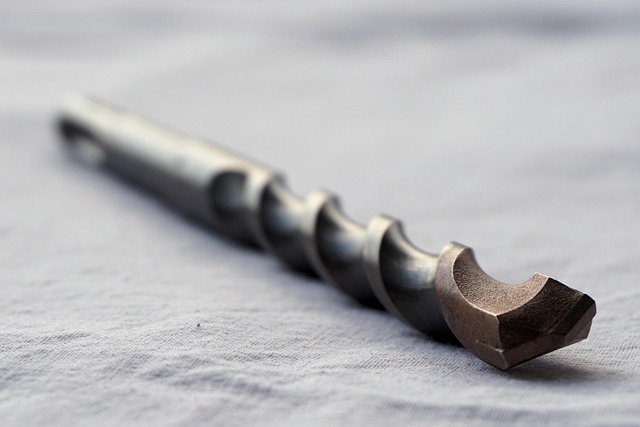
Composition and Metallurgical Properties of Cobalt Drill Bits
Cobalt drill bits are typically made from high-speed steel alloyed with 5–8% cobalt. This addition enhances both heat resistance and hardness retention at elevated temperatures. The cobalt atoms integrate into the steel matrix, improving red hardness—a property that allows the bit to stay sharp even when glowing hot during continuous drilling. These characteristics make them ideal for penetrating hard metals like stainless steel, titanium, and Inconel where ordinary HSS bits would dull quickly.
How Cobalt Affects Drilling Performance
Cobalt increases red hardness significantly, allowing the cutting edges to remain stable under high friction loads. This means fewer interruptions for sharpening and more consistent hole dimensions across multiple parts. The improved wear resistance also reduces micro-chipping along the edge. Furthermore, the refined grain structure of cobalt alloys promotes smoother chip evacuation through dense materials such as stainless steel or tool steel, which often produce long stringy chips that can clog conventional flutes.
Evaluating the Efficiency of Cobalt Drill Bits on Stainless Steel
The performance of cobalt drill bits for metal depends heavily on how they manage heat and maintain geometry during prolonged contact with stainless surfaces. Because stainless steel has poor thermal conductivity, controlling temperature rise becomes critical.
Heat Management During Drilling Operations
Stainless steel tends to trap heat at the cutting interface. Cobalt bits dissipate this heat more effectively due to their higher thermal stability, minimizing work-hardening effects that can make subsequent passes more difficult. When used with proper lubrication—such as sulfurized oil or synthetic coolant—the combination prevents surface glazing and preserves edge integrity over longer runs.
Cutting Speed, Feed Rate, and Tool Life Considerations
The correct balance between cutting speed and feed rate determines whether a cobalt bit performs efficiently or fails prematurely. Although cobalt resists heat well, excessive rotational speed can still cause dulling through abrasion rather than thermal softening. Lower speeds paired with steady feed pressure help maintain chip thickness uniformity and reduce vibration-induced wear on the tip corners. Experienced machinists often rely on feel rather than formula when adjusting these parameters for specific stainless grades.
Comparing Cobalt Drill Bits with Alternative Materials
Selecting between cobalt alloys, traditional HSS, or carbide-tipped tools depends on job type and machine setup. Each material offers distinct advantages but also trade-offs in brittleness, cost, and ease of regrinding.
High-Speed Steel (HSS) vs. Cobalt Alloys
Standard HSS bits offer flexibility and toughness but lose hardness quickly once temperatures exceed about 600°C. In contrast, cobalt variants maintain strength above 700°C and outperform HSS in longevity when drilling hardened metals like stainless or cast iron. However, they are slightly more brittle; dropping one onto a hard floor can chip its lip edges easily. This brittleness demands careful clamping during manual drilling operations.
Carbide-Tipped vs. Solid Cobalt Bits for Industrial Applications
Carbide-tipped drills exhibit extreme hardness suitable for automated production lines but are prone to fracture under impact loads or misalignment. Solid cobalt bits strike a middle ground—they’re tough enough for hand-held drills yet durable enough for semi-automatic setups found in maintenance workshops or small-batch manufacturing cells. The final choice should consider production volume, machine rigidity, coolant delivery system, and operator skill level.
Design Factors Influencing Drilling Efficiency in Stainless Steel
Beyond alloy composition, geometry plays a decisive role in how efficiently a bit cuts through stainless steel. The right point angle and flute design can drastically reduce frictional heating while improving hole accuracy.
Point Angle and Flute Geometry Optimization
A 135° split-point design is preferred because it minimizes walking on smooth stainless surfaces during startup drilling. Wider flutes assist chip evacuation by providing clearance space for curled metal fragments to exit without binding inside the hole path. Precision-ground tips improve centering accuracy while producing cleaner entry holes with minimal burr formation—a crucial factor in aerospace or medical component fabrication where tolerance control is strict.
Surface Coatings That Complement Cobalt Alloys
Coatings such as titanium nitride (TiN) or titanium aluminum nitride (TiAlN) further enhance surface hardness beyond what raw cobalt provides alone. These coatings act as thermal barriers that reduce friction between bit and workpiece while extending tool life under dry or semi-dry conditions. However, compatibility between base alloy composition and coating process must be considered carefully; an improper pairing may cause delamination under cyclic heating.
Practical Insights from Expert Machinists and Engineers
Field experience often reveals subtleties that laboratory testing cannot capture—particularly when dealing with stainless steels known for their toughness and tendency to work-harden rapidly.
Common Challenges When Drilling Stainless Steel with Cobalt Bits
One recurring issue is inconsistent pressure application leading to localized overheating. Once a zone hardens due to frictional heat buildup, even a sharp cobalt bit struggles to cut cleanly through it. Without adequate coolant flow or peck-drilling technique (periodic withdrawal to clear chips), overheating remains a risk that shortens tool life dramatically. Dull edges may also cause galling on surface finishes or slight dimensional drift from intended tolerances.
Maintenance Practices to Extend Tool Longevity
Routine inspection under magnification helps detect micro-chipping before catastrophic failure occurs mid-operation. Regrinding using proper clearance angles restores performance while preserving original flute geometry—a task best done using dedicated tool grinders rather than bench wheels. Storing bits in low-humidity environments prevents corrosion pitting along cutting lips that could later propagate into cracks during use.
Determining When Cobalt Drill Bits Are the Optimal Choice
Cobalt drill bits excel in specific contexts where temperature control and edge retention are more critical than raw penetration speed.
Application Scenarios Where Cobalt Excels
They are particularly effective when machining austenitic stainless steels such as 304 or 316 grades common in food processing equipment or marine fittings. Small-batch production lines benefit most since precision outweighs cycle time considerations here. Toolrooms handling diverse alloys—nickel-based superalloys one day and hardened carbon steels the next—also find solid cobalt drills invaluable due to their versatility across hardness ranges.
Situations Where Alternative Solutions May Be Preferable
For high-speed automated systems running continuous shifts, carbide drills may yield better throughput per cycle despite higher fragility costs because downtime reduction outweighs replacement expense. In contrast, when working softer metals like aluminum or brass—or plastics—cobalt’s premium price offers little advantage since these materials generate minimal heat load during drilling anyway. Hybrid tooling solutions combining cobalt cores with advanced coatings sometimes provide balanced results across mixed-material operations typical in repair facilities.
FAQ
Q1: Why do cobalt drill bits perform better on stainless steel?
A: Their alloy retains hardness at high temperatures generated by friction during drilling stainless steel surfaces.
Q2: Can cobalt drill bits be used on aluminum?
A: Yes, though they are overqualified; aluminum cuts easily with standard HSS tools at higher speeds without risk of dulling.
Q3: How should cobalt drill bits be cooled during operation?
A: Using cutting oil or synthetic coolant applied directly at contact points helps dissipate heat effectively while preventing work-hardening.
Q4: What’s the best sharpening angle for regrinding cobalt bits?
A: A typical point angle around 135° works well; maintaining correct lip clearance ensures consistent chip removal efficiency after sharpening.
Q5: Are coated cobalt drills worth the extra cost?
A: For frequent heavy-duty use yes—they last longer thanks to reduced friction—but occasional users may see marginal benefit relative to uncoated ones.


