
What Makes A Rivet Nut The Ideal Choice For High-Strength Assemblies
Understanding the Function and Design of Rivet Nuts
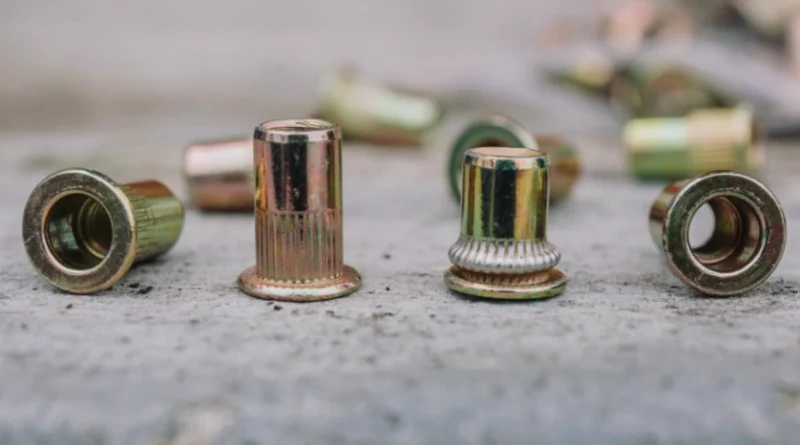
Rivet nuts, also known as threaded inserts, serve as handy fasteners. They help add sturdy threads to thin or soft materials. You see them a lot in fields like car panels or plane parts where you can only reach one side of the work. Their setup lets you make solid joints without welding or tricky cutting. Pick the right one, and it boosts how fast you assemble things plus how well they hold up. In my experience from shop work, they’ve saved hours on projects that would otherwise drag on.
Structural Composition and Material Options
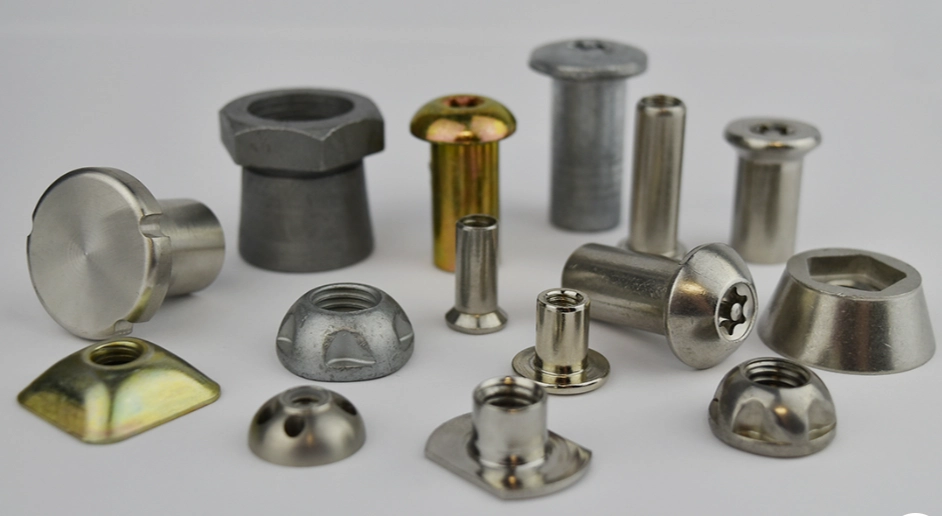
Rivet nuts act as fasteners with threads inside. They create strong threads in thin stuff. The main part is a tube-like body with threads on the inside. There’s also a plain section that bends during setup to grip the base material. Usual choices include steel, stainless steel, aluminum, and brass. Each type brings its own strengths. Steel ones give good pull strength. Stainless steel fights rust well. Aluminum keeps things light. Brass works easy for cutting and carries electricity better.
Which material you pick changes how well it handles twists, pulls out, and tough weather. Take stainless steel rivet nuts, for instance. Folks pick them for boat setups because they stand up to rust and bad reactions with other metals when matched right.
Mechanical Principles Behind Rivet Nut Installation
A rivet nut does its job by bending its plain part against the main material. This happens when you pull on a rod or screw. That bend makes a tight hold that keeps the nut in place. You don’t need to get to both sides of the piece. This helps a ton with empty spots like pipes or box shapes.
The way it spreads out gives steady squeeze force. It works even on stuff that might break from sharp pushes, like mixed materials or plastics. You end up with a solid threaded spot that keeps bolts tight during shakes or back-and-forth pulls. Think about a car door panel rattling on bumpy roads—that’s where this steady grip shines.
Advantages of Using Rivet Nuts in High-Strength Assemblies
Rivet nuts bring real benefits to builds that need both power and exact fit. They make lasting threads inside thin materials. This makes them key for setups that cut weight but keep things tough.
Enhanced Load-Bearing Capacity and Thread Integrity
These fasteners give tough threads inside that take big pulls and side pushes. When you set them right, they keep the threads straight even with shakes or ongoing stress. This steady hold matters a lot for car frame parts or plane connections. A bad joint there could mean big delays or risks to safety.
They also let you join different metals—like aluminum sheets to steel bases—without weakening the build. No heat means no bending or color changes from the process. I’ve seen this in garage repairs where mixing metals without worry is a game-changer.
Superior Performance in Thin-Wall Applications
For thin-sided builds like metal boxes or pipe frames, regular nuts don’t work well. There’s no way to tighten from the back. Rivet nuts fix that by grabbing from one side. They give full thread hold for bolts or screws.
They skip welding steps. That cuts time and stops heat from twisting or marking painted areas. Plus, you can take things apart and put them back many times without hurting the main material. This is huge for gear that needs fixes often, like factory machines running non-stop.
Types of Rivet Nuts Suited for Structural Applications
You run into different rivet nut styles made for certain build needs. Picking the best one depends on the weather around it, twist needs, and setup limits. Sometimes, trial and error in the workshop shows which fits best for odd jobs.
Open-End vs. Closed-End Rivet Nuts
Open-end rivet nuts have threads that go all the way through. This works great for long bolts or rods that need to pass fully. It’s handy for setups that stay open or need paths for water to drain. Closed-end kinds block the back of the insert. They keep out liquids and dirt in shut systems like gas tanks or boxy electronics.
Round Body vs. Hex Body Configurations
Round body rivet nuts go in easy but might need extra stops like rough edges or teeth for twist hold when it’s important. Hex body types slide into six-sided holes to stop all turning under big twists. They’re good for heavy machines where you torque bolts tight without slip.
Specialized Variants for Enhanced Performance
Knurled Rivet Nuts
Knurled surfaces boost the hold between the nut body and soft stuff like aluminum sheets or mixed materials. They dig in during the spread. This cuts the chance of spinning loose when you tighten.
Swage-Type Rivet Nuts
Swage-type setups push out into slots cut ahead in the main material. They don’t just count on surface rub. This way boosts pull-out power a lot. It gives better stay-power even with moving loads. In one project I recall, these held up under 500 pounds of side force without budging.
Installation Methods and Tooling Considerations
Getting the setup right decides if your rivet nut lasts and works well. Things like tool kind, hole fit, and push strength all shape the end result’s quality. Skip a step, and you might redo the whole thing later.
Manual, Pneumatic, and Hydraulic Setting Tools
Hand tools fit small jobs or fixes in the field where carrying easy beats speed. Air-powered ones give quicker rounds with even pull each time. They’re great for lines making hundreds of pieces a day. Liquid-pressure systems give exact push control for wide rivet nuts in big frames. Pneumatic ones, for example, can handle up to 200 installs per hour without tiring out.
Factors Affecting Installation Quality
The hole size has to match what the maker says. Too big, and the grip weakens. Too small, and it might crack the base when it spreads. You need steady push to bend it right without messing the inside threads or smashing weak stuff like fiber layers. Look at the height after to check if the bend area formed well around the hole. That’s a sign it’s anchored solid.
Engineering Criteria for Selecting the Appropriate Rivet Nut
Choosing a rivet nut goes beyond just thread size. You need to grasp the pull needs, weather hits, and fix-up plans over years. It’s not always straightforward—sometimes you learn from a failed test piece.
Evaluating Mechanical Requirements and Load Conditions
Check the pull strength against what your joint needs. Think about side pushes too, which act along the flat. Twist levels have to match the bolt’s starting tightness. This keeps links steady with shakes or wear-out pulls, like in trucks on rough paths.
Material Compatibility and Environmental Exposure
Matching materials stops bad rust from different metals mixing. This pops up a lot when putting aluminum sides with steel bits in damp spots. Things like hot-cold changes, wet amounts, and chem hits affect rust speed. They also play into loosening from heat grow differences as time goes on. In coastal builds, I’ve noted how a wrong pair can eat away in just months.
Application Scenarios Where Rivet Nuts Excel
Rivet nuts do great where light builds meet hard work rules in many fields. From moving stuff to making gadgets, they fit right in. They’re not perfect for every spot, but when they work, it’s smooth sailing.
Automotive and Aerospace Structures
Car builders use rivet nuts for frame parts, dash boards, seat setups, and control boxes. They trim vehicle heaviness while keeping it stiff. Plane makers put them in inside fittings a lot. Access blocks make welding hard, but exact holds stay a must. For instance, in a typical sedan assembly, they secure over 50 points without adding extra pounds.
Industrial Machinery and Equipment Fabrication
In factory spots, rivet nuts help build machines that come apart easy. Techs can pull panels off for checks without slicing welds or drilling new holes. This cuts lost time fast when machines break down. Downtime can cost thousands an hour, so quick fixes matter.
Electronics Enclosures and Lightweight Frames
Thin aluminum boxes for electronics gain big from rivet nuts. They make strong spots to mount without heat risks from solder or weld on touchy parts. In a server rack, say, they hold cables steady through daily vibrations without failing.
FAQ
Q1: What’s the main difference between a rivet nut and a standard nut?
A: A standard nut requires access from both sides of a joint for tightening; a rivet nut installs from one side only by expanding behind the panel to create permanent threads.
Q2: Can you install a rivet nut manually?
A: Yes, manual hand tools can set smaller sizes effectively for low-volume work though pneumatic systems are preferred for production consistency.
Q3: How do you prevent spin-out during installation?
A: Use hex-body designs or knurled surfaces that lock into pre-shaped holes providing better rotational resistance under torque load.
Q4: Are closed-end rivet nuts necessary for waterproof assemblies?
A: Closed-end types block fluid entry making them ideal wherever moisture protection is required such as marine equipment housings.
Q5: What’s a common mistake when installing rivet nuts?
A: Oversizing holes is frequent—it weakens grip strength leading to premature loosening especially under vibration conditions common in vehicles.


