
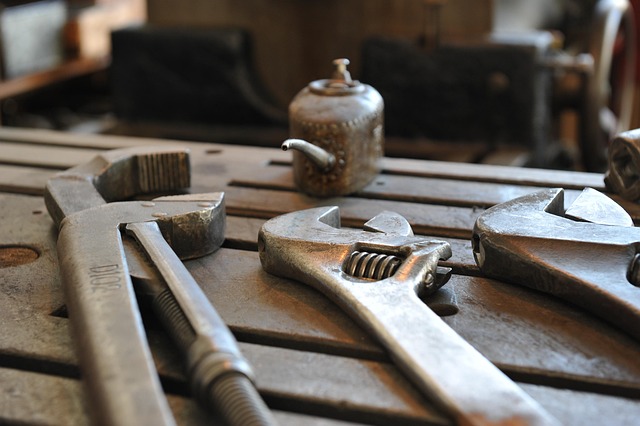
Is a Torque Wrench for Lug Nuts Still Essential When Using a Cheater Wrench
Cheater Wrench Makes Easy Work of Tightly Torqued Wheel Nuts
In professional automotive service, loosening and tightening wheel fasteners demands both muscle and precision. A cheater wrench simplifies the removal of tightly torqued nuts through mechanical advantage, while a torque wrench for lug nuts guarantees precise clamping during reinstallation. The most efficient workflow combines both tools—one for force, the other for accuracy. This balance not only prevents mechanical damage but also maintains compliance with industry torque standards and ensures safety on the road.
Understanding the Purpose of a Torque Wrench for Lug Nuts
Torque wrenches remain indispensable in wheel service because they manage the delicate balance between sufficient clamping force and component protection. Their role extends beyond simple tightening; they safeguard structural integrity across all wheel assemblies.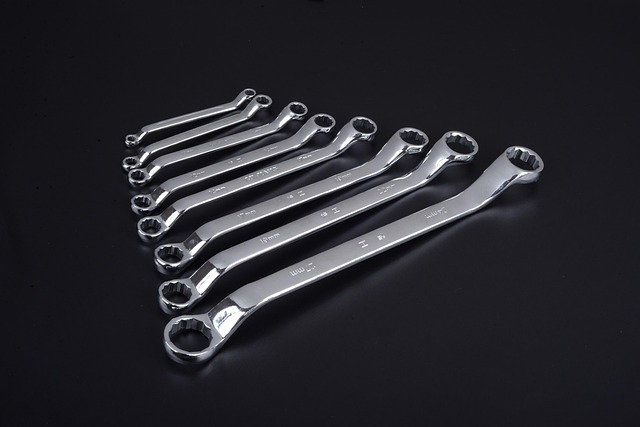
The Function of Torque Control in Wheel Fastening
A torque wrench for lug nuts applies controlled rotational force, ensuring each nut receives equal tension. Uniform clamping prevents rotor warping and stud fatigue that often result from uneven tightening. Over-torquing can stretch studs or crack alloy wheels, while under-torquing risks vibration or detachment during driving. In heavy vehicles, even minor deviations from specified torque can escalate into safety hazards, making consistent torque control a non-negotiable standard in professional practice.
Precision Requirements in Professional Applications
Automotive manufacturers define specific torque ranges based on wheel material, stud diameter, and thread pitch. Professionals rely on calibrated tools to meet these specifications precisely. Workshops typically include torque verification as part of their quality assurance process to maintain compliance with ISO 6789 calibration standards. Fleet maintenance operations also document torque values for traceability, reducing liability exposure in case of mechanical failure.
The Role and Mechanics of a Cheater Wrench
Where torque wrenches deliver precision, cheater wrenches supply raw mechanical advantage. They serve as practical aids when conventional hand tools cannot overcome seized or over-tightened fasteners.
How a Cheater Wrench Multiplies Torque Output
A cheater wrench uses internal gearing to multiply input torque by several factors. For instance, applying 100 N·m manually can yield over 400 N·m at the output shaft depending on gear ratio design. This amplification enables technicians to loosen rusted or factory-over-torqued lug nuts without resorting to pneumatic tools. The reduced effort minimizes operator fatigue and helps maintain control over tool alignment, decreasing the risk of socket slippage that could round off nut edges.
Limitations of Using a Cheater Wrench Alone
Despite its power, a cheater wrench lacks measurement feedback. It cannot indicate when optimal torque is reached during reinstallation, leading to inconsistent tightening if used alone. Extended reliance without calibration awareness may also develop poor habits where “tight enough” replaces measured accuracy. For high-performance or commercial vehicles, such inconsistency can quickly translate into uneven wheel seating or premature hardware wear.
Comparing Torque Wrenches and Cheater Wrenches in Professional Use
In workshop environments, both tools occupy distinct yet complementary roles within the same process chain. Their proper sequencing determines whether service outcomes meet professional standards or fall short.
Functional Differences Between the Two Tools
A torque wrench measures and limits applied force; a cheater wrench amplifies it mechanically. The former is designed for controlled tightening within tolerance bands; the latter excels at breaking static friction during loosening. Substituting one for the other compromises efficiency or accuracy depending on context—using a cheater wrench to tighten may lead to overtightening, while using a torque wrench to loosen may overload its internal mechanism.
Integration of Both Tools in Workshop Procedures
Experienced technicians often pair both tools sequentially: first employing a cheater wrench to break free stubborn nuts, then switching to a calibrated torque wrench for final tightening. This method balances ease with compliance and is common practice in fleet depots handling heavy-duty trucks where lug torques exceed 600 N·m. Combining both tools not only enhances workflow speed but also reduces physical strain during repetitive service cycles.
Risks Associated with Relying Solely on a Cheater Wrench for Lug Nut Installation
While convenient for removal tasks, using only a cheater wrench during installation introduces measurable risks that extend beyond mechanical wear into operational safety concerns.
Potential Damage from Excessive Torque Application
Applying amplified force without measurement easily overstresses studs and deforms seating surfaces on aluminum rims. Such damage may remain invisible until vibrations appear at highway speeds or brake rotors warp under uneven pressure distribution. Thread galling becomes more likely when lubricant presence alters friction coefficients unpredictably—something only controlled torque application can compensate for accurately.
Safety Implications in High-Stress Operating Conditions
In high-speed vehicles or heavy transport fleets, improper lug tension directly correlates with wheel loss incidents documented by transport authorities worldwide. Periodic retorque checks cannot compensate if initial installation lacked precision control from a calibrated tool. For this reason, professional standards such as those outlined by SAE J429 emphasize traceable torque verification as part of workshop liability management systems.
Best Practices for Combining Efficiency and Accuracy in Wheel Service Operations
Professional technicians adopt structured workflows that merge mechanical efficiency with precise verification steps to maintain consistent outcomes across varying vehicle types.
Recommended Workflow for Professional Technicians
Step 1: Loosening Phase Using a Cheater Wrench
Begin by applying steady pressure rather than sudden jerks when using a cheater wrench; abrupt motion risks shearing studs or damaging sockets under high load transfer conditions.
Step 2: Cleaning and Inspection Phase
Before reinstalling wheels, inspect threads for corrosion or debris buildup that could alter frictional characteristics during tightening. Clean seating surfaces ensure even load distribution once torqued down.
Step 3: Final Tightening with a Calibrated Torque Wrench
Follow manufacturer-recommended patterns—commonly star-shaped sequences—to distribute load evenly across all lugs. After initial driving intervals (typically 50–100 km), recheck torque values to confirm retention stability under dynamic conditions.
Tool Maintenance and Calibration Considerations
Calibration remains central to maintaining predictable performance from both wrenches. Most workshops recalibrate every six months per ISO/IEC 17025 guidelines or after any suspected overload event. Proper storage away from vibration sources preserves internal mechanisms against drift errors over time. Documenting calibration intervals supports audit readiness under quality management systems such as ISO 9001 certification frameworks.
Evolving Tool Technologies for Wheel Fastening Accuracy
Tool development continues advancing toward integrated solutions that combine data capture with mechanical strength—bridging traditional hand tools with digital oversight systems used in modern workshops.
Digital Torque Measurement Innovations
Electronic torque wrenches now feature LCD displays showing live readings along with memory functions storing hundreds of records per session. These digital models interface directly with workshop management software via Bluetooth or USB connection, providing traceable audit trails essential in regulated fleet maintenance operations where documentation is mandatory.
Advanced Gear Multipliers with Built-In Torque Limiting Features
Recent generations of gear-driven multipliers—essentially modernized cheater wrenches—include adjustable limiters preventing excessive output beyond preset thresholds. These hybrid designs merge manual leverage convenience with precision control typical of electronic instruments, effectively closing the gap between brute-force removal tools and sensitive measurement devices used during final assembly tasks.
Key Insight: While a cheater wrench offers mechanical advantage for loosening stubborn lug nuts, the torque wrench remains essential for controlled tightening, compliance verification, and long-term safety assurance in professional automotive operations.
FAQ
Q1: What is the main difference between a cheater wrench and a torque wrench?
A: A cheater wrench multiplies manual input force mechanically but does not measure it; a torque wrench measures applied force precisely to meet manufacturer specifications.
Q2: Can I use only a cheater wrench to install wheels?
A: No, because it lacks measurement capability; relying solely on it risks overtightening which can damage studs or distort wheel hubs.
Q3: How often should torque wrenches be calibrated?
A: Industry best practice recommends calibration every six months or after any overload event following ISO/IEC 17025 guidelines.
Q4: Why do professionals recheck lug nut torque after driving?
A: Heat cycles and vibration can cause minor settling; rechecking ensures consistent clamp load retention across all fasteners.
Q5: Are digital torque wrenches more accurate than mechanical ones?
A: Digital models offer comparable accuracy but provide additional benefits like real-time feedback and data logging useful for quality audits and fleet documentation systems.


