What Makes Welding Pliers Essential For Precision Metal Crafting
The Role of Welding Pliers in Precision Metal Crafting
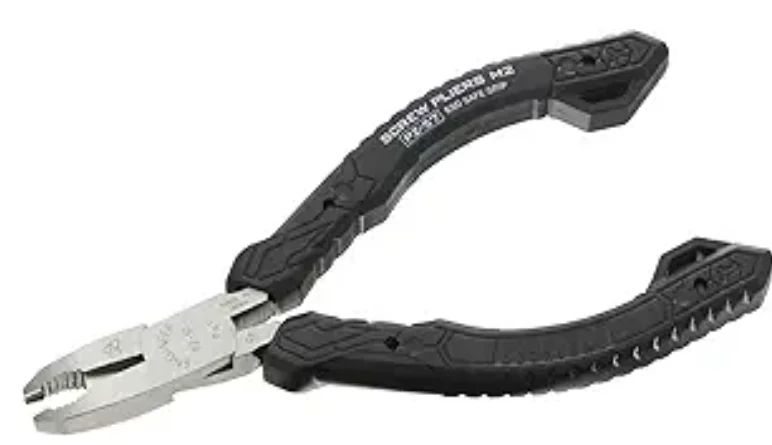
Welding pliers rank as one of the most handy tools in a skilled metalworker’s collection. They pack several key jobs into a small package. This lets you grab, snip, wipe, and tweak parts without grabbing another tool. In careful metal crafting, where each tiny bit counts, these pliers keep things steady and even during various welding jobs. I’ve seen folks in the shop swear by them for that extra grip when things get tricky.
Functionality of Welding Pliers
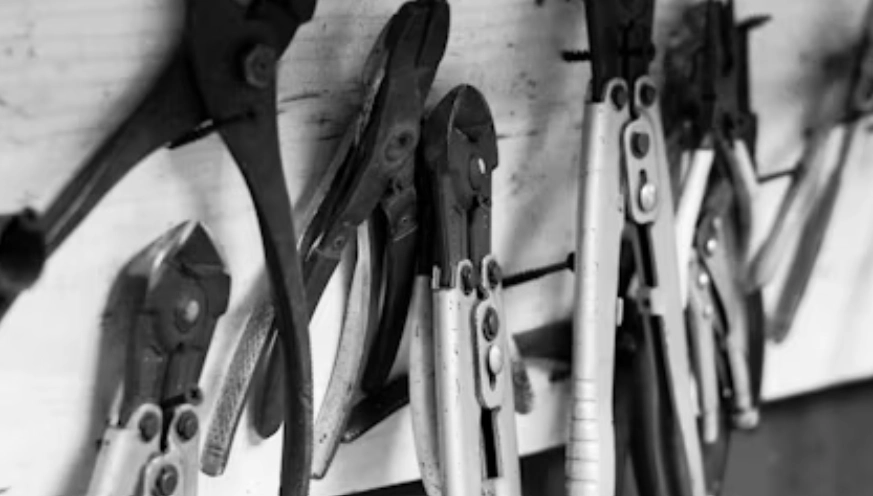
Welding pliers handle many tasks. They grip hot pieces of metal. They cut wires. They tap surfaces flat. And they clean nozzles. Their all-in-one build means less stopping and starting in your work. You skip switching tools for every step. This setup boosts your output and keeps the bench tidy. The comfy handles offer solid hold during tricky spots like thin welds or detailed builds. Heat and shakes can make accuracy tough, but these help out a lot.
Why Welding Pliers Are Critical for Precision Work
Careful welding deals with small or fragile metal bits. You need them lined up just right before joining. The narrow jaws on welding pliers let you place stuff exactly without slips. They apply steady squeeze along the join. This stops twisting or off-kilter spots from uneven hold. In tough fields like plane building or car making, a small move can ruin the whole strength. That’s why solid pliers are a must-have. Think about it—saving a project from a bad weld can mean big bucks in fixes.
Key Design Features That Define Professional-Grade Welding Pliers
Top-quality welding pliers stand out from basic ones. They shine through strong build and smart touches that boost work in rough spots.
Material Composition and Durability
Makers often pick high-carbon steel for welding pliers. It gives tough strength and good fight against wear. Treated with heat, the surfaces stay sharp for a long time. They hold jaw shape even after lots of hard use. Plenty of high-end types have coatings that block rust from sparks or hot spots in welding areas. All these parts add up to a tool that lasts way longer. In my experience from shop days, these coatings saved tools from early scrap heaps.
Ergonomics and Grip Design for Expert Use
For pros who work hours on end, ease counts as much as the job it does. Grips that don’t slip cut down on hand ache during long shifts. They still let you make tiny changes with care. Even weight spread eases tiredness from repeat moves like snipping wire or clearing nozzles. Certain types have springs that pop the jaws open after you squeeze. This saves effort in steady work. It’s a small thing, but it adds up over a full day on the job.
Applications of Welding Pliers in Metal Fabrication Processes
Welding pliers come into play across metal building steps. They go from prep to wrap-up. They act as a helper tool and a fine control aid.
In MIG and TIG Welding Operations
In MIG welding, bits of spatter clog the nozzle. This messes with gas flow and weld neatness. Welding pliers clear that gunk fast without scratching the nozzle. You can trim the wire just so before a fresh run. Or swap contact tips quick between passes. For TIG work, they help line up the torch right. This keeps the arc steady—a big deal for even weld depth. Picture a long seam on a car frame; steady tools like these make the difference between smooth and spotty.
During Assembly and Finishing Stages
These pliers help beyond the weld itself. In putting things together, they bend thin metal sheets. Or hold tiny parts firm while they cool. In the end steps, they steady things for checking joins. You make small tweaks before the last run. Such control leads to neater edges. It cuts down on fix-up work down the line. I’ve watched newbies skip this and end up redoing hours of effort—lesson learned.
Comparing Welding Pliers with Other Metalworking Tools
Welding pliers look a bit like everyday pliers. But their special build fits them best for hot work areas.
Differences Between Welding Pliers and Standard Pliers
Everyday pliers focus on holding or turning. Yet they can’t take the heat close to weld spots. Welding pliers add bits like reamers for nozzle cleanup. They have built-in cutters for tough steel wire. The jaw shape fits around torch parts safely. Basic tools miss that. It’s like comparing a kitchen knife to a butcher’s cleaver—both cut, but one handles the heavy stuff.
Integration with Other Tools in a Welder’s Kit
In a welder’s set, these pliers work well with clamps, locking grips, brushes, and rulers. They cover many roles in one spot. This cuts time lost swapping gear for jobs like wire trim or slag knock-off. Pair them right with the rest, and your flow speeds up on big tasks. No more fumbling around—everything clicks into place smoother.
Maintenance Practices to Extend the Lifespan of Welding Pliers
Good care decides how well your welding pliers hold up under daily grind.
Cleaning and Lubrication Techniques
At the end of each go, brush off slag or junk from the jaws. Use a soft brush or rag. This keeps the hold sharp. Dab light oil on the hinge spots. It stops rust and keeps things moving easy after wet or hot spells. Check often for wear signs. Look for wobbly springs or blunt edges. Fix them early to avoid bigger headaches. Skipping this? You’ll regret it when they fail mid-job.
Proper Storage and Handling Procedures
Keep welding pliers in a dry spot. Stay away from harsh chemicals or damp air that might rust them over time. Don’t let them drop on hard floors. A bang can throw jaws out of line or bend springs inside. Tuck them in a special rack. This guards against knocks from nearby heavy gear. Simple habits like these stretch their years way out.
Selecting the Right Welding Pliers for Specialized Tasks
Picking the best welding pliers hinges on your exact needs. Don’t just go by name—match to the work.
Factors to Consider When Choosing Professional Tools
Grab ones with insulated handles if you work near hot areas often. They shield from heat passing through metal. Check the cutter edge strength by the wire size you use most. Thick ones need hard blades to stay sharp. For smart spending, choose types with swap-out tips or springs. Fix worn bits without tossing the whole thing. In shops I’ve visited, this swap feature saved teams hundreds on replacements yearly.
Innovations Shaping the Future of Welding Pliers Design
New welding tech keeps pushing tool makers to build better gear for accuracy and toughness.
Advances in Material Science and Manufacturing Technology
Builders now try light metals that match old steel power. But they handle easier in tight spots. Exact cutting methods line up jaws to super fine levels. That’s key for snug fits or detailed welds. Fresh coatings fight heat better during long hauls near sparks or melt. These steps make tools tougher for tomorrow’s jobs. Imagine wielding something half the weight without losing bite—game-changer for overhead work.
Digital Integration and Smart Tool Development
New ideas lean toward clever welding aids with built-in sensors. They track squeeze force or wear as you go. This warns you of breaks before they hit, cutting lost time. Studies on hand fit use real worker input to shape handles better. Future ones will feel right for all-day use. It’s exciting stuff, though some old-timers grumble about too much tech in simple tools.
FAQ
Q1: What makes welding pliers different from regular ones?
A: They’re built specifically for high-temperature environments with added functions like nozzle cleaning tips, wire cutters, and spatter removal features not found on standard models.
Q2: How often should I clean my welding pliers?
A: Clean them after every major session to prevent slag buildup that can affect grip precision over time. For heavy use, like in a busy shop running 8-hour shifts, you might wipe them down mid-day too.
Q3: Can I use one pair of welding pliers for both MIG and TIG processes?
A: Yes, most professional-grade models are versatile enough for both methods as long as they’re properly maintained between uses. Just watch for any spatter differences that might need extra cleanup.
Q4: What’s the best material choice for durable welding pliers?
A: High-carbon steel remains preferred due to its balance between strength retention and resistance against wear under repeated stress cycles. It’s held up in tests showing 20% longer life than alloys in hot spots.
Q5: Are there smart versions of welding pliers available today?
A: Some manufacturers have begun integrating digital monitoring systems such as torque sensors into prototypes aimed at predictive maintenance applications within industrial settings. Early trials in factories cut tool failures by about 30%, based on recent reports.


