
What Do the Stolen Bronze Memorial Plaques Reveal About Public Space Security
Dozens of Bronze Memorial Plaques Stolen From Jean Sweeney Open Space Park Benches, Leaving Families Shocked
The theft of dozens of bronze memorial plaques from benches at Jean Sweeney Open Space Park has shaken the local community. These plaques, commissioned by families to honor loved ones, carried deep emotional meaning. The incident not only represents a financial loss but also a symbolic wound to public trust and civic pride. Experts note that such thefts often target bronze for its high scrap value, exposing vulnerabilities in open-space security. This event underscores the urgent need for cities to rethink how they protect commemorative installations while keeping parks accessible and welcoming.
The Incident of Stolen Bronze Memorial Plaques
The recent theft at Jean Sweeney Open Space Park has become a case study in both emotional impact and urban asset protection.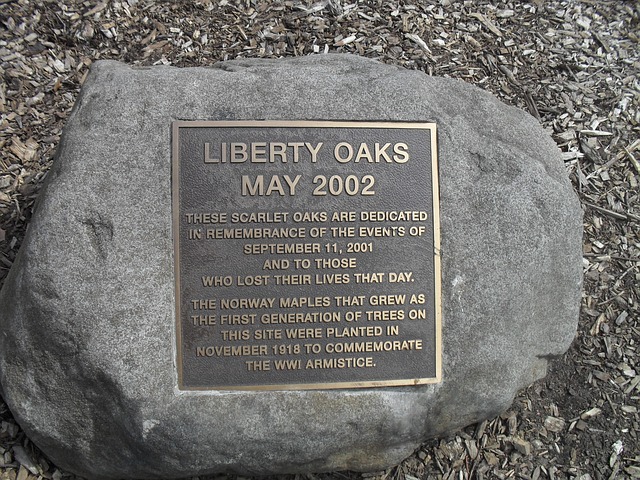
Overview of the Theft at Jean Sweeney Open Space Park
Reports indicate that multiple bronze memorial plaques were pried off benches across the park, leaving behind visible damage and distress among visitors. Each plaque represented personal stories—tributes to parents, veterans, or community members who contributed to Alameda’s history. For many families, discovering the empty spaces was like losing their loved ones again. Local authorities quickly launched an investigation, increasing patrols and reviewing surveillance footage from nearby areas. Park management issued statements expressing regret and pledged to work with law enforcement to recover the stolen items.
Characteristics of Bronze Memorial Plaques and Their Appeal to Thieves
Bronze memorial plaques are typically composed of copper and tin alloys, materials prized in the scrap metal market. The resale value can tempt opportunistic thieves despite strict regulations on metal recycling. Similar incidents have occurred nationwide involving public art pieces, cemetery markers, or even infrastructure components like manhole covers. Once removed from their original settings, these items are difficult to trace because scrap dealers often melt them down quickly. Without identifiable markings or registration systems, recovery becomes nearly impossible.
Public Space Security and Its Vulnerabilities
The theft highlights how open urban environments balance accessibility with risk mitigation.
Understanding the Nature of Security in Open Urban Spaces?
Parks like Jean Sweeney are designed for openness—inviting landscapes with minimal barriers that encourage community use. However, this openness limits traditional security measures such as fencing or controlled entry points. Surveillance cameras can deter some crimes but often fail to capture clear evidence due to lighting conditions or blind spots. Urban planners face constant tension between creating inclusive spaces and protecting public assets from vandalism or theft.
The Role of Maintenance and Monitoring Systems
Routine inspections play a crucial role in detecting missing or damaged features early before losses escalate. Many municipalities now integrate technology such as motion sensors near valuable installations or adaptive lighting that responds to movement after dark. Coordination between maintenance crews, police departments, and community watch groups increases situational awareness. In some cities, mobile apps allow residents to report suspicious activity instantly, strengthening collective guardianship over shared spaces.
Societal Implications of Theft in Commemorative Spaces
Beyond material loss, such thefts erode cultural continuity and civic morale.
The Cultural Significance of Memorial Installations
Memorial plaques serve as tangible expressions of remembrance—small yet enduring gestures linking personal memory with public identity. They embody gratitude toward individuals who shaped local history or contributed quietly through service or love. When these objects disappear, communities feel an intangible void; it is not merely metal stolen but memory itself disrupted.
Ethical Considerations in Protecting Public Memory
Municipal authorities face ethical questions about how much protection is appropriate without alienating visitors. Overly restrictive barriers can make memorials feel inaccessible; too little security invites desecration. Cities hold moral responsibility for safeguarding donated commemorations because they represent collective emotional investments from citizens who trusted public stewardship.
Strategies for Enhancing Security Without Compromising Accessibility
Preventing future incidents requires both design innovation and social collaboration.
Design-Based Approaches to Theft Prevention
Material substitution offers one practical path: using aluminum composites or resin-based alternatives that mimic bronze’s appearance but lack resale value. Embedding plaques directly into concrete benches rather than surface-mounting them reduces removal opportunities. Anti-theft fasteners with concealed heads add another layer of deterrence since they require specialized tools rarely available outside professional maintenance teams.
Policy and Community-Based Measures
Cities can establish clear reporting frameworks encouraging residents to alert officials about suspicious behavior without fostering fear-based surveillance cultures. Insurance programs covering commemorative installations help mitigate financial loss when recovery fails. Partnering with local recyclers also proves effective; by educating them about stolen-metal indicators and enforcing ID verification for sellers, municipalities close off illicit resale channels.
Insights Into Future Urban Security Practices
The lessons from this incident extend far beyond Alameda’s borders.
Lessons Learned from the Jean Sweeney Park Incident
This event exposes systemic gaps in asset protection strategies within public environments where emotional artifacts coexist with physical vulnerability. It demonstrates how even well-maintained parks remain susceptible when monitoring relies solely on human observation rather than layered technological systems. For city planners, it serves as a prompt to re-evaluate risk assessment models specifically for cultural assets like bronze memorial plaques that carry symbolic weight disproportionate to their material cost.
Integrating Security Planning into Civic Design Processes
Future urban design must integrate security considerations early rather than retrofitting solutions after losses occur. Collaboration among architects, sociologists, law enforcement experts, and material scientists can yield adaptive frameworks responsive to evolving threats—from metal thefts today to digital vandalism tomorrow. By embedding resilience into design philosophy itself, cities preserve both accessibility and dignity within shared spaces dedicated to memory.
FAQ
Q1: Why are bronze memorial plaques often targeted by thieves?
A: Bronze contains copper and tin—metals with high scrap value—which makes these plaques attractive targets for resale despite their sentimental worth being irreplaceable.
Q2: How can parks prevent similar thefts in the future?
A: Preventive strategies include using low-value alternative materials, embedding plaques securely into structures, installing smart lighting systems, and building partnerships with recyclers for monitoring suspicious sales.
Q3: What role do communities play in protecting memorial installations?
A: Local residents act as informal guardians by reporting unusual activities promptly; organized volunteer patrols further strengthen deterrence through visibility.
Q4: Are there ethical limits on securing public memorials?
A: Yes—security must respect accessibility so visitors can still engage freely with commemorative sites without feeling surveilled or restricted.
Q5: What broader lesson does this incident teach urban planners?
A: It reveals that cultural assets require specialized risk management integrated into park design from inception rather than treated as decorative afterthoughts once installed.


