How Are Needle Nose Pliers Applied in Precision Engineering Tasks
The Role of Needle Nose Pliers in Precision Engineering
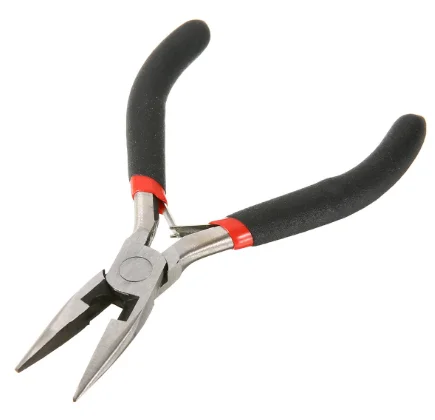
Needle nose pliers help a lot in precision engineering. Accuracy and steady control matter most here. Their slim jaws and sharp tips let pros work on small parts or make tiny changes. You can put together little machines or fix delicate gear with them. They reach spots other tools miss. The shape has changed over the years to fit needs in electronics shops, plane factories, and instrument labs. Many workers say these pliers feel like an extra set of fingers on a busy day.
Understanding the Design and Structure of Needle Nose Pliers
It helps to study how these pliers are made before you use them on fine jobs. Shape and the steel they use decide how well they work.
Long, Tapered Jaws Allow Access to Confined or Intricate Spaces
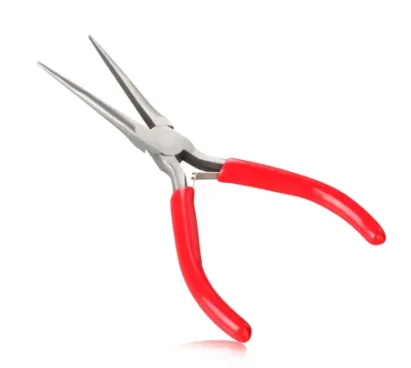
The long jaws stand out right away. They get narrow at the end. That shape lets you get into tight spots where big pliers just will not fit. Say you need to join wires inside a small box or pull a tiny spring out of a narrow hole. The jaws give you room to see and move at the same time. One tech in a small Ohio shop told me he reaches places no other hand tool can touch with these.
Fine Tips Enable Manipulation of Small Components with High Accuracy
The tips stay thin and sharp. They grab little pieces without crushing them or letting them slip. That matters when you line up pins on a circuit board or set micro connectors in place. Shops that build electronics count on this steady tip feel every shift. It keeps parts safe during the whole job.
Material Composition, Such as High-Carbon Steel, Ensures Durability and Precision
High-carbon steel gives the pliers strength. They stay straight even after lots of use. Some versions add nickel or chrome on top so they fight rust better. Labs and clean rooms like that because dirt can ruin a whole batch of parts. The steel holds its edge for months of daily work.
The Mechanical Advantage in Precision Applications
These pliers do more than grip. They turn small hand moves into useful force. The way the handles and pivot work together makes that possible. Workers notice the difference after a full day on the bench.
Leverage Mechanics Provide Controlled Gripping Force
The pivot point multiplies the push from your hand. You get a firm hold on thin wires or tiny screws without pressing too hard. That stops bent parts. In one aerospace line they bend 30-gauge wire all shift long and never mark the metal.
Jaw Alignment and Surface Texture Influence Handling Stability
Jaws line up straight so pressure stays even. Rough teeth inside help grab rough metal. Smooth jaws keep nice finishes from getting scratched on shiny connectors or lens mounts. Shops pick the right face for each job.
Spring-Loaded Designs Improve Ergonomic Efficiency During Repetitive Tasks
Some models have a spring that pops the handles open again. Your fingers rest between each squeeze. On long runs this cuts down on tired hands. Calibration teams that repeat the same motion two hundred times a day like the spring a lot.
Applications in Electronic and Micro-Mechanical Assembly
In electronics and small machine work these pliers act like careful hands. They give exact control over soft materials. Accuracy stays high the whole time.
Handling Delicate Components in Electronic Systems
Circuit boards and wire bundles need gentle bends. Needle nose pliers let you shape fine wire without kinks. They also set pins in crowded layouts. Insulated handles stop static from hurting chips. One plant in California uses them on every board that leaves the line.
Integration in Micro-Mechanical Fabrication Processes
Tiny springs and screws need lining up to the width of a hair. These pliers give the feel needed for that. During repair they pull parts out without touching neighbors. Gyroscope and micrometer work depends on this reach and care.
Use in Calibration, Adjustment, and Fine-Tuning Operations
Calibration needs both steady hands and light touch. Needle nose pliers let you shift linkages or dials by tiny amounts. The long reach gets inside housings without taking everything apart.
Adjusting Sensitive Mechanical Linkages
Optical gear and air valves lose accuracy from small shifts. These pliers move rods and springs back into line. Workers reach deep inside without breaking the whole unit down. A shop in Germany keeps their test rigs running with daily tweaks like this.
Contribution to Measurement Equipment Maintenance
Dial gauges and pressure meters have screws set far inside. Needle nose pliers turn those screws without slipping. That keeps readings true. Generic tools often slide and throw the numbers off.
Material Considerations and Tool Selection Criteria
Picking the right pair depends on the room you work in and the parts you touch.
Selecting the Appropriate Needle Nose Pliers for Precision Work
Straight jaws handle most grabs. Bent jaws help you see around corners in crowded boxes. Rough jaws hold firm on metal. Smooth jaws protect plated surfaces. Clean rooms want anti-magnetic steel so sensors stay quiet. Insulated grips matter near power. Shops keep two or three styles on the bench for different jobs.
Maintenance Practices to Preserve Tool Accuracy
Check the jaws and pivot every week. Wipe them clean after each use so grit does not build up. A drop of oil at the joint keeps them moving free. Medical device lines clean them twice a shift because even small dirt can spoil a part. Good care makes a pair last years.
Ergonomics and Safety Aspects in Professional Environments
People on the line move their hands thousands of times each day. Good shape in the tool cuts fatigue and keeps work safe.
Ergonomic Design for Repetitive Precision Tasks
Handles curve to fit your palm. Weight sits balanced so wrists do not ache after hours. Grip covers stop sliding even when hands get warm. Teams that build medical pumps notice less soreness at the end of the week with these features.
Safety Protocols When Using Needle Nose Pliers in Engineering Settings
Too much force bends the tips or the part you hold. Light, steady pulls work better. Touch ground before you start on boards so static does not zap chips. Keep the pliers in a foam drawer when not in use. That keeps them straight and meets plant rules. Shops that follow these steps see fewer mistakes and safer days.
FAQ
Q1: What makes needle nose pliers different from regular pliers?
A: Their long jaws come to fine points. That shape reaches tight spots standard pliers cannot enter.
Q2: Can needle nose pliers be used for electrical work?
A: Yes. Just make sure the handles carry a proper insulation rating so shocks stay away.
Q3: How should you maintain needle nose pliers for longevity?
A: Wipe them after every job. Look at the jaws now and then. Put a little oil on the pivot to keep action smooth.
Q4: Are bent-tip needle nose pliers better than straight ones?
A: Bent tips show you more in cramped spots. Straight jaws give a stronger straight pull. Pick the shape that fits the space you face.
Q5: Why are anti-magnetic materials important in precision environments?
A: They stop the tool from pulling on sensors or tiny circuits that read magnetic fields. Readings stay true.


