
What Makes A Rubber Mallet The Smarter Choice For Precision Work
The Role of a Rubber Mallet in Precision Work
A rubber mallet may seem basic at first glance. Yet, in careful tasks, it often makes the difference between a smooth fit and a ruined surface. You might use it for joining wood pieces, bending metal sheets, or placing tiles. This tool with its soft head offers good control. It avoids marks on the material. Experts in wood shops, metal shops, and stone work count on it for small changes. Here, getting things exact counts more than using lots of power. I’ve seen carpenters swear by it during tight deadlines, where one wrong hit could spoil the whole job.
Defining the Rubber Mallet and Its Core Characteristics
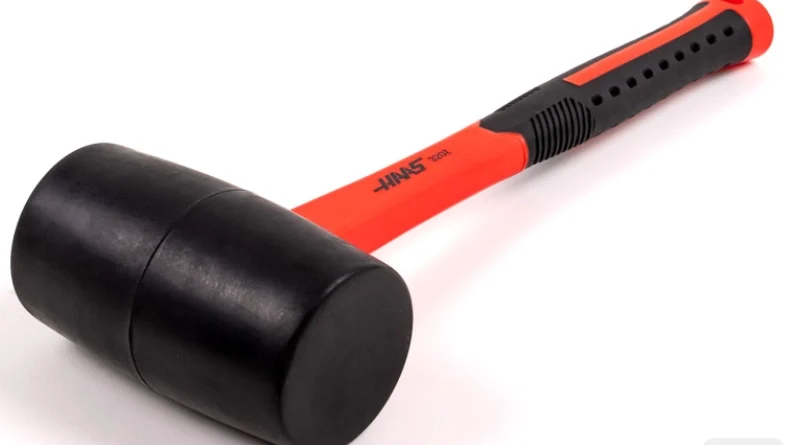
A rubber mallet is a hammer with a soft head. It is made to give steady hits without harming surfaces. Usually, it has a rubber head fixed to a handle. The handle could be wood, fiberglass, or steel. The rubber’s thickness and bounce decide how much push goes into each hit. A thicker head gives stronger taps. Softer ones soak up more jolt for lighter touches. In real use, this lets you nudge parts into line. Or you can fix fittings without cutting into stuff like wood or shiny metal. Think about tapping a shelf together in your garage—it’s that kind of everyday help.
How a Rubber Mallet Differs from Traditional Hammers
Steel hammers focus force on a tiny spot. Rubber mallets do not. They spread the push over a bigger space. This stops dents and scrapes. It also gives you better grip on each tap. The rubber takes in some of the jolt. So, there is less bounce back. That matters a lot in repeated or tiny fix-up jobs. Old-school hammers work well for pounding nails or smashing things. Rubber mallets focus on exact lining up. They also keep finishes safe. In my experience from watching shop workers, the bounce issue alone saves wrists during long days.
Key Advantages of Using a Rubber Mallet for Precision Applications
When you need exact work, the perks of a rubber mallet beat just saving the surface. It helps keep every part strong. Plus, it keeps your work flow smooth and easy on the body for hours on end. Sometimes, folks overlook how it fits into daily routines, but it really does.
Surface Protection and Material Integrity
Rubber mallets suit soft stuff well. Think wood joins, slim metal layers, clay pots, and plastic bits. They let you push hard enough to shift or slot pieces. But they avoid clear harm. Take building a table’s corners or sliding pegs into holes. The soft head stops bruising the outer layer. In metal jobs or tile work, it makes sure no breaks or bends happen while lining up. I recall a tile job where using one saved a whole batch of fancy floor pieces from cracks—costly mistake avoided.
Controlled Impact and Reduced Rebound
The soft side of the rubber mallet lets energy flow slowly. Not like a sudden smack. So, you can do tiny shifts. Tap rather than whack. This leads to better exactness in putting things together or tuning them. Less bounce back cuts tiredness too. Your wrist and arm feel less kick after each hit. In the long run, this boosts steady hold and even results in jobs you repeat often. It’s like having a tool that thinks ahead for your comfort.
Noise Reduction and Ergonomic Comfort
People often miss the quiet side of it. Rubber cuts down sound on hit. This fits shops where noise must stay low. Like inside wood rooms or fix-up spots in homes. The padded hit also lessens shake that goes from handle to hand and wrist. That keeps things comfy in long stretches of close work. On a side note, quieter tools mean fewer headaches in shared spaces—practical for teams.
Common Applications Where a Rubber Mallet Excels
Rubber mallets show up in almost every job where careful putting together meets hands-on building. Their all-around use makes them a must-have in wood areas, car fix shops, and tile projects. From small home setups to big factory lines, they pop up everywhere.
Woodworking and Joinery Tasks
In wood work, you grab a rubber mallet for putting together furniture links. Like notch-and-slot ties or sliding boards in place. It avoids scratching done surfaces. It’s handy too for tweaking snug spots like side joints. Here, even a small over-hit could wreck days of careful making. Picture knocking in a drawer front without a single mark—smooth sailing.
Metalworking and Sheet Fabrication
Metal shops, mainly car repairs, use rubber mallets to form thin sheets. They do this without making dents or pulling the stuff out of shape. When lining up car body parts before joining or screwing, the steady hit gets spot-on spots. It keeps the outer layer whole. In auto shops I’ve visited, it’s the go-to for panel tweaks, saving hours of sanding later.
Tile Setting and Masonry Adjustments
Tile workers lean on rubber mallets to even out tiles over wide floors. They do so without breaking the shiny coat. Stone workers use them much the same for placing pretty rocks or blocks. Uniform push is key. But straight hammer hits would chip edges. One pro tip from masons: tap gently in rows to avoid uneven spots, which happens if you’re rushing.
Selecting the Right Rubber Mallet for Specific Tasks
Picking the best rubber mallet hinges on the stuff you’re handling. It also depends on the push your job needs. Head toughness and handle build both matter a lot in how it works.
Variations in Head Hardness and Material Composition
Soft Rubber Heads
Soft heads cause the least harm to surfaces. They fit wood jobs or plastic builds best. There, the outer look counts big time. Use them when you want no marks at all.
Medium Rubber Heads
Heads with middle thickness give a mix of padding and solid push. They work for everyday fix-ups. Moderate strength is needed. But safety stays key. These are great for mixed tasks around the house or shop.
Hard Rubber or Dual-Face Heads
Tougher heads hit harder yet keep some soft feel. Two-sided kinds have one mild side and one strong one. Switch as needed for light taps or bigger pushes. They suit easy metal jobs well. In practice, flipping sides mid-task feels natural, like having two tools in one.
Handle Materials and Design Considerations
Wooden Handles
Wood handles feel old-style and classic. They soak up jolts in a natural way. But watch for water harm. It can weaken the wood strands over time. Dry storage helps a ton here.
Fiberglass Handles
Fiberglass handles last long. They cut down shake more than steel ones. Shops pick them for tough spots. They mix power with ease well. If you’re swinging often, this type shines.
Steel Handles with Cushioned Grips
Steel handles give top strength. But without good padding at the hold, shake builds up. Folks choose these when lasting beats comfort. In heavy use, add grip tape for better feel—simple fix.
Integrating a Rubber Mallet into Professional Toolkits
For workers who care about careful making, a rubber mallet adds to other special tools. It does not take their place. Instead, it fills gaps nicely.
Complementing Other Precision Tools
A rubber mallet goes well with carving tools for fine joint tweaks or edge shapes. It gives just enough hit without dulling sharp parts. It teams up with holders too. Use it in build steps to line parts before locking them down for good. It sits between soft measurers and big hitters like filled hammers. In a full kit, it’s like the reliable sidekick that handles the nudges.
Maintenance Practices to Preserve Performance Longevity
To keep it working steady over years, check it often. Look for splits or stiff spots in the head. These cut bounce and steady hits. Wipe off dirt after jobs. Bits can stick in the rubber and scratch later. Keep it out of sun rays. Long light hits make it brittle fast. A quick once-over weekly, say after five uses, keeps it like new. Pros do this without fail, extending tool life by months.
FAQ
Q1: What makes a rubber mallet different from other hammers?
A: A rubber mallet has a soft face that spreads impact energy evenly across surfaces instead of concentrating it like steel hammers do, preventing dents or scratches during precise work. This setup really helps in tight spots where marks would show.
Q2: Can I use a rubber mallet on metal surfaces?
A: Yes, especially thin sheet metals where controlled shaping is needed without distortion; however, choose harder-head variants for better energy transfer. It’s a staple in garages for fender fixes.
Q3: How do I choose between soft and hard heads?
A: Use soft heads for delicate materials like wood or plastic; medium ones suit general maintenance; hard heads are best for light metalwork requiring firmer strikes. Match it to your main stuff for best results.
Q4: What’s the best handle type for frequent use?
A: Fiberglass handles offer excellent balance between strength and vibration reduction—ideal if you’re using the tool daily in professional settings. They hold up well, even after hundreds of taps.
Q5: How should I store my rubber mallet?
A: Keep it clean after each session and store it away from heat sources or direct sunlight to prevent premature aging of the rubber head material. A simple hook in a cool corner does the trick.
可能是 AI 生成


