
How Are Museums Reassessing Provenance to Protect Antique Bronze Integrity
Museums Reassess Provenance Records for Antique Bronze Collections
Museums worldwide are reevaluating provenance records of antique bronze collections to align with modern ethical, legal, and technological standards. This reassessment reflects a shift from mere documentation to active accountability, combining historical research with advanced scientific analysis. Institutions now face growing expectations to disclose ownership histories and address contested artifacts transparently. As international frameworks evolve and digital tools expand access to provenance data, museums are redefining stewardship practices to balance preservation, legality, and moral responsibility.
The Evolving Role of Provenance Research in Museum Collections
Provenance research has become central to museum governance, particularly concerning antique bronze artifacts whose histories often span centuries of trade, conflict, and restoration.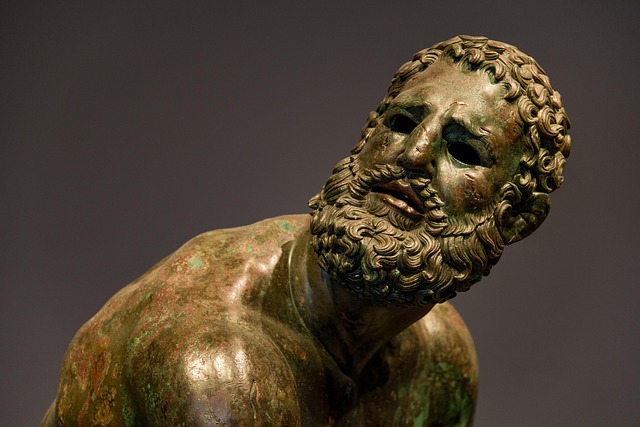
Defining Provenance in the Context of Antique Bronze
Provenance refers to the documented sequence of ownership and transfer that establishes an artifact’s authenticity. For antique bronze pieces—ranging from ritual vessels to Renaissance sculptures—this record validates both material integrity and ethical stewardship. When documentation is incomplete or inconsistent, questions arise about cultural ownership or potential illicit trade. Such scrutiny not only protects institutional credibility but also ensures that collections reflect lawful acquisition practices.
Historical Challenges in Documenting Bronze Artifacts
The documentation of bronze artifacts historically suffered from inconsistent recordkeeping. Early collectors often prioritized aesthetic value over contextual evidence. Wars, colonial expeditions, and the global art market further fragmented provenance trails. In some cases, restoration or recasting blurred distinctions between original works and later reproductions. These challenges underscore why modern institutions must integrate archival diligence with material analysis when reviewing legacy acquisitions.
Ethical Imperatives Driving Provenance Reassessment
The ethical dimension of provenance extends beyond compliance—it defines how museums interpret their role as custodians of shared human heritage.
The Influence of International Cultural Property Laws
International conventions such as the 1970 UNESCO Convention on the Means of Prohibiting and Preventing the Illicit Import, Export and Transfer of Ownership of Cultural Property have reshaped acquisition ethics. Compliance with national heritage laws now forms a core component of museum accountability frameworks. Many institutions engage legal specialists to interpret evolving international standards and navigate restitution claims based on verified evidence rather than sentiment.
Institutional Responsibility and Transparency Standards
Public confidence depends on transparent disclosure of object histories. Museums increasingly publish provenance data online to foster scholarly collaboration and invite external review. Transparency also reframes legality as part of a broader moral obligation: acknowledging past injustices while promoting equitable access to cultural narratives. Digital initiatives now serve as both educational resources and instruments for institutional reform.
Methodologies for Verifying Antique Bronze Provenance
Verification requires cross-disciplinary expertise combining documentary research with scientific testing. Each approach contributes distinct insights into an artifact’s life history.
Archival and Documentary Research Techniques
Researchers examine acquisition files, dealer correspondence, customs records, and exhibition catalogues to reconstruct ownership chains. Cross-referencing catalogues raisonnés clarifies attribution accuracy by linking objects to documented workshops or collections. Auction archives reveal trade patterns that may flag questionable transfers during periods of conflict or looting. These methods restore continuity where formal documentation was once neglected.
Scientific Approaches to Material Authentication
Scientific analysis complements archival research by testing whether physical evidence aligns with claimed origins.
Metallurgical Composition Analysis
Elemental testing identifies alloy compositions characteristic of specific regions or eras—for instance, high tin content in early Chinese bronzes versus leaded alloys common in Hellenistic works. Deviations can signal later reproductions or undocumented restorations that alter authenticity assessments.
Patina and Corrosion Studies
Microscopic examination distinguishes natural oxidation from artificial aging techniques used by forgers or restorers. Environmental residue patterns embedded within corrosion layers can even suggest geographic origin or burial conditions, offering clues that textual records lack.
Collaborative Frameworks for Provenance Reassessment
No single institution can manage provenance reassessment alone; collaboration across borders is essential for credibility and completeness.
Partnerships Between Museums, Scholars, and Source Nations
Joint research projects allow institutions to share archival data with source nations holding parallel documentation. Bilateral agreements have enabled repatriation negotiations grounded in scientific verification rather than political rhetoric. Shared databases improve transparency while reducing duplication across global museum networks—a step toward collective custodianship rather than isolated ownership.
The Role of Technology in Data Integration and Verification
Technology has transformed provenance tracking into a dynamic process supported by real-time data exchange.
Digital Provenance Databases and AI Tools
Artificial intelligence tools analyze transaction records across decades to detect patterns indicative of undocumented transfers or falsified certificates. Blockchain systems are being explored for new acquisitions to create immutable digital records linking each object’s documentation trail from excavation to display.
Imaging Technologies in Documentation Enhancement
High-resolution 3D scanning preserves structural details invaluable for comparative study without further handling fragile bronzes. Infrared imaging reveals inscriptions or maker’s marks previously hidden beneath corrosion layers—details that can authenticate workshop origin or production date more precisely than stylistic analysis alone.
The Impact of Provenance Reassessment on Museum Practices
Reassessment has reshaped institutional policies governing acquisitions, conservation priorities, and public engagement strategies alike.
Revisions to Acquisition Policies and Collection Management
Modern acquisition protocols require verifiable ownership history extending back before 1970—the UNESCO benchmark year—before approval for purchase or loan display. Museums now maintain internal review boards that evaluate every proposed addition against ethical risk indicators derived from prior restitution cases.
Educational Outreach and Scholarly Dissemination
Exhibitions increasingly highlight provenance narratives alongside artistic interpretation, inviting audiences to consider how historical context shapes meaning. Academic publications document methodological innovations—from isotopic testing techniques to digital cataloguing standards—ensuring that lessons learned inform future curatorial practice across disciplines.
Future Directions in Safeguarding Antique Bronze Integrity
As technology advances and ethical expectations rise, museums must embed provenance oversight within long-term conservation frameworks rather than treating it as a one-time audit exercise.
Integrating Preventive Conservation with Provenance Oversight
Preventive conservation safeguards both physical stability and traceable documentation links throughout an artifact’s lifecycle. Continuous monitoring systems now synchronize environmental control data with updated provenance entries so any intervention remains historically traceable—a fusion of conservation science with archival accountability.
Building a Sustainable Ethical Framework for Cultural Heritage Stewardship
Sustainable stewardship envisions shared custodianship between institutions and source communities through ongoing dialogue rather than episodic restitution debates. Embedding ethical reassessment into governance structures transforms it from reactive compliance into proactive cultural responsibility—a model increasingly viewed as essential for twenty-first-century museum leadership.
FAQ
Q1: Why is provenance particularly critical for antique bronze collections?
A: Because bronze objects often underwent melting, recasting, or trade across centuries, verifying their documented history is vital for confirming authenticity and lawful ownership within museum collections.
Q2: How do international laws influence museum acquisition decisions?
A: Conventions like UNESCO 1970 set global standards restricting illicit artifact trade; museums must demonstrate compliance before acquiring any cultural property linked to potentially disputed origins.
Q3: What technologies are improving provenance verification today?
A: AI-driven analytics identify suspicious transaction patterns while blockchain creates tamper-proof digital ownership records; imaging tools like infrared scans uncover hidden maker’s marks aiding authentication.
Q4: How does transparency affect public trust in museums?
A: Publishing provenance data online signals accountability and invites scholarly scrutiny, reinforcing confidence that institutions act responsibly toward cultural heritage management.
Q5: What future trends will shape provenance research?
A: Integration between conservation monitoring systems, open-access databases, and collaborative governance models will define how museums sustain ethical oversight over antique bronze collections globally.


