

How Does Bronze Casting Elevate the Artistry of a Cast-Bronze Monument
Cast-Bronze Monument Created With Skilled Hands
Bronze casting has long stood as a union of artistry and metallurgy, producing monuments that endure through centuries. Each cast-bronze monument created with skilled hands captures not only the sculptor’s vision but also the technical mastery required to translate that vision into metal. The process demands precision, patience, and a deep respect for both material and method. From alloy composition to patination, every stage contributes to a monument’s lasting presence and emotional power.
The Artistic Essence of Bronze Casting in Monument Creation
The making of a bronze monument begins with the relationship between material and maker. Bronze’s physical properties allow artists to express subtle gestures while maintaining structural resilience. This section explores how craftsmanship, history, and material converge to define artistic legacy.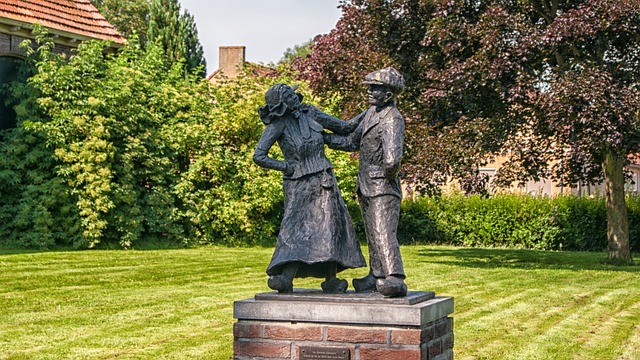
Understanding the Relationship Between Craftsmanship and Material
Bronze’s malleability allows for intricate artistic expression, enabling sculptors to capture fine textures such as skin folds or fabric tension. The interaction between sculptor and alloy defines the monument’s aesthetic character; every hammer strike or wax adjustment influences how light later plays across the surface. Metallurgical precision ensures that artistic intent is preserved through each casting stage, preventing distortion during cooling or finishing.
The Historical Continuity of Bronze as an Artistic Medium
Across civilizations—from Mesopotamia to Renaissance Europe—bronze has symbolized endurance and prestige. Traditional casting techniques bridge ancient artistry with modern innovations, maintaining continuity while embracing new tools. The medium’s longevity enhances cultural permanence; bronze statues weather centuries yet retain their expressive power, often becoming landmarks of collective identity.
Technical Mastery Behind the Bronze Casting Process
Behind every expressive surface lies rigorous technical control. The process involves multiple disciplines: sculpture, chemistry, thermodynamics, and mechanical engineering. Precision in each step determines whether a piece achieves both beauty and durability.
The Lost-Wax Method as a Foundation of Artistic Fidelity
The lost-wax method remains fundamental for achieving high fidelity in bronze casting. This process captures fine sculptural details with remarkable accuracy by first shaping the design in wax. Wax modeling enables iterative refinement before final casting, allowing corrections without risking costly metal waste. Investment molds then translate artistic nuance into enduring metal form through controlled melting and pouring cycles.
Alloy Composition and Its Influence on Aesthetic Outcome
Variations in copper, tin, and trace metals affect tone and texture significantly. A higher tin content yields a brighter hue but increases brittleness; small amounts of zinc or lead alter flow characteristics during casting. Controlled alloying determines surface reflectivity and patina development over time. Metallurgical balance provides both visual harmony and structural stability—an equilibrium few materials achieve so elegantly.
Surface Treatment as an Extension of Artistic Vision
Once cast, the surface becomes a canvas for further interpretation. Artists manipulate color, texture, and sheen to evoke emotion or integrate with surroundings. This stage transforms metal into narrative.
Patination Techniques for Depth and Expression
Chemical patinas introduce color gradations that complement form—greens from cupric nitrate or browns from ferric compounds create depth beyond pigment alone. Heat application manipulates oxidation layers for unique finishes that vary subtly across surfaces. Artists use patina to evoke mood or symbolism: a darkened tone may suggest solemnity; verdigris hints at historical continuity or nature’s reclaiming touch.
Finishing Methods That Enhance Sculptural Integrity
Finishing methods refine both protection and perception. Sandblasting smooths irregularities before polishing enhances highlights on raised areas. Waxing not only guards against corrosion but enriches tonal depth by softening transitions between light and shadow. Each finish reflects conceptual intention—the tactile feel must align with visual rhythm to complete the artist’s message.
The Role of Scale and Proportion in Cast-Bronze Monuments
Scale transforms perception; what feels intimate at table size becomes monumental when enlarged tenfold. Engineers collaborate closely with artists to maintain proportion while ensuring structural safety under environmental stressors like wind or temperature change.
Structural Considerations in Large-Scale Bronze Works
Internal armatures maintain balance during casting and installation phases, especially when figures extend limbs or drapery outward. Modular casting techniques allow scalability without losing detail fidelity; separate sections are welded seamlessly after cooling. Engineering collaboration ensures long-term durability under environmental stressors such as thermal expansion or seismic vibration.
Harmonizing Human Form and Spatial Context
Proportion guides how viewers engage physically with monumental scale—too large risks alienation; too small loses impact amid architecture or landscape. Sculptural rhythm aligns with surrounding structures or vegetation lines to create dialogue rather than dominance. Spatial harmony reinforces thematic resonance within public spaces where people gather, reflect, or commemorate.
Integrating Contemporary Technologies with Traditional Craftsmanship
Modern tools have expanded possibilities without erasing tradition. Digital systems now assist artisans rather than replace them, improving precision while preserving creative spontaneity.
Digital Modeling as a Tool for Precision Casting
3D scanning translates maquettes into accurate digital molds capable of capturing minute hand-sculpted variations. Computer-assisted design optimizes mold geometry for uniform cooling paths that reduce internal stress cracks during solidification. Digital workflows preserve artistic intent while improving efficiency across foundry operations—a balance between innovation and heritage craft.
Hybrid Approaches to Modern Monument Fabrication
Combining manual sculpting with CNC milling enhances textural complexity unattainable by either method alone. Advanced kiln technologies provide consistent metal flow rates that minimize porosity defects common in large pours. Collaboration between artisans and technologists expands creative possibilities—from kinetic installations to hybrid materials integrating stone bases or glass inclusions within bronze frameworks.
The Enduring Legacy of Bronze Casting in Monumental Artistry
Bronze monuments outlast trends because they embody permanence both materially and symbolically. Their surfaces record time itself through gradual color shifts that mirror human history’s passage.
Symbolism, Permanence, and Cultural Continuity Through Bronze Works
Cast-bronze monuments embody collective memory through material permanence; they stand where generations intersect art with identity. Patinated surfaces evolve over decades, reflecting environmental dialogue—rain streaks become part of narrative texture rather than decay signs. The fusion of art, metallurgy, and craftsmanship ensures each monument transcends its era while honoring its origins through timeless form anchored in shared heritage.
FAQ
Q1: Why is bronze preferred over other metals for monumental sculpture?
A: Bronze offers exceptional strength-to-weight ratio, fine detail reproduction capability, and natural resistance to corrosion once patinated—all crucial for outdoor installations expected to last centuries.
Q2: How long can a cast-bronze monument last outdoors?
A: Properly alloyed bronze can endure several hundred years outdoors; many ancient examples remain structurally sound despite weather exposure due to stable oxide layers forming protective barriers.
Q3: What factors influence patina color development?
A: Chemical composition of the alloy, atmospheric conditions such as humidity or pollution levels, and specific treatments applied by artists all shape patina coloration over time.
Q4: How do modern technologies improve traditional bronze casting?
A: Digital modeling allows precise scaling from small models to monumental size while minimizing distortion risks; advanced furnaces maintain consistent temperatures critical for clean pours.
Q5: Can damaged bronze monuments be restored without full recasting?
A: Yes, conservation specialists often use localized welding repairs combined with chemical repatination techniques that blend seamlessly into original finishes without altering historical integrity.


