How Does a Digital Torque Wrench Ensure Greater Precision vs Click-Type Models
The Fundamentals of Torque Measurement
Torque is more than just a twisting force. It works like a hidden hand that keeps machine parts steady and safe. In careful work with machines, every turn counts a lot. Every bolt set to the right twist value decides how long the whole setup lasts when things get rough. Shops see this often when they fix cars or build machines. A bolt that is off by even a small amount can lead to trouble later, like parts coming loose after many miles of driving. Before looking at how a digital torque wrench stands apart from a click-type or beam model, it helps to see why torque checks matter in so many fields. Workers learn this through time on the job, where one loose bolt can stop a whole line of work.
The Concept of Torque and Its Importance
Torque means the turning push put on fasteners to get the right pull. It makes sure bolts sit neither too slack nor too tight. When the twist is set right, parts stay whole and the build holds up well. One wrong move can bring shakes in car engines or big trouble in plane frames. Different ways to check torque change how steady and safe the final item turns out. That is why exact tools matter for good checks. Take a car wheel as one clear case. The bolts there often need around 120 Nm of twist. If someone puts on too little, the wheel might wobble after a month of use on the road. Too much and the threads can stretch or break over time. In plane work the same idea applies but with even tighter numbers because safety comes first. Workers learn this through years on the job. A single misstep can cause vibration issues in automotive systems. It can also lead to big problems in aircraft structures. Variations in torque measurement methods directly influence how reliable and safe the product ends up. Shops often deal with this when they fix trucks or build frames. A bolt set wrong by just five percent can make the part fail after a few hundred hours of work. This is why teams check each step with care before moving on to the next job.
Types of Torque Wrenches Used in Precision Applications
Torque wrenches come in several forms. Beam, click-type, and digital models show up most often in shops. Beam wrenches work with a bending bar and a pointer scale. They give a clear sight line but need a steady hand and sharp eyes to read right. Click-type wrenches use a spring setup that makes a sound when the goal twist is hit. Digital torque wrenches rely on sensors to show numbers on a screen. Each kind needs its own care. Mechanical ones call for hand checks now and then. Digital ones often fix small shifts inside the tool itself. Shops pick one type based on the spot. Beam models fit simple jobs in small garages. Click-types suit work out in the field where light may be low. Digital ones give lab-level exactness when the job needs records. A beam wrench might work fine in a small garage where the light is good and the jobs are basic. But on a busy line with fifty bolts an hour, the pointer can be hard to read fast enough. That is where the other kinds step in and help the team move quicker. In one plant they tested all three kinds side by side for a week. The digital model showed fewer errors when the work ran long into the night shift.
Mechanical vs Electronic: Core Differences in Operation
Mechanical and electronic torque wrenches run on different ideas. The first uses moving parts you can feel with your hand. The second turns push into signals that sensors read right away. This split shapes how the tool feels to use and how often it needs checks. Workers notice the difference right away when they switch from one to the other during a long shift. The mechanical kind gives a solid stop at the end. The electronic kind keeps showing changes on the way there so the user can adjust in time.
The Working Principle of Click-Type Torque Wrenches
Click-type wrenches work with a spring that lets go once the set twist is reached. You hear or feel a click at that point. This gives quick touch feedback but no live numbers on a screen. The result stays steady only if the user stays calm and stops at the right moment. Miss the click or keep pushing and the number can shift by a few percent. Springs also lose some pull after months of use or in hot or cold spots. So checks stay needed on a regular basis. In a real shop a click-type model might be used all day on truck frames. After about six months the spring can drift by five percent. That adds up when the same bolt gets checked again later in the week. Teams often keep a log to track these small changes over time.
The Mechanism Behind Digital Torque Wrenches
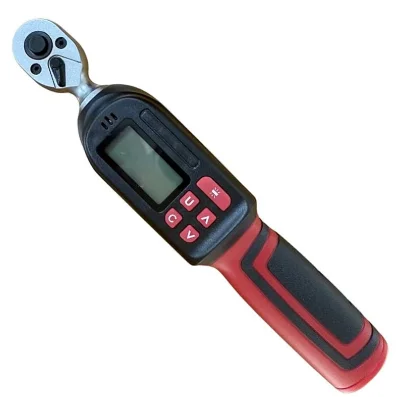
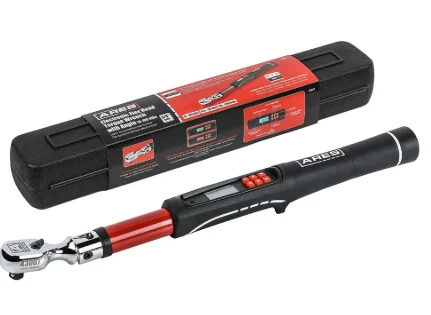
Digital torque wrenches use small sensors to catch the twist level at each step. These parts turn the push into signals that show up right away on a screen. You watch the number climb as you turn and can ease off before you go too far. Many models keep the numbers inside or send them by cable or wireless link. Shops that need records for rules like those in plane work find this handy. For instance a digital torque wrench can store the last fifty readings without any extra paper. That helps when an inspector comes by and wants to see the exact values from last week. In one case a team used this feature to fix a small error before the batch left the line.
Precision Factors That Distinguish Digital Torque Wrenches
Digital tools cut down on small slips thanks to the sensors and the small circuits inside. Human error drops because the tool watches the whole turn, not just the end point. In practice this means fewer bolts need a second pass. A worker might finish a set of engine mounts in half the time because the screen shows every small change as it happens.
Sensor-Based Accuracy Enhancement
The sensors skip many small drag errors that show up in spring models. They watch the twist all the time. So you can fix tiny moves while you work on the bolt. Some newer digital models run small fixes on their own to hold the reading steady even after many uses. One shop tested this on a line that ran twelve hours a day. The digital model stayed within two percent even after two thousand uses. The spring kind drifted more during the same test period. This kind of steady reading helps teams meet tight rules without extra steps.
Real-Time Feedback and Data Logging Capabilities
Digital torque wrenches give sound, light, or shake alerts as you near the goal. These extra signs help when the same bolt gets turned again and again on the line. Built-in memory saves each reading for later checks or rule papers. Shops link the tool to their record systems so every batch has a clear trail. On a medical device line this logging catches a bad reading before the part leaves the bench. It saves time and keeps the whole batch safe from later issues. Teams can look back at the data to spot patterns that might cause trouble in the next shift.
User Experience and Ergonomic Considerations
How the tool sits in the hand counts almost as much as the reading it gives. Long days on a line or in a repair bay make this clear to everyone. A tool that feels off can make the wrist ache by the end of the shift. Shops try different grips to find what works for most workers on the team.
Interface Design and Ease of Use in Digital Systems
The screen on a digital model shows the live number and the goal side by side. That cuts down on guesswork when the clock runs and the work piles up. You can store a few goal numbers and switch fast without turning dials each time. Bright screens help in dim corners of a shop or under a car during night work. A worker once said the back light saved him from missing a reading during a long shift in a poorly lit bay. This small feature makes a real difference when the job runs late.
Ergonomics and Handling Differences Between Models
Digital wrenches add a bit of weight from the battery and wires. Yet the shape spreads that weight so wrists do not tire fast during long use. Click-type models stay light and need no charge. Yet they ask the user to feel the click every single time without help from a screen. Handle shape and how the head moves change from brand to brand. These small points affect how steady the work stays when more than one person does the same job. In one plant they found that a slightly thicker grip on the digital model cut complaints about hand strain by half after a month of testing. The team noted the change helped keep output steady across shifts.
Calibration, Maintenance, and Longevity Comparison
Even strong tools lose their edge without care over time. The way each type gets checked differs a lot between models. A good habit is to keep a log of when each wrench was last looked at. This helps even if the tool itself tracks some of it inside.
Calibration Procedures for Digital Torque Wrenches
Digital models use a master sensor to set the right mark each time. The tool writes down each check in its memory. So papers stay ready for audits without extra work. Because the inside circuits fix small shifts on their own, the gap between checks can stretch longer than with spring models under the same daily use. A shop that runs daily checks on spring wrenches might only need to do the digital ones every three months. This saves hours over the year and keeps the line moving. Teams often find the digital kind holds its mark better after heavy use.
Durability and Environmental Tolerance Factors
Click-type wrenches take drops and wet floors better since they hold fewer small parts that hate shocks or damp air. Digital ones need a dry case and gentle handling so water or strong radio waves do not throw the screen off for a moment. A good box keeps both kinds working longer in the shop. One worker dropped a digital model once and the screen went blank for an hour. But it came back after it dried out in a warm spot. Proper storage helps both types last through daily use on the floor.
Applications Where Digital Precision Provides a Competitive Edge
Some lines of work cannot skip exact records. This is where digital tools show their worth in daily tasks. The extra cost at the start often pays off when the work repeats the same steps many times a day on the line.
High-Specification Industries Benefiting from Digital Control
Plane builders need twist values that stay within a tight band because even small misses can touch safety in big ways. Car plants use the same tools on engine mounts and frame bolts so the order of turns stays the same each time. Medical gear shops also count on them since each fastener can change how a part fits down to tiny steps. In a car plant the bolts on the chassis might all need 80 Nm in a set order. Missing one by 5 Nm can cause a rattle that shows up only after the car has driven 5000 miles on the road. Teams in these fields often train new workers on the digital kind first because the screen makes the rules easier to follow each day.
Integration with Smart Manufacturing Ecosystems
New plants link every tool to one screen that shows live numbers from the floor. A digital torque wrench sends its reading straight into the main system without extra steps. This link helps spot odd patterns early so a machine does not sit idle later in the week. When a reading comes in higher than normal three times in a row, the system flags it for a quick look before the next shift starts. This early notice keeps the whole line running smooth and cuts down on waste from bad parts.
FAQ
Q1: What makes a digital torque wrench more precise than a click-type model?
A: It uses strain gauge sensors that watch the push all through the turn instead of waiting for a spring to snap. This lets the user see changes as they happen and stop at the right spot without guessing at the end. In daily use this steady view cuts down on repeat work by a good amount.
Q2: How often should a digital torque wrench be calibrated?
A: It often needs checks less often than spring models because the circuits inside fix small changes between set dates. Many shops find they only need a full check every few months instead of every few weeks. This saves time and keeps the work flowing without long stops.
Q3: Can digital wrenches withstand rough field conditions?
A: They handle less wet or hard knocks than click-types, yet they work fine when kept in a case and used with care. A simple cloth cover can keep dust off during outdoor jobs in the yard. Teams often carry a spare case for this reason when they move between sites.
Q4: Do all digital models support data transfer features?
A: Only the higher ones add wireless or cable links. Basic models show the number and stop there. For simple bench work the basic kind is often enough to get the job done right each day.
Q5: Is it worth upgrading from a beam wrench to a digital one?
A: When the job needs saved records or very close limits, the change brings clear speed and fewer repeat checks. Shops that switched reported finishing jobs twenty percent faster after the first month on the floor. The screen helps new workers learn the right feel quicker than older tools alone.


