
How Stainless Steel Casting Drives Innovation Across Modern Industries
The Versatility of Casting Stainless Steel: Applications in Various Industries
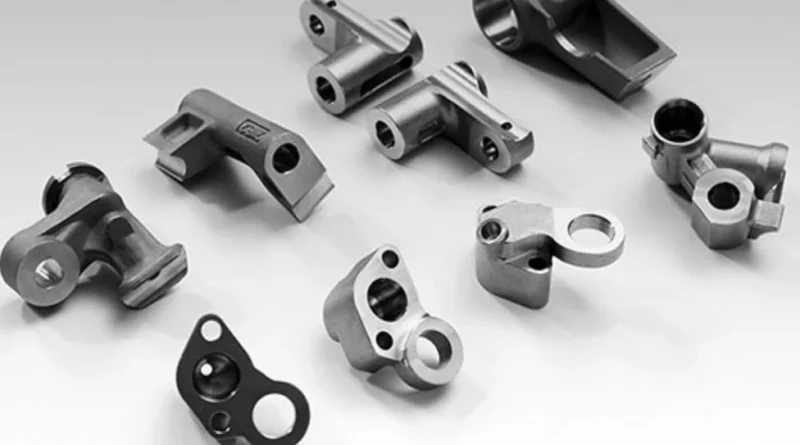
Stainless steel casting sits at the heart of today’s manufacturing. It gives strong parts that fight rust and come out with good shape. Shops use it from planes to kitchen lines because the metal holds up and the shapes fit exact needs. New mixes of metal, better computer checks, and cleaner shop habits keep this method ready for what comes next.
The Foundation of Stainless Steel Casting Technology
The real work happens when metal shops watch how the mix cools and hardens. They tweak the recipe so the part ends up tough, rust-proof, and not too costly to make.
Understanding the Metallurgical Principles Behind Stainless Steel Casting
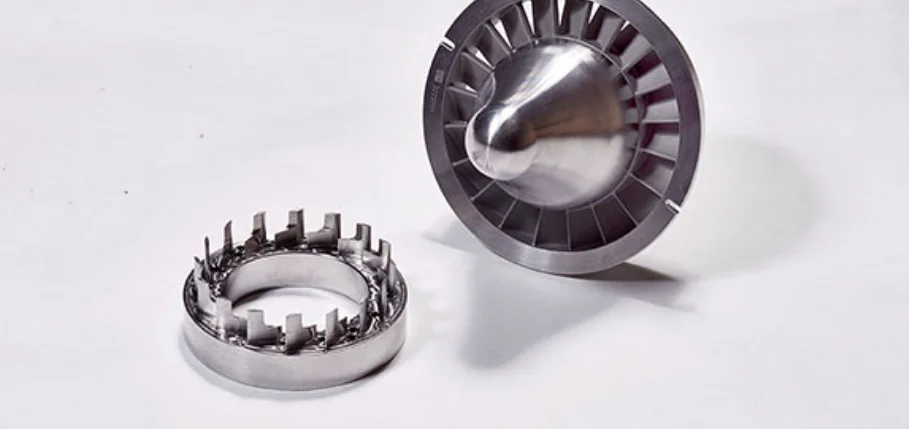
What goes into the pot decides how the metal flows and sets. Chromium builds a thin skin that blocks rust. Nickel helps the piece bend without cracking. Molybdenum keeps small holes from forming when salt water hits. These bits work together so the part stays solid under load or near chemicals.
The tiny crystal pattern inside also matters. Smaller grains give more pull strength and leave a smoother face after cutting or buffing. Shops change how fast the piece cools or run extra heat steps to get the grain right for things like turbine covers or pump wheels. In one shop I heard about, they slowed the cool-down just a bit on a big impeller and cut polish time by almost half.
Modern Casting Techniques and Process Innovations
Investment casting still wins when the part has lots of fine detail and close sizes. Sand casting costs less when the piece is big and simple. Spinning molds work well for round hollow pieces like tubes or rings that need even thickness all the way around.
New shell molds made from special clay stand up to the heat without warping. Sensors now track the heat in real time so the pour stays steady. Computer models guess where the metal might pull in or trap air, so the shop can fix the mold before any metal is melted. That step alone drops wasted castings a good amount.
Engineering Advantages of Stainless Steel Casting
Designers like these cast parts because they keep their shape and strength even when things get rough. That matters most when a failure is not an option.
Mechanical Properties That Enable Design Flexibility
The metal can stretch and still pull hard, so it works from cold storage tanks all the way to hot exhaust stacks. It also stands up to repeated bending and rubbing, which shows up in spinning machines or rough pumps. Parts made this way hold size after years of use, so builders can draw shapes that would be hard to cut from a solid block.
Corrosion Resistance and Surface Integrity
The chromium skin fixes itself when scratched, so the metal keeps fighting rust even in salt air or acid tanks. Shops clean the surface to remove bits that could start trouble, then polish it smooth. Some jobs add a thin coat on top for extra life in tough spots.
Applications in the Energy Sector
Power plants need metal that takes heat, pressure, and strong chemicals without slowing down. Stainless castings show up in both old coal plants and newer wind or solar setups.
Power Generation Components and Performance Requirements
Gas turbines use cast stainless housings around blades that see flames over 1000°C. Pump bodies and valves must hold back fast-moving liquid and stay tight at high pressure. Because the metal stays steady, plants can run longer between shut-downs. That saves money when every hour offline costs real cash. Shops pick the mix based on whether the system uses steam or burning gas.
Oil, Gas, and Petrochemical Equipment Applications
Rigs at sea need parts that live in salt water and changing loads. Manifolds, wheels, and compressor cases come from precision molds so the inside paths let fluid move with less drag. Rules like API keep everyone on the same page. When the metal grain stays even, pipes and pumps last longer before cracks show up from the back-and-forth stress.
Stainless Steel Casting in the Automotive and Aerospace Industries
Cars and planes keep pushing for lighter weight and better mileage. Casting lets builders make thinner walls and still keep strength.
Automotive Engineering Uses for Lightweight Durability
Exhaust headers made this way take heat past 900°C without growing or flaking. Turbo cases come out thin but still spin safely past 150,000 turns a minute. In electric cars the same metal makes battery boxes that block electric noise and take a hit in a crash. The trick is getting the mix right so the box does both jobs without adding extra weight.
Aerospace Component Manufacturing Through Precision Casting
Jet parts must handle quick heat changes from climb to cruise. X-ray checks look inside before the part goes on the plane. Rules like AS9100D set the bar. New nickel-chrome mixes handle over 1100°C and still fight scale at Mach 2 speeds. One engine maker found that switching to a slightly richer chromium mix cut blade repairs by a third over two years.
Medical Equipment and Instrumentation Applications
Hospitals need tools that stay clean and safe around body fluids and strong cleaners. Stainless castings in the right grade meet those rules.
Biocompatibility and Hygiene Standards in Medical Castings
Grade 316L shows up in scalpels and clamps because it does not react with blood and can go through steam cleaning at 134°C many times. Shops follow ISO 13485 so every batch can be traced. The smooth finish leaves fewer places for germs to hide. In real operating rooms that matters when a tool is used all day and cleaned every night. Labs keep testing new small parts for cameras and scopes, mixing metal with other materials to make lighter tools that still last.
FAQ
Q1: What makes stainless steel casting superior to other metal-forming methods?
A: It gives tight sizes and good strength while letting shapes that forging or cutting from solid stock cannot easily reach.
Q2: Which industries benefit most from stainless steel castings?
A: Power plants, car factories, plane builders, hospital gear makers, food lines, chemical plants, and boats all count on it.
Q3: How does temperature control influence casting quality?
A: Steady heat during pour and cool-down stops shrink holes and small cracks by letting the metal set evenly in the mold.
Q4: Are sustainable practices being adopted in foundries?
A: Yes. Melting scrap again cuts smoke, and better ovens use less power for each ton made.
Q5: What future trends will shape this field?
A: Shops now mix 3D printing steps with old casting molds to speed up test parts and waste less metal on every run.


