What Are Eye Bolts and How Do You Choose the Right Type for Lifting?
Eye bolts are small parts, but a wrong choice can cause a lift or tie down job to go badly. If you buy bolts and fasteners for equipment, steel structures, trailers, or workshop use, thread size is only one part of the order. You also need to confirm the shape, material, rated capacity, and load direction.
Below is a practical run-through of the main eye bolt types, where they are normally used, and what should be checked before purchase. The safety notes refer to public information from ASME B18.15-2025, ASTM A489-25, OSHA 29 CFR 1926.251, The Crosby Group forged eye bolt catalog from 2016, and CCOHS OHS Answers updated in 2025. No chart fits every brand or every site condition, so the final choice still needs to match the supplier data sheet and the lift plan.
What Are Eye Bolts Used for?
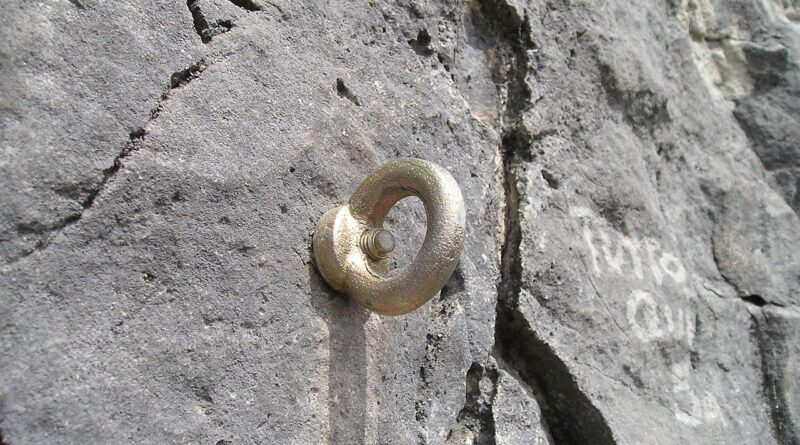
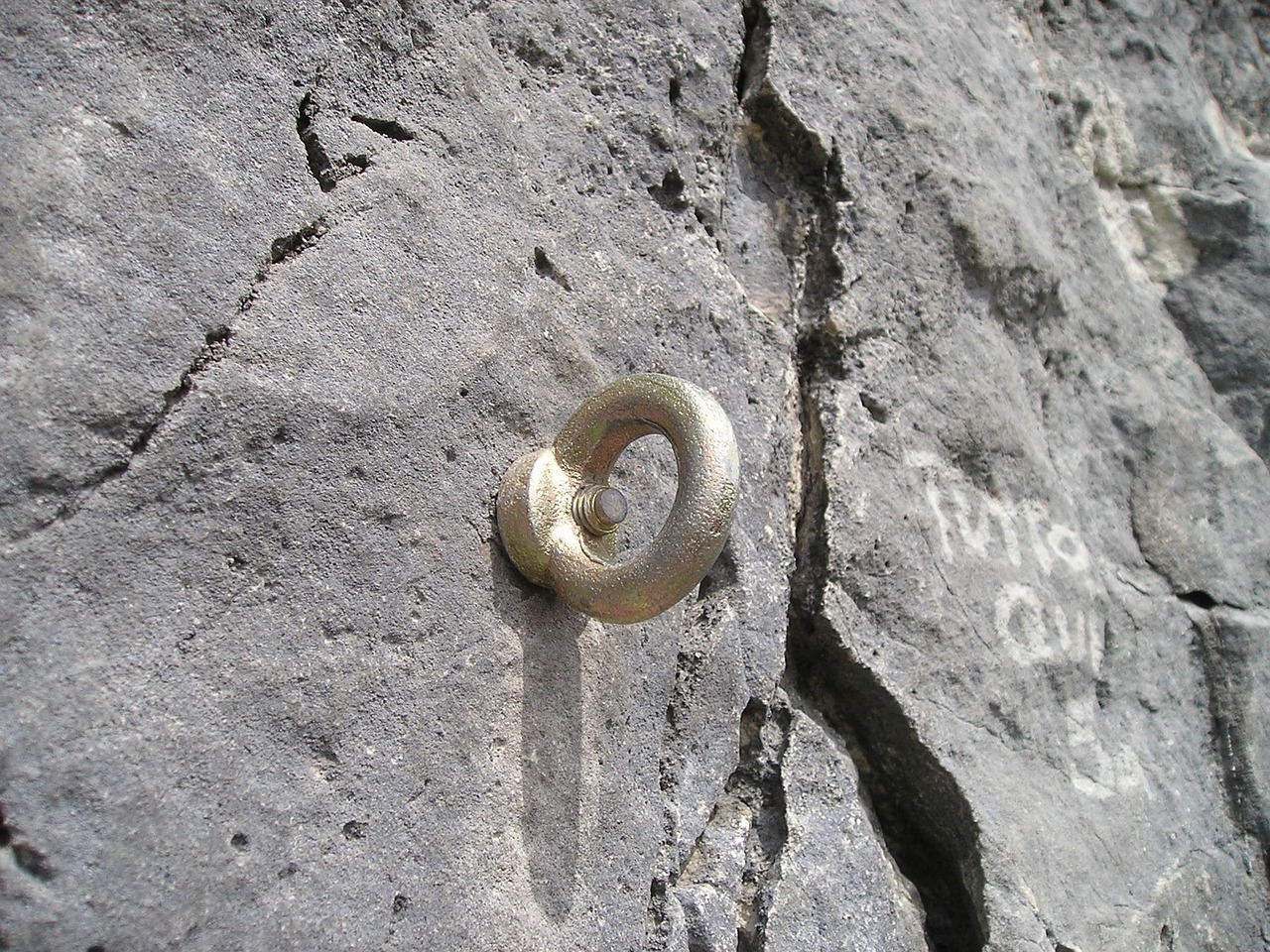
An eye bolt is a threaded fastener with a looped head. The loop gives a fixing point for a hook, shackle, chain, wire rope, or tie down strap. The main point is not only how much weight it can hold, but also which way the load pulls. A vertical lift on the shank is not the same as a side pull on a machine frame.
Lifting Points for Machines and Fabrications
Forged lifting eye bolts are often used on motors, pumps, gearboxes, molds, and welded steel assemblies. In many orders, the eye bolt is fitted only for shipping, assembly, or maintenance handling, then removed or left unused after installation.
ASME B18.15-2025 covers forged threaded eyebolts mainly intended for lifting applications. It includes carbon steel sizes from 1/4 inch through 2 1/2 inch and corrosion resistant stainless steel sizes from 1/4 inch through 1 1/2 inch. This scope is worth checking, because decorative screw eyes and bent wire eyes are not in the same product class.
Tie Down Points for Cable, Chain, and Rope
Eye bolts are also used on trailers, fencing, marine hardware, utility brackets, and light structural fixing. These jobs may involve a steady holding load instead of overhead lifting, but the capacity still should not be guessed.
A dockside cable support, for example, may deal with vibration, salt spray, and pull angles that change over time. Stainless steel may be a better choice against rust, while galvanized carbon steel can be enough for dry outdoor work at a lower cost.
Temporary Handling During Production
Fabrication shops often use eye bolts as temporary handling points before the finished product gets its final hardware. This is safe only when the tapped hole, thread depth, base material, and eye bolt rating are all suitable for the lift.
Small details matter in this work. Paint under the shoulder can stop the shoulder from sitting flat, and that can change how the load goes into the part. It may look like a minor issue on the shop floor, but these are the details that prevent lifting trouble.
Which Eye Bolt Type Fits Your Job?
Many buying mistakes start when every looped fastener is treated as the same item. The shape shows how the part should be loaded. Before comparing prices, separate plain pattern, shoulder pattern, nut eye bolts, machinery eye bolts, and swivel hoist rings.
Plain Pattern Eye Bolts for Straight Pulls
A plain pattern eye bolt has no shoulder under the eye. It is mainly used for in-line loading, where the force follows the shank axis.
If the pull goes sideways, the shank can bend and the threads may carry load in a way they were not made for. ASTM A489-25 describes Type 1 as the plain pattern and Type 2 as the shoulder pattern, with long and short shank styles defined through ASME B18.15. This wording helps make the purchase order clear.
Shoulder Eye Bolts for Controlled Angular Loads
A shoulder eye bolt has a bearing shoulder below the eye. When the shoulder is seated firmly against the load surface, it gives better support for some angular pulls.
This does not mean the eye bolt keeps full capacity at every angle. It only means the part may be used for controlled angular lifting when the manufacturer chart allows it. The shoulder must sit flat, the eye should line up with the sling, and the load should stay in the same plane as the eye.
Swivel Hoist Rings for Changing Pull Direction
If the lifting angle changes during the lift, a swivel hoist ring is often the safer option. It can rotate and pivot with the load direction, while a fixed eye bolt cannot do that.
This difference matters on molds, machine tools, or loads that roll a little while being raised. A fixed eye bolt pulled sideways can lose capacity quickly, even when its vertical rating looks more than enough on paper.
How Does Load Angle Change Eye Bolt Capacity?
Rated capacity is not one fixed number once the sling angle changes. The pull direction can cut the usable working load limit by a large amount. Oversizing by guesswork is not a good answer, because the problem is geometry as well as strength.
Vertical Pulls Keep the Highest Rating
Most catalog ratings are based on an in-line vertical pull. If a shoulder eye bolt is rated at 1,000 lb for a straight lift, that does not mean it is still rated at 1,000 lb at 45 degrees.
OSHA 29 CFR 1926.251 requires rigging equipment for material handling to have legible identification markings showing the recommended safe working load and not be loaded above that value. In daily work, check both the vertical WLL and the angular load table before the lift.
Angular Pulls Need a Derated Chart
The Crosby Group forged eye bolt catalog from 2016 gives a useful example. It lists adjusted working load as 100 percent at 5 degrees from in-line, 80 percent at 15 degrees, 65 percent at 30 degrees, 30 percent at 45 degrees, and 25 percent at 90 degrees.
Using that chart, a 1,000 lb rated eye bolt is only 300 lb at a 45 degree pull. CCOHS OHS Answers, updated in 2025, also notes that eye bolt strength at a 45 degree horizontal angle drops to 30 percent of vertical lifting capacity. Different makers may publish different tables, but the point is the same: angle reduces capacity fast.
Side Loading Calls for Better Hardware
Regular nut eye bolts should not be used for angular lifts, according to the Crosby catalog. For heavy side loading, changing lift paths, or multi-leg slings, use shoulder eye bolts only within the published chart.
If the pull direction cannot be kept predictable, move to swivel hoist rings or review the lifting point design. This is not just a purchasing issue; it is a rigging and design issue.
What Materials and Finishes Should You Choose?
Material choice affects strength, corrosion behavior, appearance, and cost. For export orders, it also affects standard matching. A North American buyer may ask for ASME or ASTM wording, while a European project may mention DIN 580 or ISO 3266. Do not replace one standard with another without checking dimensions and load ratings.
Forged Carbon Steel for General Lifting
Forged carbon steel is a common material for industrial lifting eye bolts. It is widely used because it gives stable strength when the part is made and tested to the right standard.
ASTM A489-25 covers chemical, mechanical, grain size, and dimensional requirements for weldless forged, quenched, and tempered carbon steel threaded lifting eyes intended for overhead lifting. For lifting work, forged construction is usually preferred over bent or welded loop styles because the grain flow and tested properties fit load bearing work better. See also: Fittings & Valves.
Stainless Steel for Wet or Corrosive Sites
Stainless steel eye bolts are a good fit where rust is a regular problem. Common examples include food equipment, marine fittings, outdoor frames, and washdown areas.
The tradeoff is not only the higher price. Stainless grades, thread galling risk, and rated capacity all need checking before the order is placed. Do not assume a stainless eye bolt has the same WLL as a carbon steel eye bolt of the same diameter.
Zinc Plating and Hot Dip Galvanizing for Rust Control
Zinc plating gives a neat finish for indoor and light outdoor use. Hot dip galvanizing gives heavier rust protection, but it also adds coating build-up and can affect thread fit.
If you need galvanized eye bolts with nuts, buy matched parts or confirm thread tolerance after coating. A nut that runs smoothly is not just convenient; it helps confirm the thread can fully engage.
How Should You Check Threads, Size, and Fit?
The eye is easy to see, but the thread carries much of the work. A strong eye bolt fitted into a weak tapped hole is still a weak assembly. Good buyers ask for thread series, shank length, shoulder diameter, material standard, and capacity chart, not just M12 or 1/2 inch.
Thread Size Matched to the Tapped Hole
Inch eye bolts may use unified coarse threads, while metric eye bolts follow metric thread systems. ASME B1.1-2024 covers unified inch screw threads, including UN and UNR thread forms.
Close sizes should not be mixed. A wrong thread may start to bite and still fail to give proper engagement. If the hole is damaged, oversized, painted, or filled with debris, clean it or repair it before using the eye bolt.
Full Seating of the Shoulder
For shoulder eye bolts, the shoulder must sit firmly against the load surface. Spacers or washers should be used only when the manufacturer allows them and when they still support full seating.
The eye should face the load direction. If it stops in the wrong position when fully tightened, do not loosen it just to make it point the right way. Use proper shims, a different shank length, or another lifting point design.
Enough Thread Engagement in the Base Material
Thread engagement depends on the base material. Steel, cast iron, aluminum, and wood do not hold threads in the same way.
For overhead lifting, the base material should be checked by a qualified person. A tapped plate may look thick enough but still be unsafe if the load pulls at an angle or the plate can bend. When the base material is uncertain, a through bolt with rated nut and backing plate may be safer than a tapped blind hole.
What Should You Inspect Before Use?
Inspection is not paperwork for show. It is the last simple check before a cracked eye, stretched thread, missing mark, or wrong installation becomes a site problem. OSHA 29 CFR 1926.251 says rigging equipment for material handling must be inspected before use on each shift and as needed during use, and defective equipment must be removed from service.
Clear Markings and Known Working Load Limit
Do not use unmarked lifting eye bolts for critical lifting. The marking, certificate, packing label, or supplier data should let you trace the size, material, and WLL.
If the part was found loose in a mixed hardware bin, treat it as unknown. It may still be suitable for a light non-lifting job, but not for overhead handling.
No Cracks, Bends, or Damaged Threads
Check the eye radius, shoulder seat, shank, and first few threads before use. These areas often show the first signs of overload, poor fitting, or rough handling.
Remove the part from service if you find cracks, visible bending, heavy corrosion, worn threads, or heat damage. A bent eye bolt is not a custom angle fitting. It is a part that has already yielded.
Correct Alignment With the Sling
Before lifting, check that the sling or shackle pulls in the planned direction. The eye should not be twisted against the hook, and the hook should not load the tip of the eye.
If two eye bolts are used, review the sling angle and load sharing. One eye bolt can take more than half the weight when the center of gravity is off. This happens often on welded fabrications with motors, guards, and brackets on one side.
FAQ
Q1: Can Eye Bolts Be Used for Side Pulls? A: Plain pattern eye bolts should be used for in-line pulls only. Shoulder eye bolts may handle angular pulls when fully seated and used within the manufacturer derating chart. For changing side pulls, a swivel hoist ring is usually a better choice.
Q2: Are Stainless Steel Eye Bolts Stronger Than Carbon Steel Eye Bolts? A: Not always. Stainless steel gives better corrosion resistance in many wet or washdown settings, but strength depends on grade, standard, heat treatment, and design. Always compare the published WLL, not only the material name.
Q3: What Is the Difference Between an Eye Bolt and a Screw Eye? A: An eye bolt has a machine thread or bolt thread for use with a tapped hole or nut. A screw eye has a wood screw style thread. Screw eyes are common for light hanging jobs, but they are not a substitute for rated lifting eye bolts.
Q4: How Much Capacity Is Lost at a 45 Degree Pull? A: A commonly cited forged eye bolt chart from The Crosby Group lists 30 percent of rated working load at 45 degrees from in-line. That means a 1,000 lb vertical rating may drop to 300 lb at that angle. Use the chart from the actual manufacturer.
Q5: What Should Be on an Eye Bolt Purchase Order? A: List the standard, type, size, thread, shank length, material, finish, working load limit, quantity, certificate needs, and packing requirements. For lifting use, also ask for the manufacturer load chart and traceable markings.


