
What Are Security Screws And How Do They Enhance Tamper Resistance
Security Screws Explained: Types, Drive Styles, and Use Cases
Security screws act as more than simple fasteners. They form a key part of systems that guard physical items from unwanted changes or entry by outsiders. In fields like factory planning, building upkeep, or device building, picking the correct type of security screw can separate steady work from expensive stops. This piece looks at how these special screws work, their groups, and the design thoughts that guide their use.
Security Screws and Their Purpose?
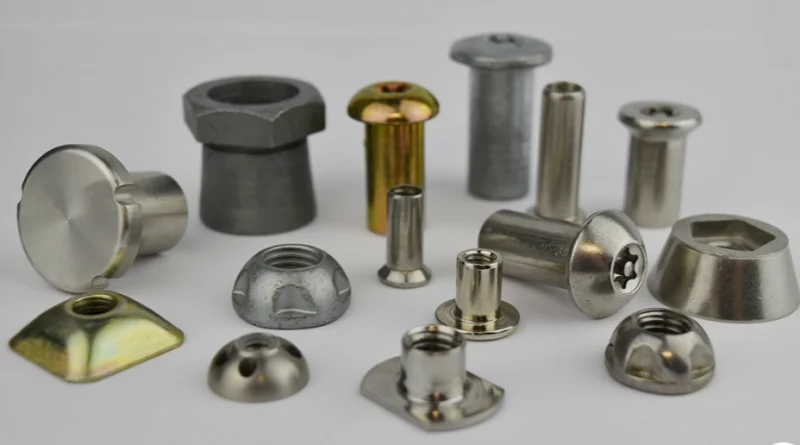
Security screws work as an early barrier against meddling. They get built with special drive setups that need matching tools to put in or take out. This makes them unfit for usual drivers. You spot them often in places where keeping things safe from outside help is a must, like on buses or in locked data boxes.
Definition and Core Function of Security Screws
Security screws stand as special fasteners aimed to stop unwanted taking out or messing around. Their special head shapes, such as pin-in Torx® or one-way slotted, make them unfit for daily tools. The aim goes beyond just blocking force. It also keeps gear whole as time passes. In spots like hospitals or phone setups, where steady work can’t be questioned, these screws make sure vital parts stay safe from people without the right skills. Think about a busy clinic where a loose panel could cause real trouble; these screws help avoid that.
The Importance of Tamper Resistance in Fastening Systems
Tamper resistance holds a big spot in any place where safety or rules matter a lot. These fasteners push back against damage and stealing. At the same time, they keep strong links under push or shakes. In fields that deal with private info or risky stuff, tamper-resistant screws also help follow laws. They make sure only trained workers can do fixes. Over years, this cuts down on damage from wrong tool use. It stretches the life of machine setups. For example, in a factory with heavy machines, one loose screw could halt production for hours, costing thousands.
Classification of Security Screws by Design Type
Security screws split into two main groups: ones for keeps and ones you can use again. Each kind fits its own job based on if you plan to open things later.
Permanent Security Screws
Permanent security screws get made for a single put-in job. Once you tighten them, taking them out harms the head. You see them a lot on park seats, bathroom parts, and road signs where lasting hold counts more than easy reach. Usual kinds include one-way slotted heads and breakaway bolts. The tops of these break off after hitting set tightness levels. These shapes put off messing around since pulling them needs rough ways.
Reusable Security Screws
Reusable kinds find a middle ground between safety and easy fixes. They call for special bits to pull out. But they let trained people do upkeep without risk. Uses cover control boards, power boxes, or server shelves that need checks now and then. Well-liked styles like pin-in hex, tri-groove, and pin Torx® keep good block against random meddling. Yet they still allow work room. In a server room, for instance, techs might need to swap parts every few months, and these screws make that possible without full redo.
Drive Styles and Mechanisms Behind Tamper Resistance
The strength of a security screw rests mostly on its drive setup. This is the spot where the tool meets the screw head. It sets how well it grabs on.
Unique Drive Configurations
Pin-Based Drives
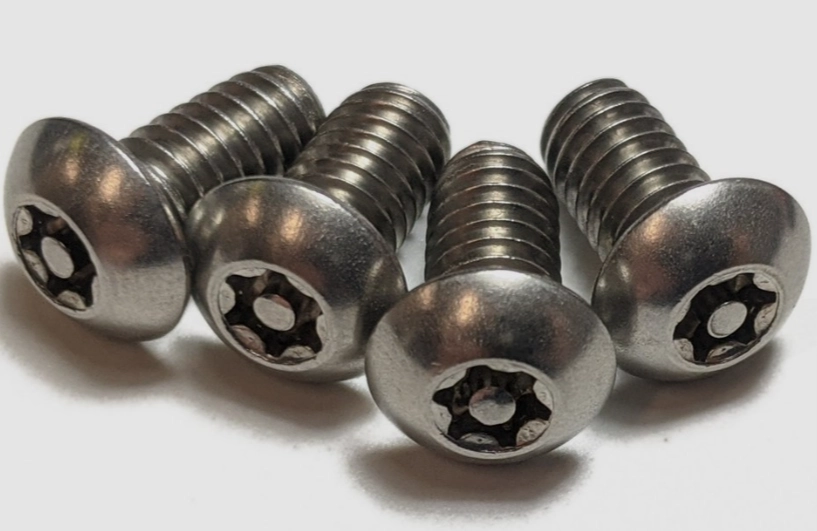
Pin-based drives have a tiny post right in the middle of the cutout. This post stops normal driver bits from sitting right. Only tools with empty centers that match can grab these heads well. This basic add-on boosts block against unwanted pulling a great deal. Since most shop tools just won’t fit, it’s a smart simple fix. I’ve seen cases in workshops where folks tried common bits and failed every time.
Slot Variations and Asymmetric Patterns
Some designs use odd slot shapes over pins. Tri-wing drives show three off-center arms. Spanner heads have two round holes. Snake-eye setups make paired dents that look like eyes. These shapes cut down on tool choices. They also stop make-do tries with grips or flat tools. In urban spots, like fixing street signs, these keep kids or passersby from easy damage.
Material Strength and Coating Considerations
Material Selection for Durability and Security
Picking the right material shapes both strength in work and long life. Stainless steel types fight rust in open or sea spots where water hits often. Alloy steel kinds give better pull strength for tough jobs like machine boxes in factories or moving systems that shake a lot. For outdoor bridges, stainless often lasts 20 years without much care, based on real builds.
Surface Treatments Enhancing Performance
Surface covers add more to how they work. Zinc plating guards against rust. It keeps good flow for power, which helps in device builds where ground links count. Black oxide layers cut shine in bright lights. They give a even look great for building setups. Sometimes, in sunny parks, the no-glare part stops eye strain for workers.
Application Domains of Security Screws
Security screws show up in many areas. Their guard role fits well to varied work needs.
Industrial Equipment Protection
In making plants, these fasteners hold machine covers, power boards, and sense boxes against chance or bad meddling. Stopping outside entry cuts process breaks. That could lead to high costs or hurt risks while running. Picture a car factory line; one tampered guard could stop the whole shift.
Public Infrastructure and Urban Installations
Open places need toughness against weather and rough use. Security screws fix bus stops, road lamps, seats, sign holders, and even play gear. All these spots face wrong use if not locked down. In cities like New York, they’ve cut repair calls by half in some parks.
Electronics and Data Systems Security
In computer setups or home device making, tamper-proof screws guard inside wires from changes or part steals. Net boxes often use them to meet data center rules on who can touch hardware. For a small business server, this means safe info without big locks.
Engineering Considerations When Selecting Security Screws
Choosing the best fastener means weighing reach needs against weather limits and rule guides.
Matching Drive Type to Access Requirements
If your build won’t need take-apart later, like a set public item, permanent types fit best. For gear that calls for regular checks, such as air system controls or info stands, reusable drives let safe entry. They keep guard levels high. In schools, for example, teachers might need quick access to AV panels without full tools.
Assessing Environmental Conditions and Load Requirements
Tough spots need rust-proof metals like stainless steel A2/A4 levels or covered plain steels for cheap ways. In shake-heavy areas like train lines or big trucks, glue-like thread locks might help hold tightness over time. Real tests show these hold up to 50% more shake than plain ones.
Compatibility with Installation Tools and Standards Compliance
Always pair drivers exact with maker guides. Wrong tools can strip heads or put uneven pull that hurts link strength. Following size rules like ISO 10642 for sunk hex or ANSI B18 keeps steady quality from sellers when growing builds worldwide. Skipping this has caused mix-ups in big projects, like delayed shipments.
Advancements in Tamper-Proof Fastening Technologies
Changes keep going past plain builds. Makers now mix digital help into screw systems for tracking and better put-together control.
Integration with Smart Tooling Systems
New work lines use clever tightness tools more and more. These can spot allowed users via badge chips before letting screw jobs. This not only limits tool use but logs tightness numbers on its own. That’s key for checks in plane or health device making where papers are a must. In one auto plant, this cut errors by 30% last year.
Evolution Toward Hybrid Mechanical-Electronic Security Solutions
Coming designs mix hard blocks with built-in electric checks like tiny chip tags in bolt tops or feelers that spot loose spots from afar over net links. Such mixed ways build stacked guards fit for key build items that need watch all through their time. It’s like adding eyes to screws; in secure buildings, this spots issues before they grow. Not perfect yet, but getting there step by step.
FAQ
Q1: What makes security screws different from regular screws?
A: They have special head shapes that need unique tools to remove. This stops unwanted messing, unlike normal fasteners that work with everyday screwdrivers.
Q2: Where are permanent security screws most useful?
A: They work best in open setups like sign holders or bathroom parts. There, lasting hold matters more than fix needs.
Q3: Can reusable security screws still provide strong protection?
A: Yes. They let trained removal with set bits. But their special drives block usual tools well. This stops random tries.
Q4: Which materials perform best outdoors?
A: Stainless steel fights rust best. It suits sea spots or city builds hit by water changes often.
Q5: How are smart fastening systems changing industrial practices?
A: They tie tightness tools to digital user checks. This boosts duty in put-together jobs. It cuts risks from hand slips or unallowed changes. In practice, it saves time on audits too.


