
Are Makita Power Tools Worth It for Contractors and Serious DIY Buyers?
Why Do Makita Power Tools Stand Out on Busy Job Sites?
If you are comparing makita power tools for remodeling, metalwork, shop repair, or serious home projects, the issue is not only the brand on the case. You need to know if the battery system, tool range, service support, and accessory fit suit the way your crew works. For more practical buying guides across drills, saws, grinders, fasteners, and hardware supplies, visit the Tools & Power section.
Makita has a good name with many trades because the tools often feel steady in hand, not overdone. A drill that feels right at 8 a.m. still matters at 4 p.m. when you are lining up the last cabinet hinge. Public manufacturer data from Makita USA lists the 18V LXT system at over 350 solutions and the XGT cordless system at 170 plus products in 2026, so buyers have room to build a kit before changing platforms. (makitatools.com)
Battery Platforms Built Around Real Work
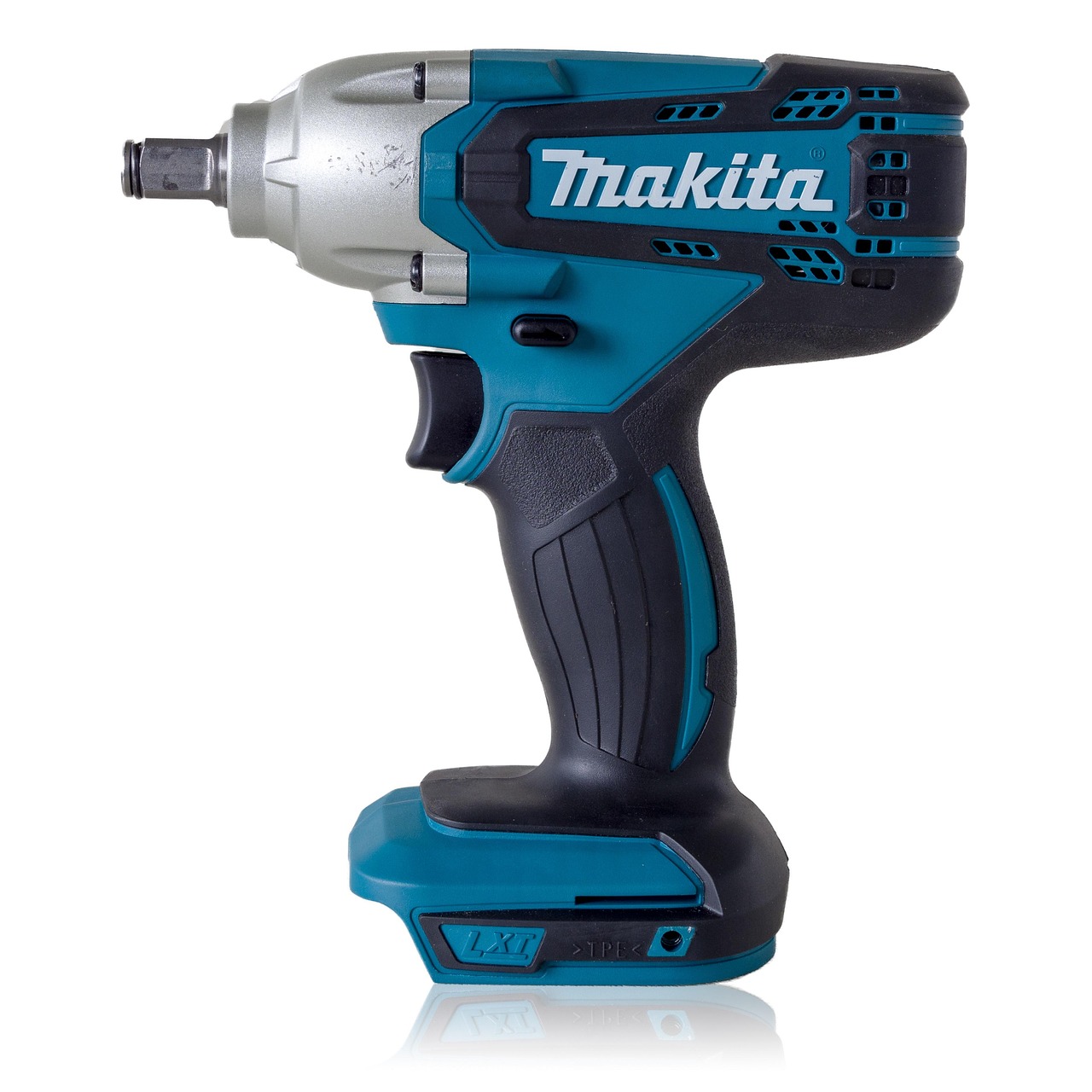
Most buyers start with one kit, then add a bare tool when the next job calls for it. That is why the battery platform matters more than one drill number on a box. LXT covers regular trade work such as drilling, fastening, cutting, lighting, dust extraction, and outdoor equipment. XGT is aimed at heavier cuts, larger saws, breakers, and high draw tools where the added power is useful on the job, not just on a label.
Brushless Motors and Heat Control
Brushless motors are common now in professional cordless tools, but the result still depends on the whole tool design. In a Makita impact driver, circular saw, or grinder, a brushless motor can help keep heat and battery use down during repeat work. That matters when you are cutting metal channel, driving structural screws, or trimming sheet goods and do not want to stop every few minutes.
A Tool Range That Covers Most Trades
A battery family should cover the work you do most, not just one task. A finish carpenter may need a drill, impact driver, trim router, multi tool, brad nailer, and vacuum. A hardware installer may look harder at impact wrenches, grinders, SDS hammers, and jobsite lights. Makita’s range is wide enough for many of these users, though stock and model choices can change by country and retailer.
Which Makita Battery Platform Should You Choose?
Choosing a Makita platform is where many buyers pause, and that is fair. Battery costs add up quickly. A bare tool may look like a good deal, then the cart fills with chargers, 5.0Ah packs, and another bag because the first one is already packed.
LXT for Broad Compatibility
For many contractors and advanced DIY buyers, 18V LXT is the safe place to start. Makita’s own FAQ states that LXT batteries work with LXT products, including 36V tools that use two 18V LXT batteries. It also lists common LXT battery sizes from 1.5Ah to 6.0Ah. In plain shop terms, you can run compact tools with small packs and use bigger packs for saws or grinders when runtime matters. (makitatools.com)
XGT for Heavy Cuts and High Load Tools
XGT makes more sense when the job keeps pushing a tool close to its limit. Think larger circular saws, rotary hammers, outdoor power equipment, and cutting work where a slow tool costs time. XGT batteries are not the same as LXT batteries, so do not buy into XGT only because it sounds stronger. Buy it when the work is heavy enough to justify another battery shelf.
CXT for Light Service Work
CXT is Makita’s smaller 12V max platform. It can be a good fit for service technicians, cabinet touch ups, light assembly, and work in tight spaces. It is not the right platform for ripping lumber all afternoon. That is fine, because a small driver that fits in a drawer or service van can still earn its keep when the work is light and repeatable.
Which Makita Tools Should a Starter Kit Include?
A useful starter kit should cover the jobs you meet every week, not the tools that look good on a display shelf. If the first five tools match your daily work, the system grows without much waste. If they do not, you can end up with three batteries and the wrong saw, and nobody likes paying for that lesson.
Driver Drill and Impact Driver
A driver drill and impact driver are still the main pair for most users. The drill handles holes, countersinks, and mixed materials. The impact driver handles screws, bolts, and fasteners that would wear out your wrist with a drill. For cabinet installs, deck repair, steel brackets, shelving, and general fixing, this pair usually earns its place before most specialty tools leave the box.
Circular Saw and Reciprocating Saw
A circular saw is often the first cutting tool worth adding. It handles lumber, plywood, trim stock, and site cuts without carrying every board back to a table saw. A reciprocating saw is rougher, but it is useful for demolition, pipe cuts, pallets, old fasteners, and framing cleanup. It is not a clean finish tool; it is the one you reach for when something is stuck and needs to be removed.
Grinder, Multi Tool, and Jobsite Light
A grinder is needed for metal hardware, masonry touch ups, rusted bolts, and cut off work. A multi tool reaches into corners, trims casing, cuts drywall, and helps with small repair problems that do not fit a larger saw. Add a jobsite light earlier than you think. Poor lighting slows down simple work and can turn a clean pencil mark into a bad cut.
- Start with two batteries if your work lasts more than a short evening session.
- Match blade, bit, and disc quality to the tool. Cheap accessories can make a good tool feel weak.
- Buy bare tools only after you know the platform fits your workflow.
What Should You Check Before Buying Makita Power Tools?
Price is only one part of buying power tools. Before you buy, check the battery, charger, warranty, service channel, accessories, and the materials you cut or fasten most often. A kit that looks cheap may not be cheap if the batteries are too small for your saw or the charger is slow.
Authentic Batteries and Chargers
Use genuine batteries and chargers from dealers you trust. Makita posts warnings about non genuine compatible batteries, and that warning should not be ignored. Lithium ion packs are not simple plastic boxes full of power. They depend on electronic communication, heat control, and charging limits, so a questionable pack may save money on day one and cause problems later.
Warranty Terms and Local Service
Warranty terms matter, especially for trade users who cannot leave a dead tool sitting for weeks. Makita USA’s service FAQ states that Makita lithium ion tools, batteries, and chargers are warranted against defects in workmanship and materials for three years from the original purchase date, with noted exclusions. Always check local terms before buying because coverage can differ by region and product type. (makitatools.com)
Materials, Accessories, and Fasteners
A tool is only half of the setup. Treated lumber, stainless hardware, masonry anchors, aluminum channel, and mild steel all need different bits, blades, discs, and speeds. If you install hinges and drawer slides, pay for accurate bits. If you cut steel, use proper cut off wheels and eye protection. The accessory choice often decides whether the tool runs smoothly or feels like it is working too hard. See also: Bolts & Fasteners.
How Can You Use Makita Tools More Safely?
Power tools are not dangerous because of the logo on the side. They become dangerous when the workpiece moves, the user rushes, the blade is wrong, the guard is removed, or the cord and battery setup is treated as an afterthought. Safety is not exciting, but it keeps jobs from turning into claims, delays, and hospital visits.
Guards, PPE, and Dust Control
Keep guards in place unless the manual gives a specific safe procedure. Use eye protection when cutting, drilling, grinding, or fastening overhead. Dust control matters as well. Wood dust, silica dust, and metal particles can cause trouble even when the job looks small. A vacuum attachment, mask, or cleaner cutting setup can also make the work easier to see.
Grounding and Double Insulated Tools
For corded electric tools, OSHA guidance says electric tools must protect users from shock and burns, and it commonly points to grounded or double insulated tool designs along with gloves and suitable safety footwear. Cordless tools remove the cord from the work area, but they do not remove the need for dry hands, clean contacts, and safe charging habits. Check the charger location too, especially on damp sites or crowded benches. (osha.gov)
Saw Injury Risks and Work Habits
Saws deserve extra care. In a 2017 Federal Register notice, the U.S. Consumer Product Safety Commission reported an estimated 33,400 table saw emergency department treated injuries in 2015, with staff estimating 30,800 likely linked to blade contact. The same notice discussed about 54,800 medically treated blade contact injuries annually. The lesson is plain: use guards, riving knives, push sticks, stable support, and a pace you can control. (thefederalregister.org)
When Are Makita Power Tools the Right Buy?
Makita is a good buy when you want a deep battery system, steady tool feel, and a professional range that can grow with your work. It is not always the lowest cost route. It is also not the only good route. The real question is whether Makita solves your work problems with fewer battery changes, fewer awkward grips, and fewer holes in the tool lineup.
Best Fit for Remodeling Crews
Remodeling crews move from framing to trim to drywall repair to hardware installation, sometimes before lunch. Makita LXT fits that mixed work well because the range is wide and the tools are easy enough to carry around a site. If a crew already owns LXT batteries, adding a bare multi tool, vacuum, or light can be a simple upgrade that gets used right away.
Best Fit for Metal and Hardware Work
For metal brackets, gate hardware, shelving, anchors, and repair work, Makita grinders, impact wrenches, hammer drills, and cut off tools are worth checking. Match torque and speed to the fastener size. Too much tool can snap hardware, while too little tool wastes time and rounds heads. In this kind of work, control matters as much as power.
Cases Where Another Setup Makes Sense
Another brand or a corded tool may make sense if you need a specialty tool Makita does not sell in your market. The same is true if your crew already owns a large battery fleet from another brand, or if the tool will stay on a bench all year. Makita Corporation reported sales revenue of 777.6 billion yen for the fiscal year ended March 31, 2026, so the company has scale, but scale alone does not choose the right tool for your shop. (makita.co.jp)
The buying path is not complicated: choose LXT for broad daily work, choose XGT for steady heavy loads, choose CXT for compact service tasks, and keep corded tools where nonstop bench power still wins. That mix may not look neat on a shelf, but it fits real work better.
FAQ
Q1: Are Makita Power Tools Good for Professional Contractors? A: Yes, Makita power tools are a good choice for many contractors, especially when the work needs a broad cordless range, steady handling, and reliable battery options. The best fit depends on the trade, runtime needs, and local service support.
Q2: Should You Buy Makita LXT or XGT First? A: Start with LXT if you need the widest everyday tool range. Choose XGT first if your main jobs involve heavy cutting, drilling, demolition, or outdoor equipment that benefits from higher power.
Q3: Are Makita Batteries Interchangeable Across All Platforms? A: No. LXT batteries work with LXT tools, XGT batteries work with XGT tools, and CXT batteries work with CXT tools. Check the tool platform before buying bare tools or spare batteries.
Q4: What Makita Tool Should You Buy First? A: A drill and impact driver combo is the usual first buy. Add a circular saw, reciprocating saw, grinder, or multi tool based on the materials you cut and fasten most often.
Q5: Are Makita Power Tools Worth the Price for DIY Users? A: They can be worth it for serious DIY users who work often and want one battery system to grow over time. For rare small repairs, a lower cost kit may be enough.


