
How Can You Choose Safe and Durable Hand Power Tools?
Why Do Hand Power Tools Matter in a Modern Workshop?
Hand power tools sit between basic hand tools and large shop machines. If you buy tools for a crew, a repair bench, or a project shop, the right set can save time on drilling, fastening, grinding, and sanding without making the work area unsafe. For more tool categories and material-focused picks, see the Tools & Power section at Irontheexpert.
Safety data is worth looking at before buying. The U.S. Consumer Product Safety Commission NEISS Data Highlights for Calendar Year 2023 estimated 119,798 U.S. emergency department injuries tied to workshop manual tools and 70,930 tied to power home workshop saws. That does not mean the tool itself is always the problem. In many cases, the issue is poor tool choice, worn accessories, missing guards, or work done in a rush.
Faster Repeated Work
A drill driver can make dozens of pilot holes without the wrist load of a manual brace. An impact driver can drive long screws into framing timber with less bit slip, so the worker spends less time fighting the fastener. On metal shelving, HVAC brackets, or cabinet hardware, that speed makes a real difference. A few minutes saved on each task can turn into hours over a week, especially when one person moves from drilling to fastening and then to light grinding.
Cleaner Results With Less Strain
Good tools do more than run fast. They hold speed better when loaded, which helps keep holes round, cuts straighter, and finishes more even. Less strain matters as well. A compact tool with a balanced handle may not look special in a catalog, but after 200 screws above shoulder height, that plain design starts to make sense.
Better Matching to Trade Tasks
Not every power tool belongs in every tool kit. A furniture installer usually needs control, clean edges, and tools that do not mark finished surfaces. A steel fabricator will care more about grinder power, wheel choice, and heat control. A maintenance team may get more value from a reliable cordless platform than from one expensive specialty tool, so it is better to start with the work and then choose the tool.
Which Hand Power Tools Should You Buy First?
A basic set should cover the jobs you repeat most. For many buyers, that means drilling, driving, cutting, grinding, and finishing. The point is not to buy every tool on the shelf. The point is to stop workers from using the wrong tool because the right one was never ordered.
Drill Driver for Holes and Fasteners
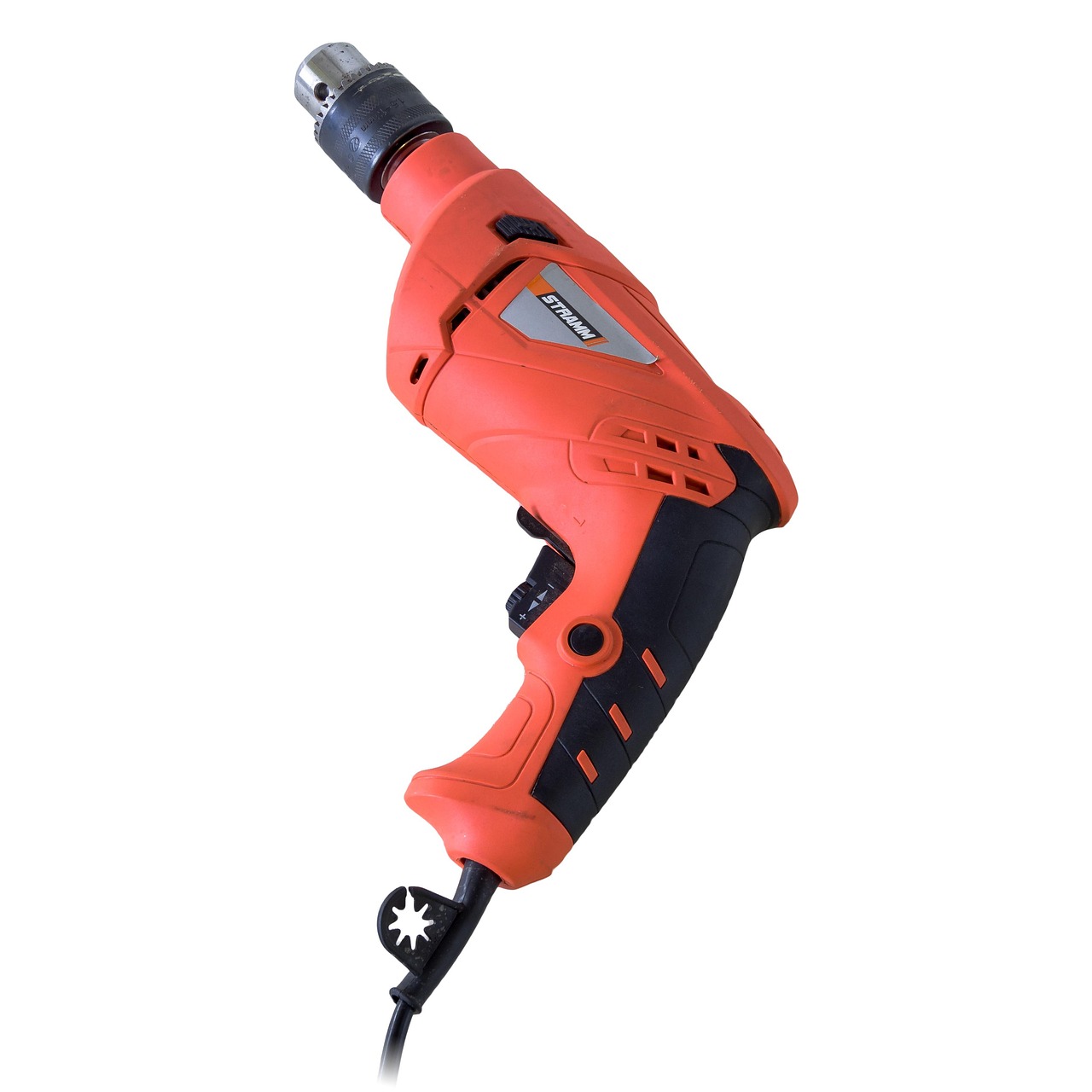
A drill driver is often the first power tool in the box. Choose one with a clutch, variable speed, and enough torque for the materials you handle every day. For wood, plastics, and light metal, a 12V or compact 18V model often feels better than a large tool that tires the hand. For steel brackets or larger hole saws, more torque and a side handle become more useful.
Impact Driver for Tough Screws and Bolts
An impact driver is not just a drill that makes more noise. It uses rotational blows to drive fasteners with less cam-out and less wrist twist. It works well for deck screws, lag bolts, anchors, and heavy assembly. Use impact-rated bits, because regular bits can crack, and that small detail saves money and avoids problems on site.
Grinder Saw and Sander for Cutting and Finishing
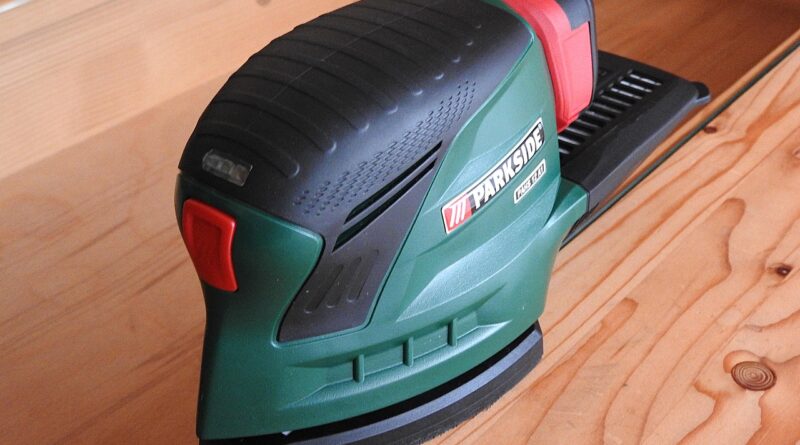
Cutting and finishing tools need more control from the user. A small angle grinder can cut, deburr, and clean welds, but the wheel and guard position have to match the job. A circular saw or jigsaw handles sheet goods and site cuts. A sander is used for paint prep, burr smoothing, and final surface work, so it should be bought with the right accessories instead of a random blade or disc added later.
Should You Choose Cordless or Corded Hand Power Tools?
Cordless tools are common because they are easy to carry, easy to share, and useful when the outlet is not close. Corded tools still make sense when runtime, steady load, or lower buying cost matters more than movement. The better choice depends on how long the tool runs and how far the job moves during the day.
Cordless Freedom for Mobile Jobs
Cordless tools work well on ladders, trucks, roofs, and crowded job sites. They remove extension cords, trip points, and the need to search for outlets. Battery packs also make planning easier for mobile repair teams. For a buyer, the hidden cost is the battery platform, because a cheap bare tool can become costly if it needs a new charger and extra packs.
Corded Power for Long Runtime
Corded grinders, saws, and rotary hammers still deserve space in many shops. When a worker cuts steel for hours or drills concrete all morning, a corded tool avoids battery rotation and heat from repeated charging. It also gives steady power. The cord still needs attention, because damaged insulation, weak plugs, and tangled extensions can cause trouble fast.
Battery Platform and Charger Planning
Lithium-ion packs need proper handling. The U.S. CPSC high-energy density battery safety work points to hazards such as overheating, thermal burns, fire, and explosions when battery systems fail or are misused. For power tool buying, the rule is simple: use batteries and chargers as the maker specifies, do not use damaged packs, and store spares away from heat and metal debris. This is not a place to mix parts just because the connector looks close enough.
What Safety Details Should You Check Before Use?
Safety is not just a label on the case. It is the check made before the trigger is pulled. OSHA 29 CFR 1926.300 says all hand and power tools, whether supplied by the employer or employee, must be kept in safe condition. That wording is plain, and it applies to a large job site as much as it does to a small repair bench.
Guards Switches and PPE
Check guards, handles, switches, and locking buttons before each shift. OSHA guidance on hand and power tools also states that workers exposed to flying, abrasive, splashing, dust, fume, mist, vapor, or gas hazards need suitable personal protective equipment. For a grinder, that may mean eye and face protection. For overhead drilling, it may mean eye protection and dust control, while gloves need careful judgment around rotating parts.
Noise Dust and Vibration Control
Noise is easy to ignore until hearing starts to suffer. CDC and NIOSH state a recommended exposure limit of 85 dBA averaged over an eight-hour workday, and for each 3 dBA increase, recommended exposure time is cut in half. Many power tools can pass that level in normal use. Add hearing protection, dust extraction, and rest breaks for high-vibration tools, because hands and ears are part of the work system too.
Battery Charging and Storage Care
Charge packs on a clean, dry surface. Keep them away from grinding sparks and loose fasteners that can bridge terminals. Do not use swollen, cracked, wet, or hot packs. If a battery smells odd or vents, move people away and follow local fire guidance. There is no reliable public data proving off-brand packs are always unsafe, but there is also no good reason to risk a pack with unknown cells and unclear certification. See also: Bolts & Fasteners.
How Can You Judge Quality Before Bulk or Project Buying?
Quality shows up in small details: chuck runout, trigger feel, gear noise, housing seams, brushless motor control, and spare part support. For trade buyers, the lowest unit price can become expensive if tools fail during a deadline. A tool that lasts two busy seasons is often cheaper than a bargain tool that gets replaced three times.
Motor Gearbox and Housing Build
A good motor should start smoothly and hold speed under normal load without a burnt smell. The gearbox should not sound like loose gravel. Housings need tight seams, rubber overmold where hands grip, and vents that do not pull metal chips straight into the motor. For dusty work, serviceable filters or sealed switches can be worth the extra cost.
Torque Speed and Accessory Fit
Match torque and speed to the job instead of chasing the highest number. High RPM helps with small bits and sanding, while higher torque helps with large fasteners and hole saws. For controlled assembly, torque accuracy can matter more than raw force. NIST torque research gives a useful scale example: tiny screwdriver settings for electronics can be around 0.01 N·m, while a sports car engine may produce about 300 N·m. The point is simple. The number must fit the task.
Certification Warranty and Spare Parts
Look for recognized safety marks and clear documents. UL Solutions lists UL 62841-1 as the replacement for UL 60745-1 for new electric motor-operated hand-held tool certifications from February 21, 2018. For buying checks, ask for manuals, warranty terms, exploded parts diagrams, and accessory standards. A serious supplier should be able to answer these points without making the process hard.
- Check whether the tool body, charger, and battery share the same approved system.
- Confirm common wear parts such as brushes, guards, chucks, switches, and collets.
- Ask for packaging that protects tools during warehouse handling and export shipping.
How Should You Maintain Hand Power Tools for Long Service?
Maintenance is not complicated. Most of it is cleaning, checking, replacing worn parts, and storing tools as equipment with value. A clean tool runs cooler, grips accessories better, and causes fewer surprises. For a warehouse or crew, a short checklist works better than memory.
Daily Cleaning and Visual Checks
After use, wipe dust from vents, handles, triggers, and battery rails. Blow out dust only when the manufacturer allows it, and do not push debris deeper into bearings. Look for cracked housings, bent guards, loose screws, worn cords, damaged plugs, and sticky switches. Tag any doubtful tool before another worker picks it up.
Bit Blade and Abrasive Replacement
Dull accessories make good tools feel weak. They also add heat and raise kickback risk. Replace drill bits that squeal, saw blades with missing teeth, sanding discs that clog, and grinding wheels that are no longer in safe condition. Store accessories by size and material use, because a metal-cutting wheel mixed with wood blades can lead to the wrong setup.
Storage Labeling and Inspection Records
Store tools dry, off the floor, and away from cutting fluids unless the case is made for that setting. Label shared tools by department or crew so missing tools and damage are easier to track. For commercial buyers, basic inspection records help show failure patterns and plan replacement. If three grinders fail at the same station, the cause may be dust, overload, or the wrong wheel, not bad luck.
FAQ
Q1: What Are the Most Useful Hand Power Tools for Beginners? A: Start with a drill driver, impact driver, angle grinder, circular saw or jigsaw, and sander. Add specialty tools only when the work calls for them often.
Q2: Are Cordless Hand Power Tools Better Than Corded Tools? A: Cordless tools are better for mobile work and quick jobs. Corded tools are better for long runtime, heavy cutting, and steady shop use.
Q3: How Often Should Power Tools Be Inspected? A: Shared job-site tools should get a quick visual check before use and a more formal inspection on a set schedule. High-use tools may need weekly checks.
Q4: What Safety Gear Should You Use With Power Tools? A: Match gear to the hazard. Eye protection is common, hearing protection is needed for noisy tools, and dust control matters for cutting, sanding, and grinding.
Q5: What Should You Check Before Buying Tools in Bulk? A: Check certification, warranty, spare parts, battery compatibility, packaging, accessory fit, and supplier response time. A sample test before a full order is a practical step.


