
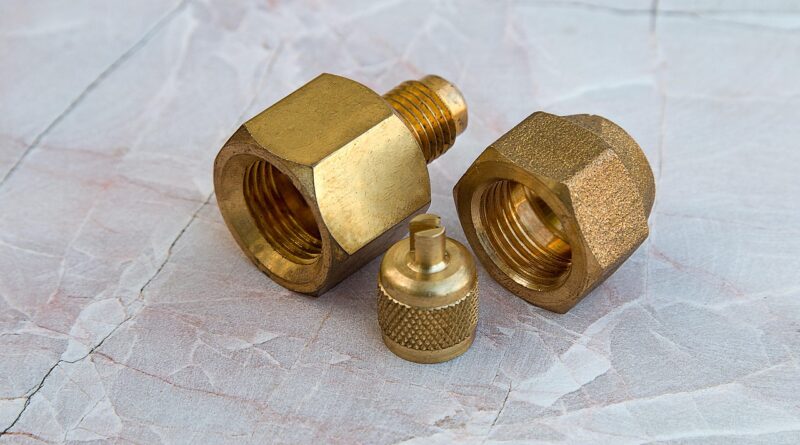
How Do You Choose Fittings and Valves That Do Not Fail Under Pressure?
Why Do Fittings and Valves Matter So Much in Real Jobs?
Choosing fittings and valves is not a small item on the purchase list. These parts decide how a line turns, branches, seals, drains, shuts off, and holds pressure. A pump may take most of the budget, but one bad elbow, cracked coupling, or loose valve seat can stop the job before the team even finishes the morning work.
The aim is simple. You need the right part, in the right material, made to the right standard, and packed well enough to arrive clean and ready for use. Buyers in plumbing, HVAC, irrigation, fire protection, and factory maintenance know this already. Small details on fittings and valves can turn into real cost when they are missed.
Small Parts Carry System Risk
Fittings guide the pipe layout. Valves control the media. If either part is wrong, the system may leak, lose flow, make noise, or need repair too early. EPA WaterSense reported in its 2026 Statistics and Facts page that household leaks in the United States waste nearly 900 billion gallons of water each year, equal to the annual household water use of nearly 11 million homes. That number comes from homes, not from every industrial site, but the point is still useful for buyers. Small leaks do not stay small when they run every day.
Pressure Ratings Are Not Decoration
A pressure class on a valve or fitting is not there just to make the catalog look complete. It must match the working pressure, temperature, and fluid in the line. Hot water, compressed air, steam, oils, and chemicals all put different loads on seals and bodies. A Class 150 flange, a 3000 psi forged fitting, and a light-duty plumbing adapter are not the same item, even if the thread looks close at first glance.
Good Selection Reduces Site Rework
Rework takes time from the crew and usually costs more than expected. A technician may need to drain the line, clean the threads again, replace gaskets, or cut pipe. On export orders, the problem can get worse because the wrong item may sit in a warehouse for weeks before anyone has a good answer. A clear drawing, a proper specification, and a sample check can save a lot of trouble. It is plain work, but it is the kind of work that keeps a project moving.
Which Fittings Should You Choose for Each Pipe Layout?
Fittings shape the pipe route and help the system fit the building, machine, or field layout. Start with the job the fitting needs to do. Then check the connection type, size, pressure class, material, and standard. Do not start with price only. A low-cost fitting in the wrong place will not stay low-cost for long.
Elbows and Tees for Direction Changes
Elbows turn the line by 45 degrees or 90 degrees. Tees split the flow into a branch. In water and air lines, these are common items used on many jobs. In higher-pressure or high-flow systems, the inside shape matters because sharp turns can cause pressure drop and turbulence. For welded steel lines, long-radius elbows are often used where smoother flow is needed. For threaded plumbing lines, clean threads and correct wall thickness matter more than a bright surface finish.
Couplings and Unions for Service Access
Couplings join two pipe ends. Unions do the same basic job, but they allow easier removal later. If a pump, filter, meter, or valve may need service, a union near that item can save a lot of wrench time. It is a small layout choice on the drawing, but the service team will notice it when repair day comes.
Reducers and Adapters for Size Changes
Reducers connect different pipe sizes. Adapters connect different end types, such as male to female thread, thread to hose, or pipe to tube. Use them with care. Too many adapters in one line add more leak points and make the installation look patched together. If the design needs several changes, it may be better to revise the pipe route or ask for a custom assembly.
Which Valves Fit Common Flow Control Needs?
Valves can look alike from a distance, but they do not work the same way. Some are made for quick shutoff. Some are better for flow control. Some protect the line from reverse flow. If the wrong valve type is used, the line may still run, but it may be hard to adjust, noisy, or quick to wear out.
Ball Valves for Fast Shutoff
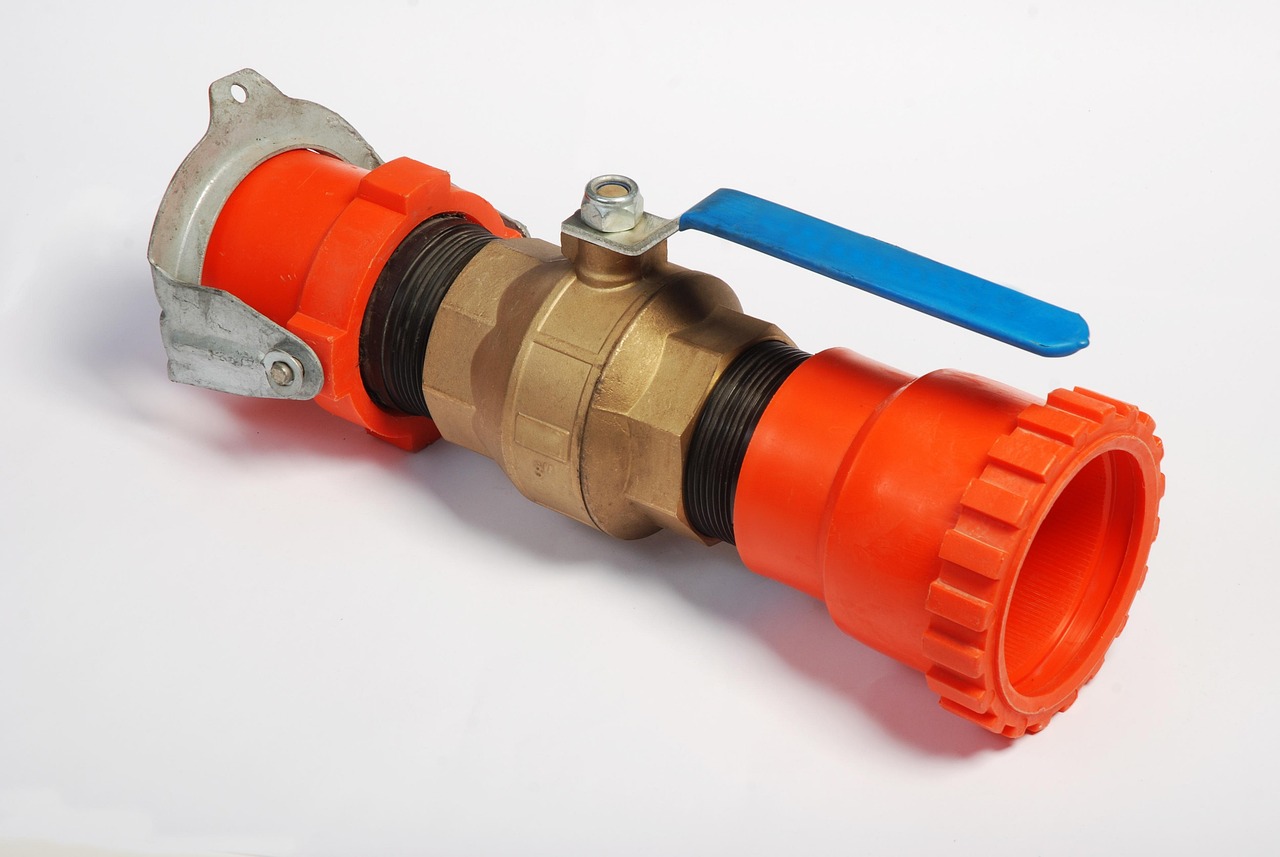
Ball valves are widely used because they open and close quickly with a quarter turn. They are common in water, gas, air, and general utility service. A full-port ball valve keeps the flow path close to the pipe bore, so it helps reduce restriction. A reduced-port version may cost less and still do the job for simple shutoff. For frequent operation, check the stem seal, handle strength, and seat material before you approve the order.
Gate and Globe Valves for Process Control
Gate valves are usually used for on-off service, especially in larger water and industrial lines. They are not a good choice for throttling because a partly open gate can vibrate and wear. Globe valves work better when the flow needs to be adjusted, although they create more pressure drop. This is a normal tradeoff. In a small boiler room or factory utility skid, that tradeoff can matter more than the first purchase price.
Check Valves for Backflow Protection
Check valves allow flow in one direction and help stop reverse flow. Swing check valves, spring check valves, and lift check valves all have their own use. The right choice depends on flow rate, mounting position, and how often the line starts and stops. A check valve with the wrong cracking pressure can chatter, and that sound is never welcome on a quiet jobsite.
How Should Material Match Fluid, Pressure, and Temperature?
Material choice affects strength, corrosion resistance, sealing life, and cost. There is no single best material for all fittings and valves. A part that works well in cold potable water may fail fast in seawater, steam, acidic cleaning liquid, or outdoor irrigation with fertilizer exposure.
Carbon Steel for High Strength Lines
Carbon steel is widely used in industrial piping because it gives strong performance at a practical cost. It fits many oil, gas, fire protection, and general process lines. The main weakness is corrosion when the surface, coating, or fluid condition is poor. For outdoor storage, caps, oiling, and dry packaging matter. Rust on threads or sealing faces is not just a surface problem. It can affect sealing and installation.
Stainless Steel for Corrosive Media
Stainless steel fittings and valves suit many corrosive or hygienic services. Grades such as 304 and 316 are common, and 316 is often chosen when better chloride resistance is needed. Even so, stainless is not a cure for every site. Chlorides, high heat, and poor cleaning can still cause pitting or crevice corrosion. For food, chemical, and marine-adjacent work, ask for the exact grade and material test report. Do not accept only the word stainless on the offer sheet.
Brass and Bronze for Water and Air
Brass and bronze are still common in plumbing, air lines, and light industrial service. They machine well, seal well, and handle many water applications. For potable water, lead-content rules may apply in the destination market, so the buyer should state the required compliance before production. For seawater or buried service, bronze may perform better than ordinary brass. The final choice still depends on the alloy and the site condition. See also: Bolts & Fasteners.
What Standards and Tests Should a Buyer Ask For?
Standards help buyers compare parts without guessing. They cover dimensions, pressure-temperature ratings, materials, testing, marking, and sometimes face-to-face lengths. A supplier should be able to tell you which standard is used for the product. If the answer is not clear, slow down before you place the order.
ASME B16 Dimensions and Pressure Classes
ASME describes its B16 committee as covering valves, flanges, pipe fittings, gaskets, and valve actuators for pressure service. That is why ASME B16 standards are often seen in international trade for flanges, butt-weld fittings, threaded fittings, and valves. A drawing that only says 2 inch steel flange is not enough. A proper inquiry should state the ASME or EN standard, pressure class, face type, bore, material, and gasket need. This avoids many back-and-forth emails before production.
ISO 5208 Pressure Testing for Metallic Valves
ISO 5208:2015 specifies examinations and tests for industrial metallic valves, including pressure boundary integrity and valve closure tightness. In simple terms, it gives a known way to test whether a valve body and closure hold as required. It does not replace every project rule, but it is a useful reference when you need test wording in a purchase order. For export orders, having this written down helps both the buyer and the factory check the same requirement.
Traceable Materials and Clear Marking
Marking should be readable and consistent. Common marks may include size, material grade, pressure class, heat number, standard, flow direction, and manufacturer mark. For critical orders, ask for a material test report and inspection photos. Public sources rarely give one universal failure rate for generic fittings and valves because service conditions vary a lot. Treat any single failure percentage with care unless the source, product group, and test method are clear.
How Can You Buy Fittings and Valves With Fewer Site Problems?
Good buying is part engineering, part paperwork, and part site experience. The supplier needs enough detail to quote the right product. The buyer needs enough proof to accept it. This matters even more for overseas purchasing, where replacement parts may not arrive quickly.
A Complete Specification Before Quotation
A good inquiry can be short, but it still needs the key details. It should include medium, working pressure, temperature, size, connection, standard, material, quantity, certificate needs, and packing request. For valves, add the operation type, such as lever, gear, handwheel, actuator, or lockable handle. If the line handles gas, steam, fuel, or chemicals, name the medium clearly. Do not write water if the real service is hot glycol. That small mistake can lead to the wrong seal material and a rejected shipment.
Practical Inspection Before Shipment
Inspection does not need to be complicated. It does need to be real. Check quantity, dimensions, thread gauge where needed, coating, sealing faces, handle movement, markings, and package labels. For valves, ask for pressure test records when the application requires them. A short pre-shipment checklist can prevent a lot of trouble at the warehouse or jobsite.
- Size, standard, and pressure class match the purchase order.
- Threads, flanges, or weld ends are clean and protected.
- Valve operation feels smooth, with no loose handle or stem damage.
- Cartons, pallets, and labels suit the shipping route.
Spare Parts and Packaging That Travel Well
Long shipping routes are hard on weak packaging. Thread protectors, flange covers, inner bags, dry cartons, and strong pallets are not extras for many export jobs. For valves with rubber seats or soft seals, avoid storage near heat or oil mist. Add spare gaskets, seats, handles, or bolts when the project location is remote. One missing gasket can hold up a whole section of pipe. It sounds small, but it happens often enough in real projects.
FAQ
Q1: What Is the Main Difference Between Fittings and Valves? A: Fittings connect, change direction, branch, or adapt pipe. Valves control flow by opening, closing, throttling, or preventing backflow. Both parts work together in a piping system.
Q2: Which Valve Is Best for Simple Shutoff? A: A ball valve is often the best choice for fast shutoff in water, air, gas, and many general service lines. Always match the seat material, pressure rating, and connection type to the job.
Q3: Should You Choose Threaded, Flanged, or Welded Fittings? A: Threaded fittings suit smaller lines and service access. Flanged fittings suit larger equipment connections and easier removal. Welded fittings suit permanent, high-strength piping where leak risk must be low.
Q4: Why Do Standards Matter When Buying Fittings and Valves? A: Standards give shared rules for size, pressure class, testing, marking, and materials. They help the buyer, supplier, installer, and inspector use the same technical language.
Q5: What Information Should You Send for a Fast and Accurate Quote? A: Send size, material, connection, standard, pressure class, medium, temperature, quantity, certificate needs, and packaging request. For valves, add operation type and flow control purpose.


