
How Do Hand and Power Tools Help You Work Faster and Safer?
Why Do Hand and Power Tools Still Matter on Modern Jobsites?
Reliable hand and power tools still make a clear difference in how clean, safe, and fast a job gets done. One crew may be fixing cabinet hardware, cutting steel channel, drilling anchors, or fitting plumbing clips in a tight corner. The tool being used affects finish quality, wrist strain, rework, and in some cases the daily schedule. This guide stays with buying and use points that matter on site, not shelf claims.
Control, Speed, and Repeatable Results
Hand tools give the worker more feel through the hand. A well-shaped screwdriver, box wrench, file, clamp, or aviation snip lets the user control pressure without guessing. Power tools bring speed and repeat work when the same task has to be done many times. A cordless drill can set dozens of fasteners before lunch, while a manual driver may still be the safer choice for the last turn on soft brass hardware. The right choice is not always the newest or loudest tool. It is the tool that gives enough force without marking or damaging the material.
Safety Rules That Start Before Use
OSHA rules for construction state that all hand and power tools, whether supplied by an employer or a worker, must be kept in safe condition. OSHA general industry rules also put responsibility on employers for the safe condition of tools and equipment used by employees. Source: OSHA 29 CFR 1926.300 and 29 CFR 1910.242, reviewed in 2026. In day-to-day work, that means cracked handles, missing guards, loose cords, weak batteries, and mushroomed chisel heads cannot be treated as small issues. They are signs that the tool should be repaired, replaced, or taken out of use.
Better Work Quality with Less Rework
Low-cost tools may look acceptable until the fit and tolerance matter. A sloppy adjustable wrench rounds nuts, a poor bit walks on stainless sheet, and a weak clamp lets the workpiece move before the cut is finished. Better hand and power tools help reduce these small mistakes. On a busy install, that can mean fewer stripped fasteners, fewer scratched panels, and fewer uncomfortable repair talks with the customer.
Which Hand Tools Should You Keep in a Core Kit?
A core kit should cover measuring, gripping, fastening, cutting, and striking. It does not need to be oversized. A packed toolbox often slows the work because the right item is harder to find. A better setup is to carry dependable tools used every week, then add trade-specific items when the job calls for them.
Measuring and Marking Tools
A 25 ft tape measure, combination square, torpedo level, center punch, chalk line, and permanent marker cover many layout jobs. For metalwork, add a scriber and feeler gauge. For cabinet or trim work, keep a sharp pencil and marking knife nearby. Measurements go wrong when the scale is hard to read, the hook is loose, or the blade bends too much during use. Spend money on these basics before buying another tool that rarely leaves the box.
Gripping and Fastening Tools
Pliers, locking pliers, adjustable wrenches, ratchets, sockets, hex keys, and screwdrivers are the daily backbone for most crews. Choose handles that still feel safe when hands are oily, wet, or cold. For screws, fit matters more than raw force. A correct Phillips, Pozidriv, Torx, or hex bit seats deeper and slips less under pressure. One habit saves time: replace rounded bits before they become a problem. A bit costs little, but a damaged fastener can take half an hour to remove.
Cutting and Striking Tools
Utility knives, hacksaws, aviation snips, cold chisels, files, claw hammers, ball-peen hammers, and dead-blow mallets all have their place in a working kit. Match the tool to the material instead of forcing it through the job. Tin snips are not rebar cutters, and a carpenter hammer is not the best tool for metal pins. OSHA notes that special hand tools for placing and removing material should let workers avoid putting hands in danger zones near point-of-operation hazards. Source: OSHA machine guarding guidance, reviewed in 2026. That point is simple enough: keep hands away from the line of action when the tool or machine can bite.
Which Power Tools Give the Best Value for Daily Work?
Power tools should earn the space they take in a kit or van. If a tool saves time, improves repeat work, or reduces strain, it has a business case. If it only looks neat in a case, it may just be tying up cash. For many buyers, value comes from a shared battery platform, practical safety features, and accessories that are easy to source.
Cordless Drills and Impact Drivers
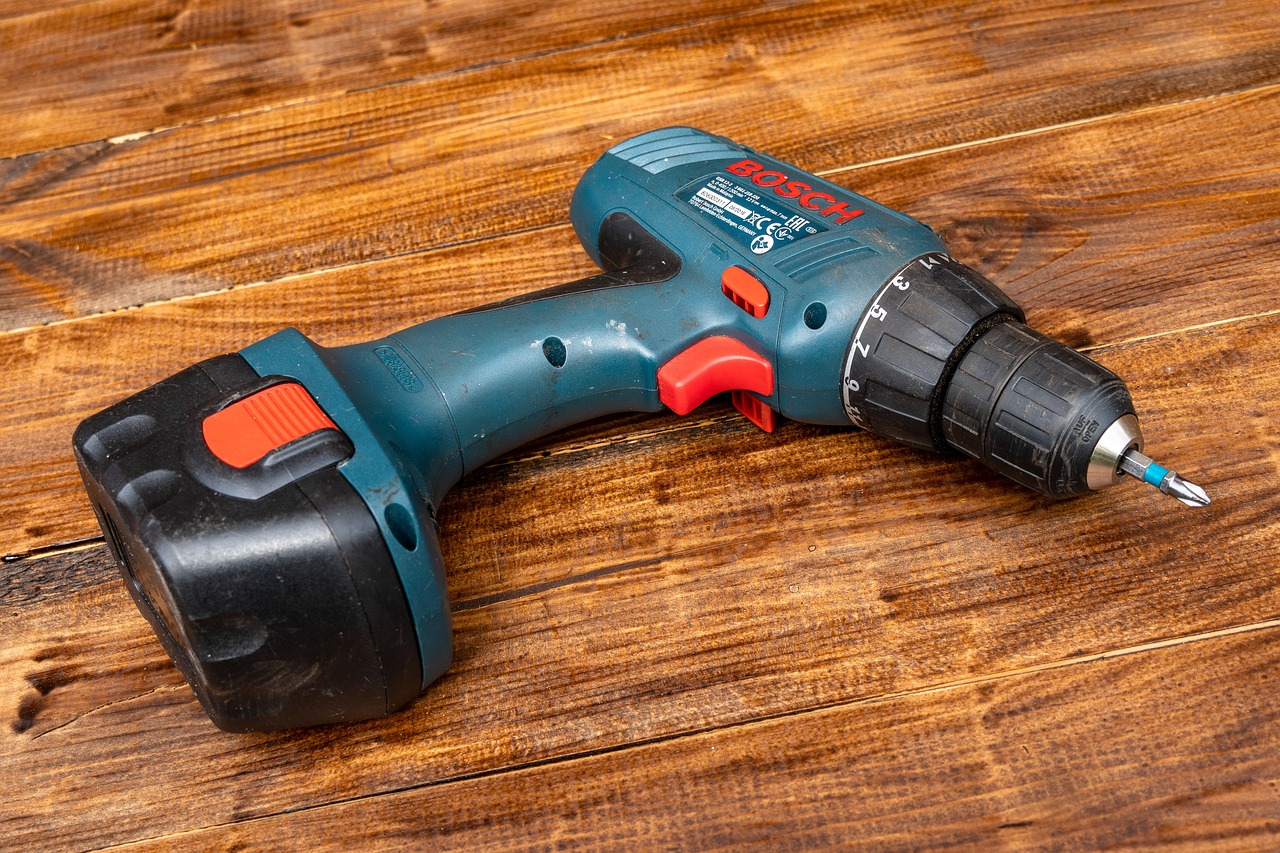
A drill driver and impact driver pair can handle pilot holes, screws, small hole saws, anchors, and light assembly. Look for a brushless motor, smooth clutch, clear work light, and battery gauges that are easy to read. For metal drilling, slower speed and sharp bits matter more than brute power. Use cutting fluid when the material needs it, and let the bit cut at its own pace. Pushing too hard only heats the edge and drains the battery.
Saws, Grinders, and Rotary Tools
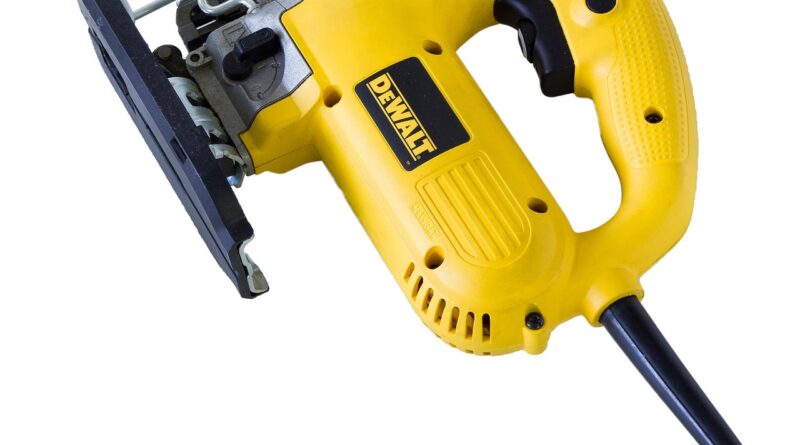
Circular saws, reciprocating saws, jigsaws, oscillating tools, and angle grinders each solve different site problems. The guard is part of the tool, not something to remove after unpacking. OSHA portable powered tool rules require guards on many circular saws and cover switches or controls for certain hand-held powered tools. Source: OSHA 29 CFR 1910.243, reviewed in 2026. If a guard sticks or a switch feels wrong, stop using the tool until it is fixed. It is faster to deal with the fault early than to explain an injury or a ruined part later.
Battery Platforms and Jobsite Charging
Battery tools are easy to move around, but the platform decision affects later buying. A shop that stays with one voltage family can share chargers and packs with less waste. Check amp-hour needs based on the work, not only on price. A compact 2.0 Ah pack feels better overhead, while a 5.0 Ah pack runs longer on drilling or grinding. Store batteries away from metal chips and standing water. It sounds basic, but battery contacts often collect small metal pieces from the bottom of a tool bag.
How Can You Choose Safer Tools Without Slowing the Job?
Safety should not feel like a separate job added on top of the work. The right tool, a quick check, and the correct accessory often make the task faster as well. A safer tool usually cuts cleaner, grips better, and fails less often. Buyers should compare safety features with the same attention they give torque, blade speed, and battery size.
Guards, Switches, and Visible Damage
Before use, check the guard, trigger, cord, battery latch, chuck, blade, bit, and housing. A circular saw lower guard should return without sticking, and an angle grinder guard should be tight and set between the user and the wheel path. OSHA construction rules say power-operated tools designed for guards must have those guards when used. Source: OSHA 29 CFR 1926.300, reviewed in 2026. No delivery date or site deadline is worth running a tool with a missing guard.
Dust, Noise, and Vibration Limits
Power tools bring dust, noise, and vibration into the work area. NIOSH says engineering controls, work practices, medical surveillance, and personal protective equipment can help reduce risk from vibrating hand tools; it also recommends tool redesign to lower hand-arm vibration. Source: NIOSH vibration syndrome guidance, reviewed in 2026. Pick lower-vibration tools when the same task is repeated all day. A small handle design change can feel minor in the store but make a real difference after 200 holes.
PPE That Matches the Actual Hazard
Eye protection is not optional when chips, sparks, or dust can fly. Add hearing protection for loud saws, grinders, and impact work. Use gloves with care near rotating parts because loose gloves can catch and pull the hand in. Match the PPE to the job instead of copying the same setup every time. When cutting masonry, respiratory protection and dust control may matter more than a thicker glove. See also: Bolts & Fasteners.
What Do Public Injury Numbers Say About Tool Risk?
Public data does not tell a buyer which exact tool to order. It does show where risk often sits. Common workshop tools cause enough injuries that selection, inspection, training, and storage deserve real attention in purchasing and daily use.
CPSC Workshop Injury Estimates
The U.S. Consumer Product Safety Commission 2023 NEISS Data Highlights estimated 119,798 emergency department-treated injuries linked to workshop manual tools, 70,930 linked to power home workshop saws, and 27,582 linked to power home tools excluding saws. These are national estimates from a probability sample of U.S. hospital emergency departments, not raw incident counts. Source: CPSC NEISS Data Highlights, calendar year 2023. The figures are still useful because they remind buyers not to ignore ordinary tools used every day.
Workplace Injury Reporting Context
The U.S. Department of Labor announced on December 12, 2024 that OSHA released detailed 2023 case data covering more than 890,000 workplace injuries and illnesses from over 91,000 workplaces. The same department reported that private industry employers had 2.6 million nonfatal workplace injuries and illnesses in 2023, down 8.4% from 2022, based on Bureau of Labor Statistics data. These figures cover much more than tool injuries, but they explain why equipment condition and safe work habits stay on purchasing checklists. For a buyer, the message is not complicated: cheap downtime and injury risk are still costs.
Practical Buying Conclusion from the Data
Manual tools and saws both appear in large injury estimate groups, so hand tools should not be treated as automatically safe and power tools should not be treated as automatically dangerous. A dull knife, cracked hammer handle, or wrong wrench can injure a worker as quickly as a saw. Buy tools with clear guards, firm grips, readable markings, and parts support that can be reached without trouble. Then set a simple inspection routine. Five minutes at the bench can prevent a very bad afternoon.
How Should You Maintain and Store Tools for Longer Life?
Tool life is not only about the brand name stamped on the case. Storage, cleaning, and small repairs decide whether a tool lasts one season or several years. A tidy toolbox also keeps work moving because the correct item can be found before the job gets messy.
Cleaning After Dusty or Wet Work
Wipe tools after wet, dusty, or corrosive jobs. Dry hand tools before putting them away, especially when they have been used around water, concrete dust, or metal filings. Blow dust from vents only where it is safe and allowed, and do not use compressed air carelessly around chips or eyes. OSHA general industry rules limit compressed air used for cleaning to less than 30 psi and require effective chip guarding and PPE when used for that purpose. Source: OSHA 29 CFR 1910.242, reviewed in 2026.
Sharpening, Calibration, and Wear Checks
Sharp tools are safer because they need less force from the user. Keep blades, bits, chisels, punches, and cutting wheels in usable condition. Check measuring tools against a known reference from time to time. For torque tools, follow the maker’s calibration interval, especially in mechanical assembly. A wrench that is far out of range can leave fasteners loose or stretch bolts, and neither problem looks good when the job is checked later.
Storage That Prevents Tool Damage
Use cases, racks, foam inserts, or bins that keep sharp edges away from cords and batteries. Keep cutting wheels dry and flat, and store files so the teeth do not rub together. Hang long levels where they will not bend. Do not let heavy tools crush small precision items in the same drawer. Good storage may feel boring, but it is one of the cheapest ways to protect a tool budget.
FAQ
Q1: What Are the Most Essential Hand and Power Tools for a Starter Kit? A: Start with a tape measure, level, screwdrivers, pliers, adjustable wrench, socket set, hammer, utility knife, drill driver, impact driver, and a saw that fits your main material. Add specialty tools only after the work calls for them.
Q2: Are Expensive Tools Always Better? A: Not always. A higher price often brings better motors, grips, guards, batteries, or service parts, but the best tool is still the one that fits the task and is used the right way. For occasional work, mid-range tools can be enough.
Q3: How Often Should You Inspect Tools? A: Give tools a quick look before each use and do a deeper check on a set schedule, such as weekly for busy crews. Look for cracked handles, loose guards, damaged cords, swollen batteries, worn bits, and dull cutting edges.
Q4: What Is the Biggest Mistake When Using Power Tools? A: The common mistake is forcing the tool. Wrong blades, dull bits, missing guards, poor clamping, and rushed cuts all raise risk. Let the accessory do the work and keep the workpiece stable.
Q5: How Can You Make Tools Last Longer? A: Clean them after dirty work, store them dry, replace worn accessories early, charge batteries correctly, and keep guards and moving parts in good shape. Small habits make a clear difference over a year of regular use.


