
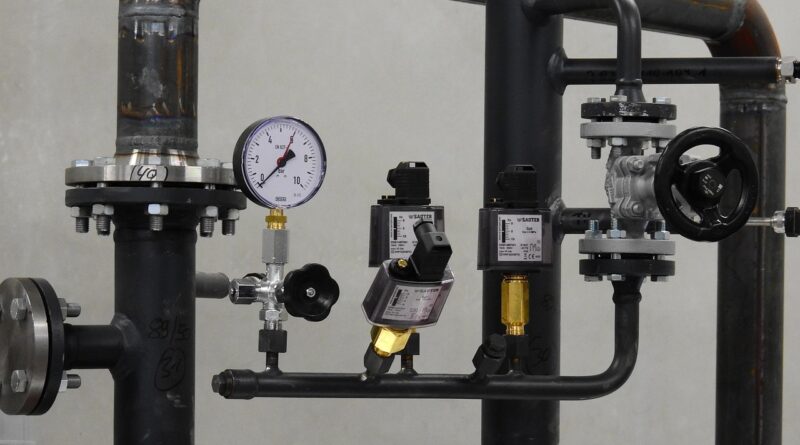
Pipe fittings explained by type, material, connection and standard
What pipe fittings do in a piping system
Pipe fittings connect pipe runs, change direction, reduce or expand size, branch flow, close a line, or provide access for maintenance. Selecting them is not just a matter of matching diameter. A suitable fitting must match the pipe material, connection method, pressure-temperature condition, fluid chemistry, installation environment, and applicable code.
In practice, many fitting problems start when dimensional standards, material specifications, and joining methods are treated as interchangeable. They are not. A butt-weld elbow, a threaded coupling, a grooved tee, and an electrofusion fitting may all connect pipe, but each belongs to a different design and installation approach.
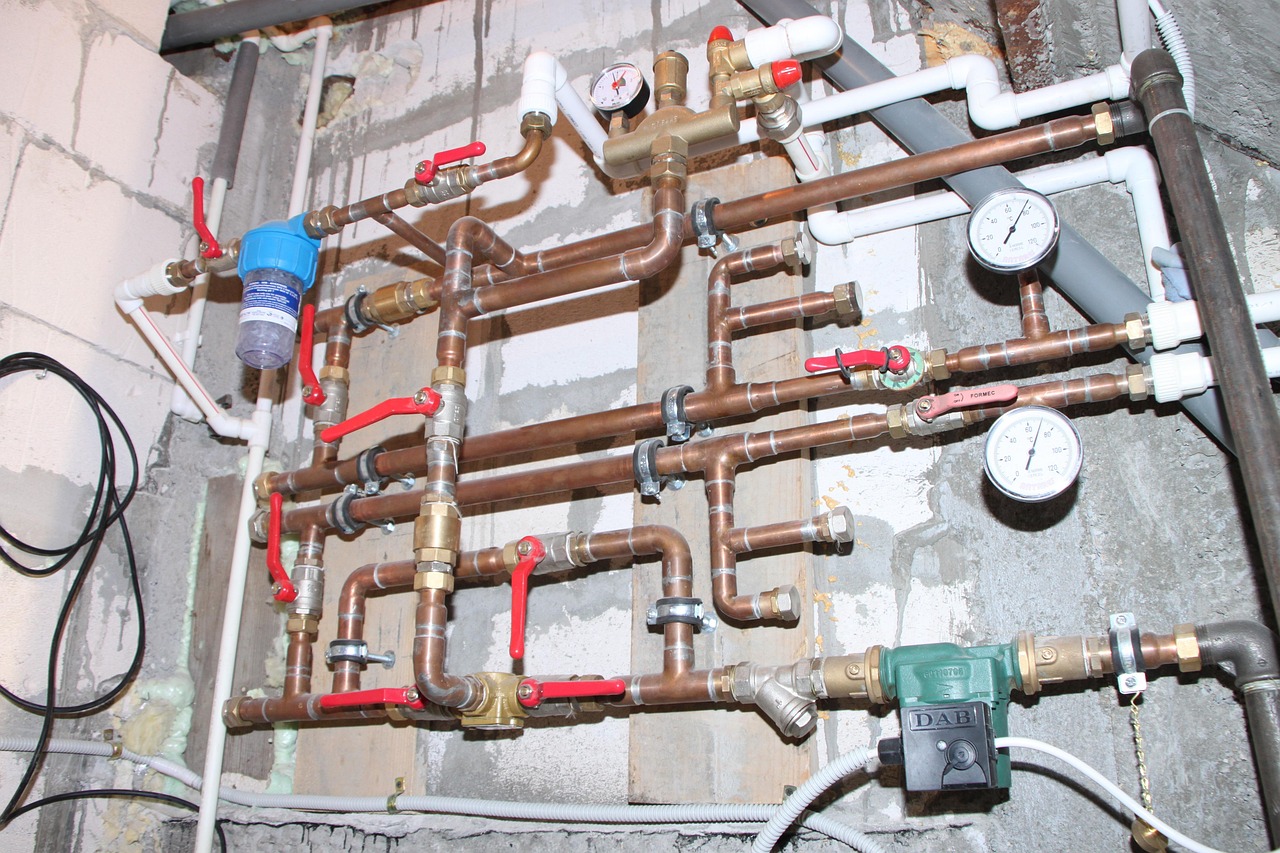
For readers comparing fittings and valves in the same system, the broader Fittings & Valves category is the right place to keep related component decisions together. This article focuses on the fitting side: what common types do, how connection choices affect reliability, and which standard references commonly appear in specifications.
Main types of pipe fittings by function
The most practical way to understand pipe fittings is by function. A fitting should solve a defined piping task with the least unnecessary pressure loss, installation risk, and maintenance burden. The names below are widely used across industrial piping, building services, water distribution, and process systems, although dimensions and acceptable materials depend on the project specification.
| Fitting type | Main function | Typical selection concern |
|---|---|---|
| Elbow | Changes direction, commonly 45 degrees or 90 degrees | Radius, pressure drop, space, and weld or thread access |
| Tee | Creates a branch from the main run | Equal or reducing branch size, reinforcement, and flow disturbance |
| Reducer | Changes pipe size | Concentric or eccentric shape, drainage, pump suction, and air pocket control |
| Coupling | Joins two pipe ends in a straight line | Threaded, compression, grooved, socket, or plastic fusion compatibility |
| Union | Allows disassembly without cutting pipe | Seal type, access space, and pressure rating |
| Cap or plug | Closes the end of a pipe or fitting opening | Permanent closure versus removable maintenance access |
| Stub end | Works with a lap joint flange in some flanged assemblies | Material compatibility, flange rotation, and face alignment |
Some fittings are standard catalog components; others are fabricated for a specific layout. The distinction matters. Factory-made fittings are usually controlled by dimensional and marking standards, while fabricated assemblies may require additional engineering checks, weld procedures, and inspection records.
Connection methods and where they fit
The connection method often determines the fitting family. A system designed for welded carbon steel will not use the same fittings as a copper potable-water line or an HDPE water main. Selection should begin with the specified pipe system, not with the visual shape of the fitting.
Butt-weld fittings
Butt-weld fittings are common in process piping, power piping, and other welded metallic systems. The fitting ends are prepared for welding directly to matching pipe ends, creating a continuous pressure boundary when properly welded and examined. ASME describes ASME B16.9 as the standard for factory-made wrought buttwelding fittings, including dimensional, tolerance, testing, and marking requirements. In practice, butt-weld fittings are often preferred where permanent joints, high integrity, and smooth internal flow are important.
Socket-weld and threaded fittings
Socket-weld and threaded forged fittings are typically smaller than large butt-weld fittings and are often used in utility, instrument, drain, vent, and small-bore process lines. ASME B16.11 is commonly referenced for forged socket-welding and threaded fittings. Threaded fittings are convenient because they do not require welding, but thread engagement, sealant choice, vibration, and service temperature all affect performance. Socket-weld fittings reduce some threading concerns but introduce weld quality and crevice considerations.
Flanged, grooved and mechanical fittings
Flanged fittings and flanged-end components are selected when equipment removal, inspection access, or modular assembly is important. Grooved and mechanical couplings are widely used in building services and some utility systems because they can speed installation and allow defined movement depending on coupling type. These systems should be treated as engineered joint families: the coupling, gasket, groove profile, pipe material, and pressure rating need to be compatible.
Copper, plastic and fusion-based fittings
Copper systems may use soldered, brazed, press-connect, or flare-type fittings depending on service and code requirements. For potable water, lead content and approved joining materials are important. The Copper Development Association notes that solders containing more than 0.2% lead are not permitted for potable water systems under the 1986 Safe Drinking Water Act amendment. For polyethylene systems, the Plastics Pipe Institute describes butt fusion as a widely used method for joining PE pipe and fittings, while electrofusion uses fittings with built-in heating elements and requires proper alignment during cooling.
Materials and service conditions to check before selection
Material selection is where many fitting specifications become too vague. A phrase such as steel fittings does not define carbon steel versus stainless steel, wrought versus forged construction, low-temperature requirements, corrosion allowance, or acceptable manufacturing route. The material must suit the fluid, temperature, pressure, external environment, and joining process.
- Pressure and temperature: A fitting should be rated or qualified for the most severe expected combination of pressure and temperature in the service. Do not rely on nominal pipe size alone.
- Fluid compatibility: Water, steam, hydrocarbons, chemicals, compressed air, and slurries place different demands on corrosion resistance, erosion resistance, and sealing materials.
- Pipe and fitting material match: Dissimilar materials can create galvanic corrosion, thermal expansion mismatch, or joining restrictions.
- Wall thickness and schedule: For welded fittings, the matching pipe schedule and end preparation affect weld fit-up and pressure design.
- Potable-water approval: Components that contact drinking water may need to meet health-effect standards such as NSF/ANSI/CAN 61, which addresses contaminants that can migrate from water-system products.
- Maintenance access: A permanent welded joint may be strong, but a union, flange, or mechanical coupling may be better where future removal is expected.
For specifications, a layered format is usually safer. First define the design code or plumbing code. Then define the fitting standard, material specification, end connection, pressure class or schedule, applicable listing, and inspection requirements. This prevents a supplier or installer from satisfying one part of the requirement while missing another.
Standards and markings that reduce specification risk
Standards do not all answer the same question. Some define dimensions. Others define material chemistry and mechanical properties. Others address health effects, installation, or overall piping-system design. Treating them as a single checklist can leave gaps. See also: Bolts & Fasteners.
| Reference commonly seen in specifications | What it generally addresses | Why it matters |
|---|---|---|
| ASME B16.9 | Factory-made wrought buttwelding fittings | Supports dimensional consistency, end preparation expectations, and marking for welded fittings |
| ASME B16.11 | Forged socket-welding and threaded fittings | Helps define ratings, dimensions, tolerances, and marking for small-bore forged fittings |
| ASTM A234/A234M | Wrought carbon steel and alloy steel fittings for moderate and high-temperature service | Defines material requirements rather than the full piping-system design |
| ASME B31.3 | Process piping design, materials, fabrication, assembly, examination, inspection, and testing | Provides system-level rules for many industrial process plants and terminals |
| NSF/ANSI/CAN 61 | Health effects for drinking-water system components | Helps evaluate whether materials can contribute contaminants to potable water |
| PPI joining guidance for PE systems | Heat fusion and electrofusion practices for plastic pipe systems | Supports correct joining discipline, alignment, and cooling control |
Markings are also part of quality control. Depending on the fitting type and applicable standard, markings may identify size, material grade, manufacturer, pressure class, wall thickness, or heat information. A marking should be checked against purchase documents, test reports, and the actual pipe system. If a fitting is unmarked where marking is expected, the issue should be resolved before installation, not after pressure testing.
A practical workflow for choosing pipe fittings
A reliable fitting choice follows a sequence. Skipping steps can make a system look correct in the layout but fail during procurement, installation, or service.
- Define the service: Identify the fluid, operating pressure, design pressure, operating temperature, design temperature, cleaning chemicals, and external exposure.
- Confirm the governing code: Industrial process piping, building plumbing, fire protection, gas distribution, and municipal water systems may follow different code families.
- Select the pipe material and joining method: This narrows the fitting family before detailed sizing begins.
- Choose the fitting function: Decide whether the system needs an elbow, tee, reducer, coupling, union, cap, adapter, or specialty fitting.
- Match dimensions and rating: Check nominal size, schedule, pressure class, end connection, radius, gasket type, or fusion type as applicable.
- Check listings and documentation: Look for required certification, standard edition, material test report, potable-water approval, or project-specific submittal.
- Review installation constraints: Welding access, torque space, fusion machine clearance, support spacing, and future maintenance can change the preferred fitting.
This workflow is deliberately conservative. It avoids the common shortcut of selecting fittings only by nominal size and material label. In real projects, the lowest-risk fitting is the one that can be clearly specified, documented, installed, and inspected within the system’s actual limits.
Common mistakes to avoid
One common mistake is confusing pipe size with tube size. Pipe is commonly identified by nominal pipe size, while tubing may be specified by outside diameter. Another is assuming that fittings with the same shape are interchangeable across materials. A 90-degree elbow in carbon steel, copper, PVC, and HDPE may perform the same routing function, but the joining method and allowable service conditions are different.
Reducers also deserve attention. Concentric reducers keep the centerline aligned, while eccentric reducers are often used where drainage or air pocket control matters, such as pump suction layouts. Finally, sealants, gaskets, and O-rings should not be treated as minor accessories. In many mechanical and threaded joints, the seal material is as important as the metal or plastic body.
Frequently asked questions
What is the difference between a fitting standard and a material standard?
A fitting standard commonly defines dimensions, tolerances, pressure class relationships, end preparation, and markings for a fitting family. A material standard defines chemical composition, mechanical properties, heat treatment, or manufacturing requirements. A complete specification may need both.
Are threaded pipe fittings suitable for high-pressure systems?
They can be suitable in some services when the fitting class, material, thread form, sealant, and installation practice are correct. However, threaded joints are not automatically appropriate for every high-pressure or high-temperature application. Vibration, thermal cycling, and leakage consequences should be reviewed.
When should a union or flange be used instead of a coupling?
Use a union or flange where equipment, valves, strainers, or instruments may need to be removed without cutting the pipe. A simple coupling is better for permanent straight-line joining where disassembly is not expected.
Can plastic pipe fittings replace metal fittings?
Only when the plastic material, pressure rating, temperature limit, chemical resistance, code approval, and joining method fit the service. Plastic fittings can be excellent in water, drainage, irrigation, and certain chemical systems, but they are not direct replacements for metal fittings in all pressure or temperature conditions.
Why do pipe fitting specifications mention so many standards?
Because no single reference covers every requirement. A project may need one standard for dimensions, another for material, another for system design, and another for health or code approval. Clear specification prevents mismatched components and reduces field rework.


