

How Can Copper Union Fitting Quality Impact Long-Term Supply Chain Stability
How to Source High-Quality Copper Union Fittings for Your Supply Chain
Copper union fittings are key connectors in modern piping setups. They stand out because they last long and make maintenance simple. Global buyers need to check that these parts meet world standards. They also want exact sizes and a good mix of price and steady performance. Suppliers who show clear papers and track where materials come from usually give better results in factories and plants.
Understanding Copper Union Fittings in Global Supply Chains
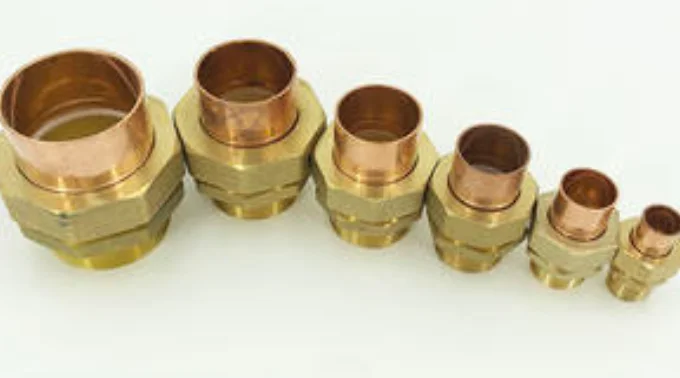
Copper union fittings help join pipes and take them apart again. You do not need to cut or weld. This design makes repairs faster and gives systems more room to change. Many fields use them every day.
Defining Copper Union Fittings and Their Industrial Role
These fittings act as joints that come apart. Workers connect two pipe pieces and can remove them later for fixes or swaps. You see them in HVAC lines, home plumbing, cooling units, and factory fluid pipes. Copper fights rust well and moves heat fast. That makes it fit places with big temperature swings or lots of water. In an HVAC setup, for example, copper helps keep energy use steady year after year because it carries heat without much loss.
Material Composition and Manufacturing Standards
Makers often pick C12200 copper for these parts. It welds easy and holds up against rust. Rules like ASTM B88, ISO 9001, and EN 1254 set the mix of metals, strength numbers, and size limits. Good size control keeps seals tight. Tiny errors in threads or flat seats can cause leaks when pressure rises. Top shops use CNC tools to hit very small size targets during each run.
Evaluating Quality Parameters for Copper Union Fittings
Quality checks go past just looking at the part. Teams test sizes, how smooth the surface feels, and how the fitting handles pressure.
Dimensional Accuracy and Tolerance Control
Exact sizes matter a lot for joints that stay dry. Each piece must line up with the pipe ends so pressure stays inside without bending the metal. Shops use CMM tools to measure against the drawings. In tight spots like cooling lines under high pressure, even small size slips can break the seal.
Surface Finish and Corrosion Resistance Testing
The outside finish affects how well parts fit and how long they fight rust. Smooth or treated surfaces cut down on rust while parts sit in storage or run. Labs run salt spray tests or dip tests to copy rough spots like beaches or chemical sites. Makers sometimes add a bit of tin or nickel to boost rust protection and still keep heat flow good.
Key Factors When Sourcing Copper Union Fittings Globally
Buying from other countries brings extra points to watch. These include steady papers, shipping fees, and help after the sale. The same issues show up in many other part supply lines.
Supplier Qualification and Certification Requirements
Good suppliers hold ISO 9001 or ISO 14001 papers. Buyers ask for mill test reports that list the metal mix and conformity sheets. Outside audits help confirm rules are met. The best suppliers run their own gear, cover many standards, keep service spots nearby, and plan for new tools later. This idea works the same when you look at makers of copper parts.
Cost Efficiency Versus Quality Assurance Balance
Price choices often weigh raw copper cost against total value over time. Prices shift with market moves, freight fees, and local plant costs. Still, low unit price alone can hide later bills from bad parts or lost work time. Looking at full ownership cost, including warranty length, how many years the part lasts, and how fast the seller answers, gives a clearer picture of real value.
Regional Insights into Copper Union Fitting Manufacturing Hubs
World supply lines lean on different regions for different skills. Asia makes lots of volume. Europe and North America focus on tight work.
Asia-Pacific as a Strategic Manufacturing Base
China, India, and nearby spots run big plants for these fittings. They have strong export roads and lower labor costs plus easy access to raw copper from local smelters. Buyers still watch batch quality because smaller shops can vary in control. Long ship times from port backups can also push project dates if plans do not allow extra weeks.
Europe and North America’s Focus on Precision Engineering
Plants in Germany, Italy, the United States, and Canada stress exact cuts for hard jobs like plane cooling or hospital gas lines. CNC centers with robot arms cut the same way each time and lower human slips. Green steps are growing too. Many EU makers now melt old copper to meet green rules while keeping metal clean enough for strict parts.
Ensuring Supply Chain Reliability for Copper Union Fittings
Steady flow needs tight checks at each step plus smooth shipping from metal to finished box.
Quality Control Mechanisms Across the Procurement Process
Check points run from the first metal arrival to the last test before packing. Sound wave tests find hidden flaws without breaking the piece. Score cards on suppliers track bad parts over months and push better steps, much like energy gear makers do.
Logistics and Inventory Management Considerations
Matching ship times with factory plans avoids stops during install. Storage rooms for copper parts need steady air moisture because too much damp air can start surface rust that hurts later brazing. Online stock tools that show live numbers help teams see parts across many sites, a habit now common in advanced plants around the world.
Technological Advancements Influencing Copper Union Fitting Production
Machines keep changing old metal shops by cutting waste and making each run more even.
Automation and CNC Machining Innovations
CNC work gives the same size on big lots and cuts hand errors. Robots handle threading or brazing at set torque so seal force stays even. Sensors on the machines gather run data and tweak cut settings on the fly, much like smart plant trends seen in energy system reports.
Sustainable Manufacturing Practices in Copper Processing
Green goals now shape how plants work. Scrap copper from old jobs gets melted again and lowers need for new ore. Cleaner melt methods cut gas output yet keep metal quality high for tight spec fittings. Full life checks help buyers weigh green impact next to money cost before picking a new supplier.
Strategic Approaches to Building Long-Term Partnerships with Suppliers
Long supplier ties rest on open talk, common targets, and early risk plans rather than one-time buys.
Developing Collaborative Supplier Relationships
Clear talk lines build trust so technical issues get fixed fast during a job. Joint work on new metal mixes or seal shapes often brings better results that both sides use for years. Suppliers with local offices usually clear warranty claims quicker, give direct engineer access, and ship spare parts faster. The same setup helps buyers who need steady after-sale care for copper unions.
Risk Mitigation Through Diversified Sourcing Strategies
Using only one source leaves gaps when politics shift or metal runs short. Spreading buys across areas cuts those gaps and keeps price talks open. Spread locations also guard against sudden tax jumps on imports, a step many big buying teams now take when they run wide supply nets.
FAQ
Q1: What are the main international standards governing copper union fittings?
A: Common standards include ASTM B88 for seamless copper pipes used with unions, EN 1254 covering capillary fittings dimensions, and ISO 9001 specifying overall quality management requirements applicable across manufacturing operations.
Q2: How can dimensional accuracy be verified before shipment?
A: Buyers typically request inspection reports using coordinate measuring machines (CMMs) confirming all critical dimensions fall within specified tolerances listed on technical drawings.
Q3: Why does surface finish matter so much in copper fittings?
A: A smooth surface reduces oxidation potential during storage while improving sealing contact between mating surfaces under compression loads, especially important in pressurized systems like refrigeration lines.
Q4: What factors influence global sourcing costs beyond raw material prices?
A: Freight charges, import duties, packaging requirements for corrosion prevention during transit, currency fluctuations, and compliance documentation fees all contribute significantly to total landed cost calculations.
Q5: How does automation improve reliability in fitting production?
A: Automated CNC machining ensures consistent thread pitch alignment across batches while robotics maintain uniform assembly torque levels that prevent leaks once installed under operational pressure conditions.


