Flange bolts explained for standards, grades and installation choices
What flange bolts are and when they help
Flange bolts are externally threaded fasteners with a built-in flange under the head. The flange acts like an integrated washer by increasing the bearing area against the joint surface, so a separate flat washer is not always needed. They are common in automotive, machinery, appliance, sheet metal, bracket and equipment assemblies where repeatable installation speed and controlled bearing contact matter.
A useful specification goes beyond diameter and length. It should identify the thread system, strength grade or property class, flange style, serrated or non-serrated underside, coating, mating nut or tapped hole, and installation method.
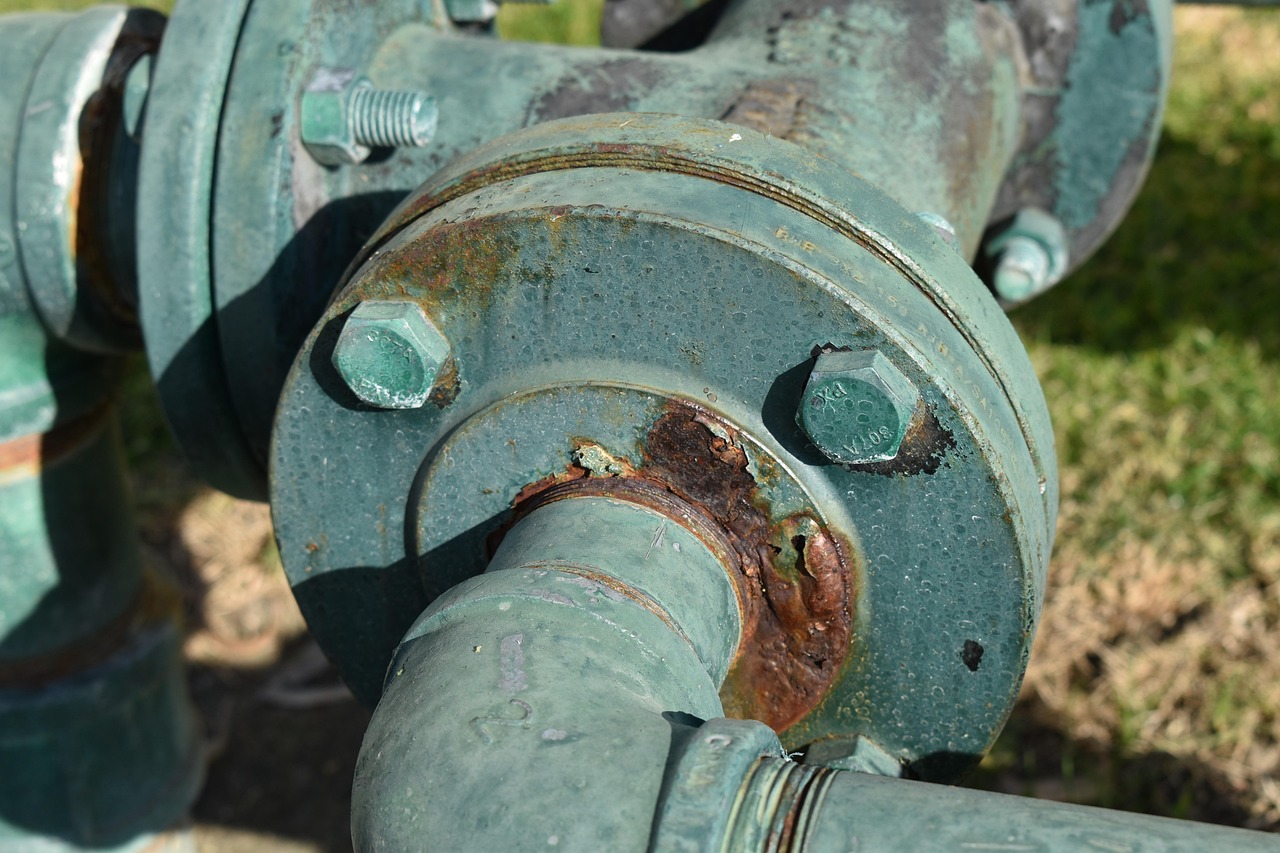
The term can be confusing because standards and catalogs may use related names such as hex flange screw, hexagon bolt with flange, serrated flange bolt, frame bolt or flange screw. In this article, flange bolts refers to the common hex-head fastener with an integral circular flange, not stud bolts used to connect pipe flanges.
How the flange changes joint behavior
The main function of the flange is to provide a broader bearing face under the head. A standard hex bolt concentrates contact under a smaller head bearing area and often needs a washer when the joint material is soft, thin, slotted or painted. A flange head can simplify that stack by combining the head and washer-like surface into one part. In production assembly, this can reduce part count, handling time and washer misplacement.
Load distribution and surface contact
A wider bearing area can help distribute clamp load across the mating surface. That is useful on brackets, stampings and light structural hardware where local indentation under a small head would be undesirable. The flange, however, does not change the basic tensile capacity of the threaded shank. Strength still depends on the material specification, thread engagement, nominal diameter, heat treatment, and the nut or tapped hole used with it.
Serrated and non-serrated underside styles
Flange bolts are commonly supplied with either a smooth underside or a serrated underside. A smooth flange is preferred where surface marking, coating damage or predictable bearing friction is a concern. A serrated flange has teeth under the head that bite into the mating surface and can resist rotation in some service conditions.
The trade-off should not be overlooked. Serrations can damage paint, plating or soft base metal, and they are not a universal substitute for engineered locking features in critical vibration joints.
Standards and names you will see on drawings
Several standards describe flange-head fasteners, and the correct reference depends on whether the drawing uses inch or metric dimensions. Public standards listings identify ASME B18.2.1 as an inch-series dimensional standard that includes hex flange screws. ISO 4162 covers metric small-series hexagon bolts with flanges in sizes from M5 through M16 for selected property classes. IFI-111 is also widely referenced for inch hex flange and indented hex flange screws. Older drawings may call out DIN 6921, which is commonly treated as a legacy metric flange-bolt reference; standards cross-reference material often points buyers toward DIN EN 1665 for the heavy series.
| Reference often seen | Typical context | What to check before substitution |
|---|---|---|
| ASME B18.2.1 | Inch-series bolts and screws, including hex flange screw dimensions | Diameter, thread, head dimensions, flange diameter, length and grade callout |
| IFI-111 | Inch hex flange and indented hex flange screws | Whether the drawing requires serrations, full thread, indented head or a specific grade |
| ISO 4162 | Metric small-series hexagon bolts with flange | Metric size range, product grade, property class and flange geometry |
| DIN 6921 | Legacy metric drawings and catalog descriptions | Whether the project now requires DIN EN 1665 or another metric replacement |
| DIN EN 1665 | Metric heavy-series hexagon bolts with flange | Dimensional differences from older DIN 6921 references, especially head and flange details |
Because standards control dimensions but not every service condition, a drawing should not rely on the phrase flange bolts alone. It should define the fastener standard, size, thread pitch, strength level, finish, underside style, and any inspection or certification requirement. When an old part number or DIN callout appears on a maintenance list, verify the actual dimensions before replacing it with a visually similar bolt.
Choosing material, grade and coating
Strength marking is one of the most important checks. Inch fasteners often use SAE grades, while metric fasteners use property classes. For common SAE hex-head bolts, Grade 5 is typically identified by three radial lines on the head and Grade 8 by six radial lines. Metric carbon steel fasteners usually show the property class as numbers such as 8.8 or 10.9. Stainless fasteners may use designations such as A2-70 or A4-80, depending on the material family and standard.
Strength is not interchangeable across systems
An SAE Grade 5 flange bolt is not the same specification as a metric 8.8 flange bolt, even if a general chart makes the strength range look similar. The thread form, pitch, wrench size, proof load method and dimensional standard can differ. In repair work, mixing inch and metric hardware is a common source of thread damage. In engineered assemblies, substitution should be approved against the drawing, not chosen by appearance.
Coating choices should match the environment
Common finishes include plain steel, zinc plating, zinc flake coatings, black oxide, phosphate and oil, and stainless steel. Zinc-plated flange bolts are often used for indoor or light-duty corrosion resistance. Zinc flake and other engineered coatings may be specified where higher corrosion resistance is required without the same dimensional buildup concerns as some heavier coatings. Stainless steel helps with corrosion resistance, but it may not match the strength of heat-treated alloy steel grades and can be prone to galling if assembled dry under high-friction conditions.
High-strength electroplated fasteners need additional attention because hydrogen embrittlement risk is a recognized issue in fastener coating standards and industry guidance. For high-strength flange bolts, buyers should avoid vague finish descriptions. Specify the coating standard, embrittlement relief requirements when applicable, and whether the coating affects torque-tension assumptions.
Installation details that prevent avoidable failures
A flange bolt can make assembly cleaner, but it does not remove the need for proper joint design. Reliable installation starts with clean mating threads, correct length, full thread engagement and a torque or tension method suited to the joint. Torque values should come from the equipment drawing, manufacturer instructions or an approved engineering table because friction under the flange can vary greatly between plain, lubricated, plated, serrated and coated fasteners. See also: Fittings & Valves.
- Confirm whether the part is inch or metric before assembly.
- Match the nut or tapped hole to the bolt grade, thread pitch and coating.
- Use the specified serrated or non-serrated underside; do not treat them as visually minor alternatives.
- Avoid adding a flat washer under a serrated flange unless the drawing specifically requires it, because the washer can prevent the serrations from engaging the joint surface.
- Check that the flange diameter fits the available bearing area and does not interfere with bends, ribs, slots or weld beads.
- Do not reuse fasteners from critical joints unless the maintenance procedure permits reuse.
- Protect coated surfaces if corrosion resistance depends on an intact paint or plating system.
- For safety-related assemblies, use traceable fasteners that match the specified standard and strength marking.
One practical mistake is assuming that a serrated flange bolt always improves vibration resistance. Serrations can help resist rotation against a compatible surface, but vibration loosening is controlled by clamp load, joint stiffness, embedment, friction, locking method and service movement. In critical machinery or transportation joints, a validated locking strategy may involve prevailing-torque nuts, thread-locking compounds, tension-controlled procedures, direct-tension indicators or other engineered methods.
Where flange bolts make sense and where they do not
Flange bolts make sense when the assembly benefits from a wider bearing face, fewer loose washers and faster installation. Typical uses include vehicle brackets, engine accessories, guards, frames, light fabricated equipment, conveyors, enclosures and production hardware. They are also useful where access is limited and dropping a separate washer would slow assembly.
They are less suitable where the flange cannot seat flat, where the joint requires a hardened washer with a specific hardness, where a slotted hole needs a washer of a defined outside diameter, or where serrations would damage a functional coating. They also should not be substituted for heavy hex structural bolts in steel construction unless the governing structural specification expressly allows it. Structural bolting systems are controlled by separate standards and installation rules, and common flange bolts are usually not a drop-in replacement.
Terminology creates another boundary. In piping, people may say flange bolt when they mean the bolts or studs used to clamp two pipe flanges together. Those fasteners are usually selected from piping flange standards, gasket requirements, pressure class and service temperature. That is a different search intent from hex flange bolts used as general mechanical fasteners.
Specifying or buying flange bolts
A clear specification should be readable without relying on catalog photos. The buyer or engineer should be able to identify the exact fastener from the written callout. For related terminology across fastener families, see the Bolts & Fasteners section.
| Specification item | Example of what to define | Why it matters |
|---|---|---|
| Thread system | 1/2-13 UNC or M10 x 1.5 | Prevents inch and metric mismatch |
| Dimensional standard | ASME, IFI, ISO or DIN EN reference | Controls head, flange and thread dimensions |
| Strength | SAE Grade 5, SAE Grade 8, 8.8, 10.9 or stainless class | Matches load capacity and mating hardware |
| Underside | Serrated or smooth flange | Affects locking behavior, surface damage and torque friction |
| Finish | Zinc plated, zinc flake, phosphate, plain or stainless | Controls corrosion performance and installation friction |
| Length and thread | Full thread or partial thread, grip length and thread length | Ensures clamp load is carried by the intended section |
For maintenance teams, the safest approach is to record the removed fastener before disposal: head marking, diameter, pitch, under-head length, flange diameter, finish color, serration pattern and any manufacturer mark. For procurement teams, avoid replacing a standard callout with only a stock keeping unit unless the part record also preserves the underlying technical requirements.
Frequently asked questions
Are flange bolts stronger than regular hex bolts?
Not automatically. The flange changes the bearing surface under the head, but strength comes from the fastener material, heat treatment, size, thread and grade or property class. A low-grade flange bolt can be weaker than a higher-grade regular hex bolt of the same diameter.
Do flange bolts always remove the need for washers?
No. The integrated flange can replace a washer in many assemblies, but some joints require a separate washer for hardness, slot coverage, bearing diameter, electrical isolation or engineering control. Follow the drawing or equipment procedure.
Are serrated flange bolts reusable?
Reuse depends on the application and maintenance instructions. Serrations can wear, flatten or damage the mating surface during removal. In critical joints, treat replacement as the default unless the service documentation permits reuse and inspection.
What is the difference between a flange bolt and a flange nut?
A flange bolt has the flange under the bolt head. A flange nut has the flange built into the nut. They may be used separately or together depending on the joint design, but their serration direction, bearing surface and locking behavior should be evaluated as part of the complete assembly.
Can I replace DIN 6921 with ISO 4162 or DIN EN 1665?
Not by assumption. DIN 6921 appears on many older metric drawings, while ISO 4162 and DIN EN 1665 refer to different metric flange-bolt series. Before substitution, compare dimensions, flange diameter, wrench size, property class, thread pitch and any project-specific approval rules.


